An Ebola outbreak spreading through eastern Democratic Republic of Congo may be easing in some of its worst-hit areas, but health authorities say the broader crisis remains dangerous, with infections rising rapidly in parts of the country.
World Health Organization Director-General Tedros Adhanom Ghebreyesus said Wednesday that responders were beginning to make progress against the outbreak’s rare strain, the Bundibugyo virus, especially in Ituri province.
- Advertisement -
“We are now starting to see encouraging signs that we are gaining ground. In the most affected parts of Ituri province, transmission is going down,” Tedros told reporters at WHO headquarters in Geneva.
South Kivu province has recorded no new infections since May, he added, suggesting that transmission has been brought under control in some locations.
Still, Tedros warned that the developments should not be mistaken for an end to the wider outbreak.
“Make no mistake, the epidemic continues to grow and continues to kill,” he said.
Health authorities have reported more than 7,200 cases and over 3,500 deaths across seven provinces. The African Union’s cumulative figures are higher, at 7,404 cases and 3,577 deaths.
North Kivu is emerging as a particular concern. Tedros said the number of weekly cases there had almost doubled within two weeks, climbing from roughly 100 to more than 200.
“The area is so vast that it’s hard to speak of a single epidemic. It’s many outbreaks in many places,” Tedros said.
Maria Van Kerkhove, the WHO’s director for epidemic and pandemic management, said recent trends justified limited optimism, but cautioned that it was still too soon to make definitive judgments.
“We can be cautiously optimistic about what is happening, but I think we need to be realistic about the road that’s ahead of us. Looking at trends takes time,” she said.
The Africa Centres for Disease Control and Prevention also called for restraint Thursday, warning that the outbreak remained serious and that available data pointed to weaknesses in infection prevention and control.
Jean Kaseya, the agency’s director-general, said cases had reached a plateau and declined slightly in certain areas, most notably Ituri. However, he said the decrease was neither widespread nor sustained enough to show that infections had peaked.
“And no one can come and say the outbreak is under control. No one,” Kaseya said.
He made the comments one day after Tedros said health workers were beginning to gain ground against the virus.
Congo’s Health Minister Samuel Roger Kamba had previously cited “encouraging signs” after what he called a mid-August peak, saying transmission was gradually slowing. Government spokesman Patrick Muyaya likewise said the peak occurred during the third week of August.
Kaseya said some of those assessments relied on incomplete information. Before confirming that the outbreak had passed its peak, he said, authorities would need to document a sustained drop in infections.
“We saw a decrease in some areas, but we say the situation is still” serious, he said, emphasizing the importance of continued surveillance and response operations.
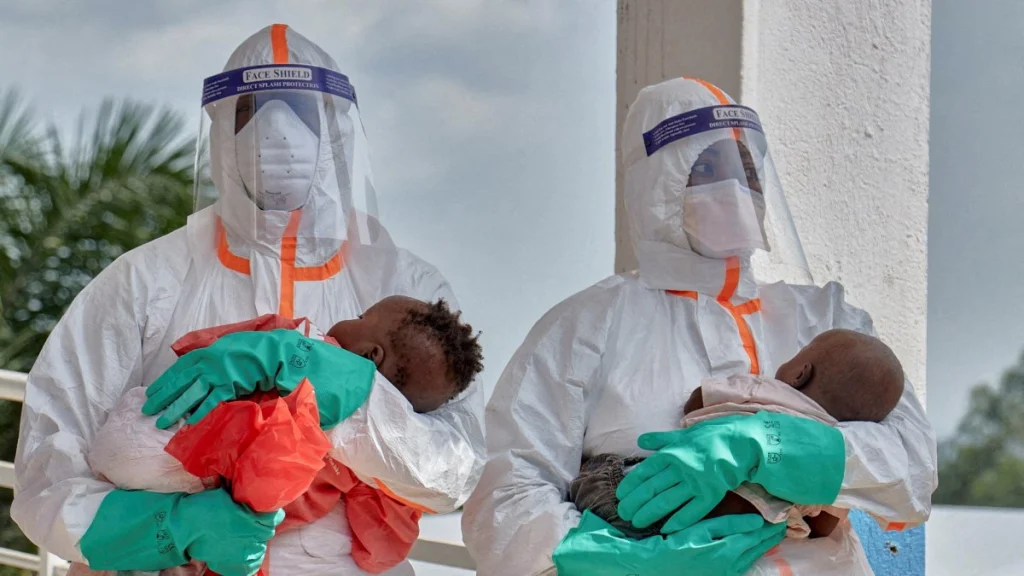
The outbreak started in northeastern Congo before spreading to seven provinces, including regions where conflict and limited access make it difficult for health workers to operate. Its size and geographic reach have further complicated efforts to identify contacts, isolate patients and improve infection-control practices.
Ebola is transmitted through contact with bodily fluids from infected people. It can lead to severe disease, including bleeding, organ failure and death. Over the past five decades, the virus has killed more than 15,000 people in Africa.
The current outbreak involves the Bundibugyo species of Ebola, which has no vaccine or treatment specifically licensed for the strain.