
Türkiye’s growing role as a mediator in Africa is drawing renewed attention on the International Day of Peace, with experts saying Ankara’s combination of diplomacy, humanitarian assistance, development programs and capacity building is contributing to stability efforts across the continent.
Under President Recep Tayyip Erdoğan, Türkiye has built a reputation as a reliable power broker in international affairs. Its engagement with Africa formally expanded when it gained observer status with the African Union (AU) in 2005 and was recognized as a strategic partner of the continent in 2008. Peace and security remain among the principal areas of cooperation in the Türkiye-Africa partnership.
- Advertisement -
Speaking to Anadolu Agency (AA), Dr. Alioune Aboutalib Lo, a researcher at the Africa Coordination and Training Center (AKEM), an Istanbul-based think tank, and Dr. Tarık Nur, a Sudanese academic and faculty member at Bilecik Şeyh Edebali University in Türkiye, discussed Ankara’s efforts to support peace and stability in Africa.
Lo said mediation and peace promotion had become central elements of Türkiye’s Africa policy over the past two decades. Ankara, he noted, has taken part in peace and diplomatic initiatives at both the multilateral and bilateral levels.
Türkiye’s engagement with the continent accelerated significantly after Ankara designated 2005 as the “Year of Africa.”
Since then, Türkiye has sought to distinguish itself from Africa’s former colonial powers by emphasizing cooperation built on “equal partnership and a win-win principle.” Erdoğan has visited African countries more than 50 times over the past 20 years, both as prime minister and president.
Lo pointed to Türkiye’s contributions to peace efforts in Sierra Leone through initiatives conducted under the framework of the United Nations (U.N.), as well as its involvement in the U.N. Multidimensional Integrated Stabilization Mission in the Central African Republic (MINUSCA) and the U.N. Organization Stabilization Mission in the Democratic Republic of the Congo (MONUSCO).
At the bilateral level, he said, Ankara has relied on diplomacy to bring opposing parties closer and create opportunities for dialogue.
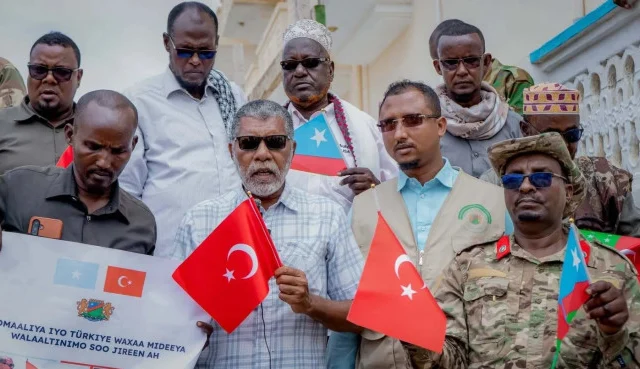
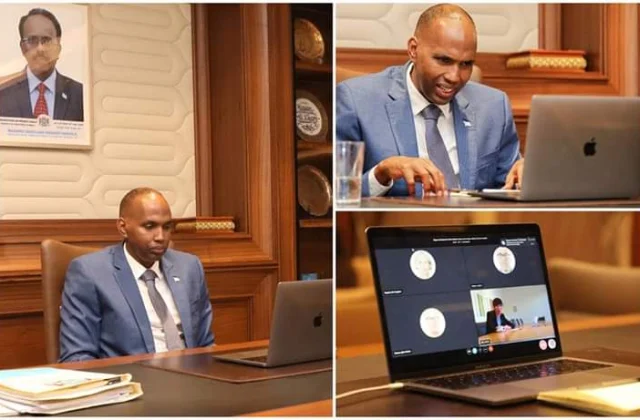
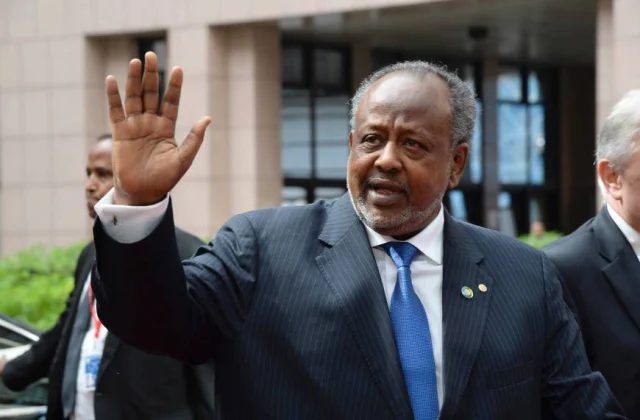
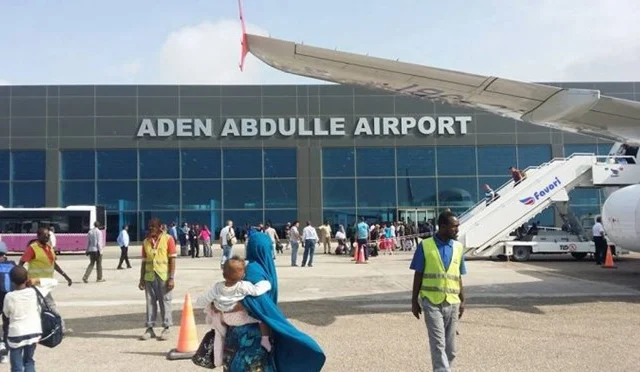
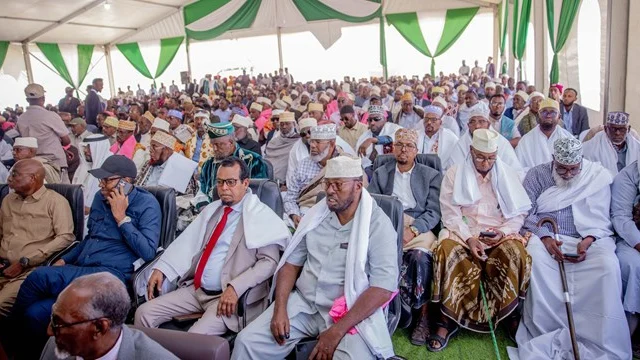
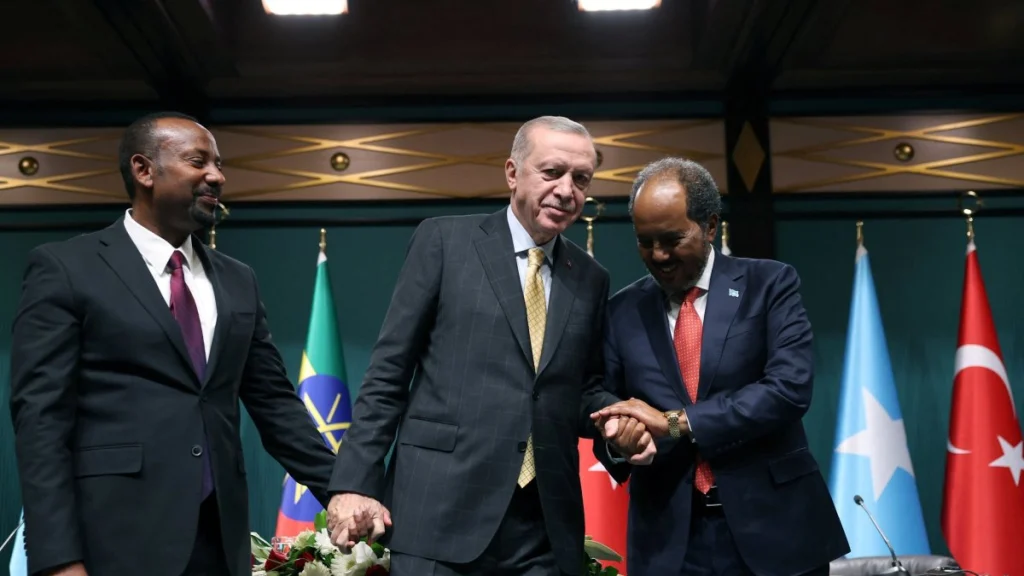
The Ankara Process between Somalia and Ethiopia stands among the clearest examples of that approach, Lo said. Türkiye has also helped facilitate talks between Somalia and North Western State of Somalia, engaged with the Libya issue and pursued diplomatic initiatives related to the dispute between Ethiopia and Egypt over Nile waters.
Türkiye’s long-standing ties with African countries have allowed it to maintain contact with multiple sides in regional disputes, Lo said.
“Türkiye’s advantage is that it can talk to all parties involved in a conflict,” he said.
Those expanded bilateral relations have placed Ankara in a position to open channels between rival actors, making mediation an increasingly important instrument of its foreign policy, Lo added.
In the Somalia-Ethiopia dispute, he said, Türkiye’s political, diplomatic and economic relationships with both countries helped bring the parties together in Ankara.
Negotiations launched with Türkiye’s facilitation in July 2024 led to the Ankara Declaration, which was adopted on Dec. 11, 2024, under Erdoğan’s auspices. In the declaration, Somalia and Ethiopia reaffirmed their commitment to respecting one another’s sovereignty, unity, independence and territorial integrity.
Turning to West Africa and the Sahel, Lo said the region’s peace and security environment was becoming more complicated, with terrorism remaining one of the principal threats confronting countries there.
Türkiye’s relations with states in the region have deepened in recent years, he said, extending beyond West African countries to members of the Alliance of Sahel States (AES).
Ankara’s engagement also includes the security field, Lo said. Some Sahel countries are using products from Türkiye’s defense industry to strengthen their counterterrorism capabilities, he added.
Nur said Türkiye’s peace efforts in Africa should not be viewed only through the narrow framework of conventional mediation. Diplomacy, development cooperation, humanitarian assistance, education and institutional capacity building, he said, are all part of a long-term approach to peace.
Somalia offers one of the strongest examples of Türkiye’s multidimensional engagement, Nur said, adding that the Ankara Process also showed Ankara’s ability to facilitate direct negotiations.
“It would be more accurate to view Türkiye’s role in Africa as a facilitation model that helps parties develop their own solutions, rather than producing a solution on behalf of one side,” Nur said.
Addressing the war in Sudan, Nur said Türkiye could help create diplomatic space, deliver humanitarian assistance and support an inclusive political process acceptable to Sudanese parties.
Closer coordination between Türkiye and the AU, the Intergovernmental Authority on Development (IGAD), the U.N. and Sudan’s neighboring countries could make those efforts more effective, he said.
“Peace should not be viewed as being limited to a cease-fire,” Nur said.
He emphasized that sustainable peace in Sudan would also depend on restoring state institutions and rebuilding universities, schools and health infrastructure after the conflict.
Türkiye could further expand its coordination with Africa’s own peace mechanisms, Nur said. In the coming period, he added, Ankara could contribute to peace processes through post-conflict reconstruction and human resource development.