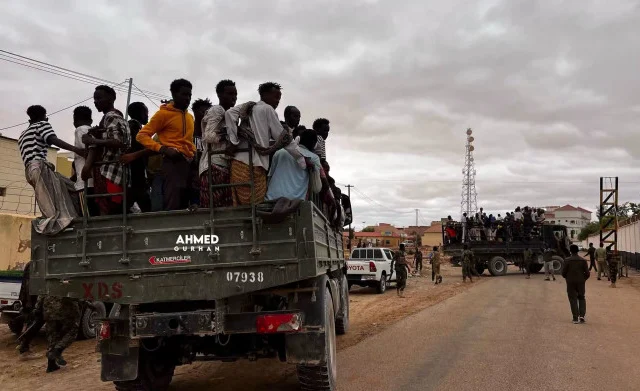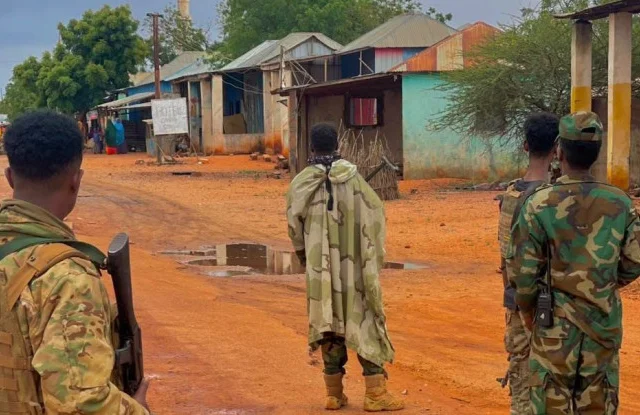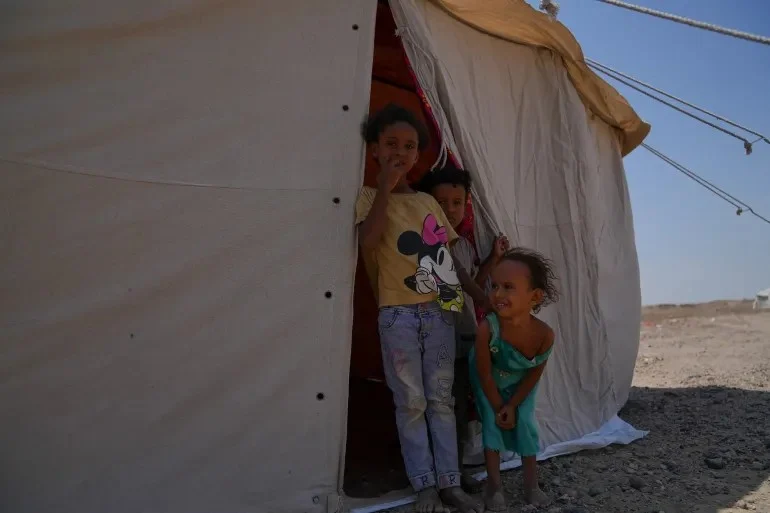
ADEN, Yemen — A sharp new surge of fighting across Yemen has uprooted more than 104,000 people in just two weeks, among them more than 57,000 children, as renewed violence cuts families off from classrooms, health care and other critical support, UNICEF said.
The latest escalation has swept through western Taiz, southern Hudaydah, Marib and other areas, driving families from their homes and straining host communities already battered by one of the world’s longest-running humanitarian emergencies.
- Advertisement -
Since September 3, at least nine children have reportedly been killed and 12 others wounded, UNICEF said. Three more children are reported missing after an attack on a road connecting Yemen’s western coast with Aden.
Essential services have been hit hard. According to UNICEF, operations have been interrupted at 26 health facilities it supports, and 243 schools have closed or halted lessons, leaving more than 137,000 students affected.
The UN children’s agency said it is scaling up emergency operations to support as many as 231,000 people caught up in the latest wave of violence.
In Taiz, UNICEF has helped health facilities and delivered hygiene items and water tanks, while further water and sanitation support has been sent to Marib. Nine mobile health and nutrition teams have been redirected to displacement sites and affected communities in Aden, Marib and Taiz.
Emergency water, sanitation and hygiene efforts are set to provide safe drinking water, hygiene supplies and urgent repairs to damaged infrastructure for more than 200,000 people.
UNICEF said child-protection teams are offering psychosocial support and case management, prioritizing unaccompanied and separated children. The teams are also engaging communities on the dangers of explosive remnants of war.
“Children in Yemen were already living through one of the world’s most severe humanitarian crises,” said Edouard Beigbeder, UNICEF Regional Director for the Middle East and North Africa. Many families, he said, have fled carrying almost nothing, while the renewed fighting is eroding the fragile stability available to children who have endured years of conflict, hunger and disrupted schooling.
The fallout is not confined to Yemen. UNICEF said more than 2,000 people, including children, have arrived in Djibouti after crossing the Bab el-Mandeb Strait, a dangerous journey marked by extreme heat, dehydration and protection concerns.
UNICEF is coordinating with authorities in Djibouti to deliver clean water, sanitation and hygiene support to newly arrived families, along with child-protection services and referrals for children identified as especially vulnerable.
Even before the recent escalation, Yemen’s humanitarian needs were acute. UNICEF estimates that 12.2 million children need humanitarian assistance, and more than 2.2 million children under age five are acutely malnourished. More than 515,000 of them are suffering from severe acute malnutrition.
The agency further estimates that 3.2 million school-aged children are out of school, while about 17.8 million people do not have adequate access to health care, water and sanitation services. Only around 60 percent of health facilities are fully functioning.