
Thousands of African migrants are departing South Africa amid a surge of anti-immigration protests, violence, and political pressure preceding a self-imposed June 30 deadline set by activist groups demanding the expulsion of undocumented foreigners.
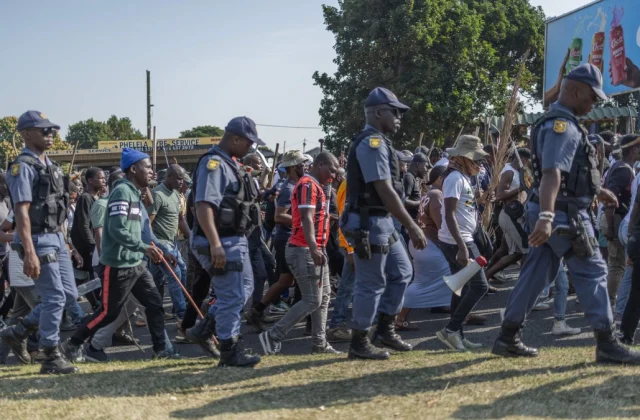
Major cities have become hotspots for anti-immigration groups, which are staging marches and door-to-door campaigns while leveraging online platforms to demand the removal of undocumented migrants. These groups advocate for tighter border controls and mass deportations to tackle issues such as unemployment, crime, and strain on public services.
They have threatened a nationwide shutdown should the government fail to meet the June 30 deadline, prompting heightened police vigilance and security measures across several provinces.
Escalating Violence and Mass Displacement
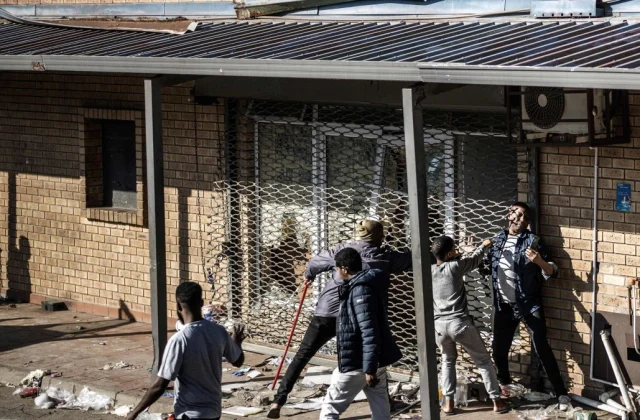
Initially a political movement, the unrest has increasingly turned violent. Authorities are investigating several incidents of anti-migrant attacks, including fatal assaults and arson targeting foreign-owned properties.
In one coastal incident, unrest led to the deaths of two Mozambican nationals and the burning of more than 50 homes in a migrant neighborhood. A Malawian man was also stoned to death during protests, heightening concerns among humanitarian organizations.
These violent episodes have accelerated an exodus, driving thousands from their homes, informal settlements, and jobs, as they seek refuge in temporary shelters or return to their home countries.
Overwhelmed Camps In Durban
Durban hosts the largest concentration of displaced migrants, with thousands of Malawians congregating at makeshift shelters like Sherwood Park, awaiting government-organized or privately sponsored transport.
Conditions at these sites have deteriorated, with overcrowded families enduring cold nights in tents or exposed to the elements. Limited sanitation has led to outbreaks of illness, and aid organizations are struggling to meet the demand for essentials like food, water, and hygiene supplies.
Camp reports reveal long waits for toilets, shortages of clean water, and growing frustration as people wait days for transport over 2,000 kilometers away. The fluctuating camp population has peaked at 10,000, with daily incoming arrivals.
Personal Accounts of Forced Returns
Hasani Amadi, who spent a decade working in Durban, recalls being forced to leave the life he had established due to violence threats. Many migrants share similar stories of abrupt displacement, particularly after landlords allegedly pressured tenants to evict foreign nationals or face attacks.
Another Malawian worker, a tiler for over a decade in South Africa, is leaving with only a single bag after years of work and financial security.
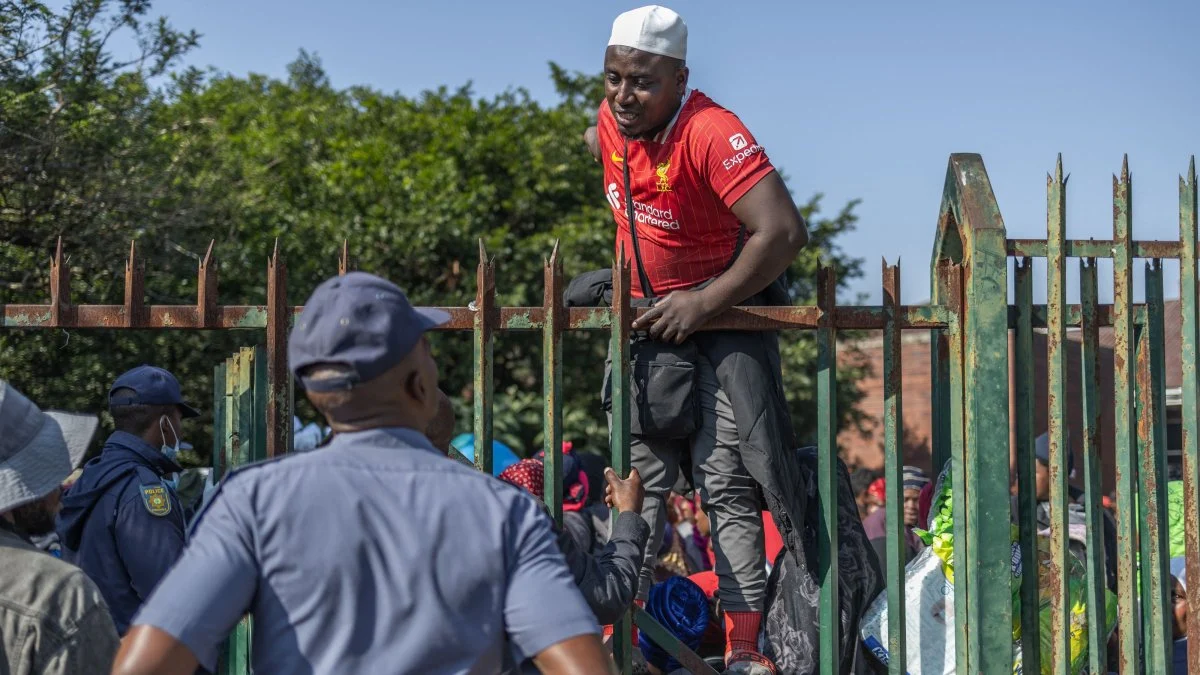
An eight-months-pregnant migrant described chaos and distress at a transit point where police used tear gas and rubber bullets during crowd control. She had completed repatriation paperwork but was yet to secure transport, determined to leave South Africa under current hostile conditions.
Government Response and Political Dynamics
President Cyril Ramaphosa, in a national address, attempted to quell tensions, cautioning against groups using migration as a political tool. He disagreed with assertions linking undocumented migration to economic woes but acknowledged border control shortcomings.
Authorities are closely monitoring protest activities, facilitating voluntary returns, and deporting undocumented migrants.
The United Nations, through Secretary-General Antonio Guterres, has expressed concern about xenophobic attacks, urging for the protection of vulnerable communities.
Regional Impacts and Evacuations
The crisis has prompted diplomatic responses across Africa. Countries like Nigeria, Ghana, Mozambique, and Malawi are organizing evacuations, with nearly 2,000 citizens already flown home and many more returning via road and bus.
Officials from these nations criticize the rising xenophobia, noting their citizens are being targeted in South Africa’s informal settlements and low-income areas.
A Persistent Issue of Xenophobic Violence
For almost two decades, South Africa has witnessed periodic xenophobic violence, notably the 2008 crisis that resulted in over 60 deaths and displaced tens of thousands.
Such incidents often correlate with economic downturns, high unemployment, and competition for low-wage urban jobs. Despite its status as Africa’s most industrialized economy, South Africa’s persistent inequality fuels resentment toward foreign workers visible in informal labor markets.