
For a third straight night, the United States has hit Iran with a new wave of strikes, underscoring how quickly hopes for an end to the war are fading.
“These strikes will continue imposing a heavy cost on Iranian forces and degrade their ability to attack innocent civilians and commercial shipping in the Strait of Hormuz,” US Central Command said in a statement on social media.
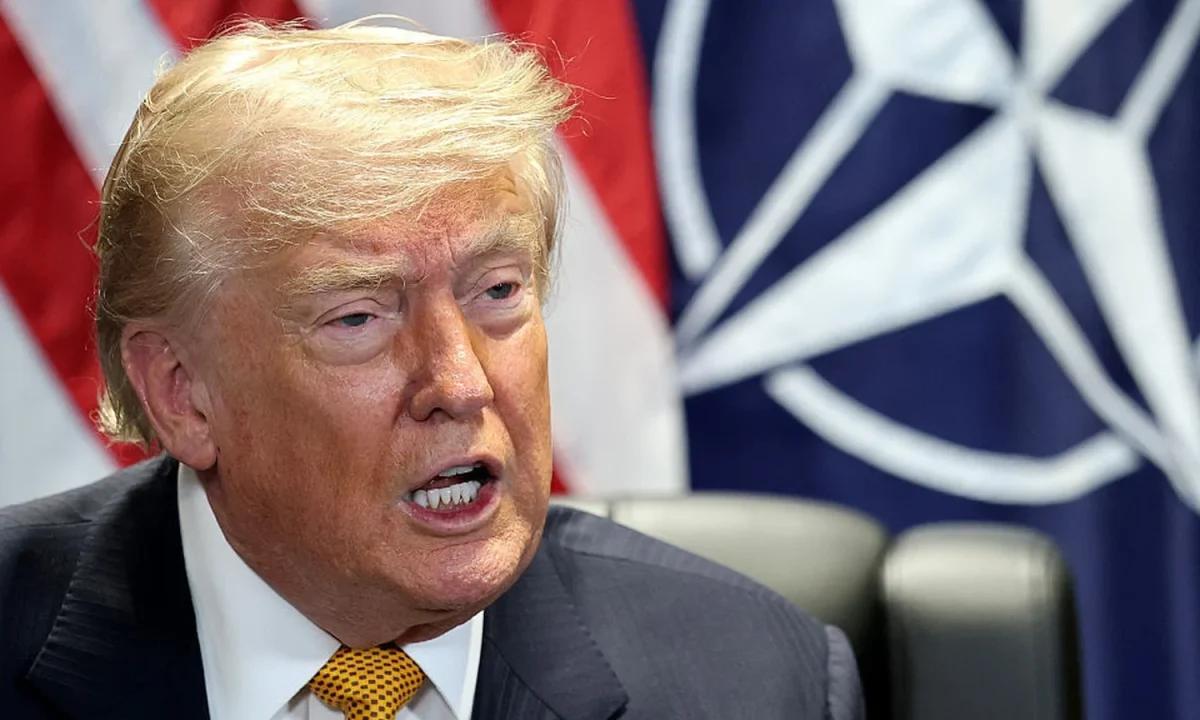
Earlier this evening, US President Donald Trump said the United States was reinstating a naval blockade on Iran and would be reimbursed 20% on all cargo shipped through the Strait of Hormuz after Tehran claimed it had closed the crucial waterway.
“The Hormuz Strait is OPEN, and will remain OPEN, with or without Iran. We are reinstating THE IRANIAN BLOCKADE,” Mr Trump said in a post on Truth Social.
He said the process would begin immediately, but offered no further details.
We need your consent to load this rte-player contentWe use rte-player to manage extra content that can set cookies on your device and collect data about your activity. Please review their details and accept them to load the content.Manage Preferences
Mr Trump previewed the idea earlier in a phone interview on Fox News’ ‘Fox & Friends’ programme, arguing the US would likely assume control of the passage and should be compensated for the role.
“We’re going to keep the strait, and we’ll probably run it,” he said on the programme.
“We’ll become the guardian of the strait. Maybe we’ll call it the guardian angel of the strait. And we should be reimbursed for that.”
The contest over the Strait of Hormuz — a linchpin for global oil supplies — has emerged as one of the conflict’s central flashpoints.
With Iran effectively blocking the route, energy prices have risen and fears of inflation have spread well beyond the region.
“We’re going to be reimbursed, because the other nations are very wealthy. They’re on our side, and we can’t be expected to do that for nothing,” he said.
Vessels at the Strait of Hormuz, viewed from Musandam, Oman
Tehran announced the waterway’s closure on Saturday after what it described as an unauthorised transit, and said yesterday the passage remained suspended, with permits to be issued once “stability and calm” returned.
“We had a deal. It was a done deal, and then they broke it. They always break it. We’ve had 10 deals with these people, and so we’re just going to hit them very hard,” Mr Trump said.
In a statement, Iran’s Revolutionary Guards said restoring normal shipping would require an end to US military interventions in the waterway, warning that “continued interference could lead to greater incidents in the global oil and gas sector”.
US and Iranian forces traded intense missile and drone strikes over the weekend and into today, with Tehran saying it had hit US military facilities across the Gulf while keeping the Strait of Hormuz closed — a combination that sent oil prices higher.
The latest barrage represents a notable escalation in both tempo and geographic reach over the past week, raising questions about an interim US-Iranian agreement signed last month to reopen the strait and pause hostilities while the sides pursued a further 60 days of negotiations.
Mr Trump has said he considers the ceasefire over, even as he has left open the possibility of more talks.
Iran’s top negotiator, Mohammad Baqer Qalibaf, posted on X yesterday: “The era of one-sided deals is OVER. We told you: keep your word or pay the price. Reality is knocking.”
The war launched by the US and Israel against Iran on 28 February has destabilised the Gulf and spilled across the region, with Iran attacking US bases in multiple countries.
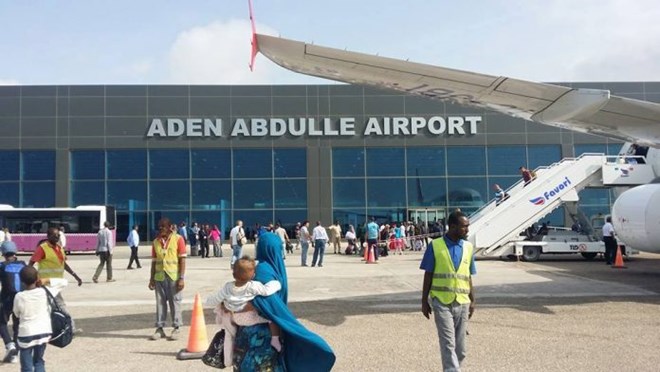
The Iran-aligned Houthi movement that controls northern Yemen accused Saudi Arabia of launching airstrikes against the airport in Sanaa, and vowed to retaliate.
Oil prices jump
The battle for the Strait of Hormuz has increasingly defined the conflict, as Iran’s effective blockade drives up energy costs and amplifies global inflation worries.
Brent crude jumped by more than 3% today amid fears that disruption could intensify along one of the world’s most important energy shipping routes, though prices stayed below the earlier highs seen in the conflict.
After declaring the strait closed on Saturday following what it described as an unauthorised transit, Tehran said yesterday that the suspension remained in force.
Rising energy prices — especially at the petrol pump — carry political risk for Mr Trump ahead of congressional elections in November.
Thousands of people have been killed during the war, mainly in Iran and Lebanon. Iranian state media confirmed the deaths of two people today in Abadan in southwestern Iran.
Iran has not issued an overall death toll for the past week of attacks, but state media reporting and official statements on specific incidents indicate about 20 people have been killed by renewed US strikes.
Iran seeks Oman deal on Strait traffic
Iran’s Revolutionary Guards reiterated that restoring regular shipping through the strait depended on ending US military interventions in the waterway, and repeated its warning that “continued interference could lead to greater incidents in the global oil and gas sector.”
Foreign Ministry spokesperson Esmaeil Baghaei said Iran was seeking to establish a joint mechanism with Oman to manage traffic through the strait, adding that US pressure on Oman had hindered discussions.
Iran has pushed for a permanent permit-and-fee system for vessels using the waterway, which before the war carried about a fifth of global oil and liquefied natural gas shipments.
Read more: Latest Middle East stories
The US, which revoked a licence waiving sanctions on Iranian crude sales last week after earlier attacks on shipping, said its forces were positioned to safeguard freedom of navigation despite what it called “aggression, harassment, threats, and arbitrary declarations” from Iran.
“Iran does not control the strait. Traffic is flowing,” it said.
US officials said around 20 vessels had been escorted through the strait in the previous 24 hours, though ship-tracking data showed little traffic moving.
MarineTraffic said that vessel activity through the strait declined by about 52% over 10-12 July compared to the previous week.