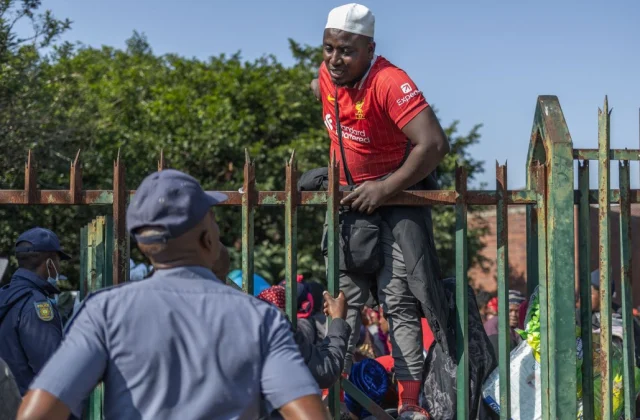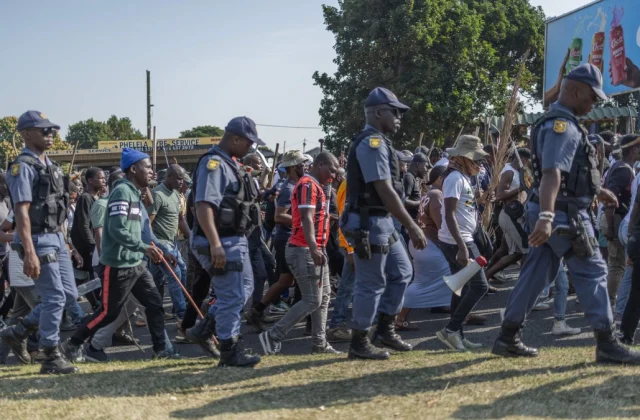
For Helana Wolde, an Ethiopian refugee now living in South Africa, leaving is no longer a viable choice. The 49-year-old father of three remained indoors with his family during recent protests demanding the departure of foreigners from the country. As demonstrations swept the nation, Wolde watched nervously from his home in Durban. Afterward, he cautiously reopened his grocery store, hoping it would withstand the unrest.
His shop survived, unlike many others owned by migrants.
Having fled political persecution in Ethiopia over twenty years ago, Wolde has little to return to. “I have no place, no property, no family,” he explained, noting that family members back home have been imprisoned. Wolde’s story is a familiar one among many migrants who endure hostility despite having nowhere else to go. Reports indicate over 25,000 people left South Africa before the protests, yet countless refugees say they are trapped between uncertain futures.
Businesses Under Siege
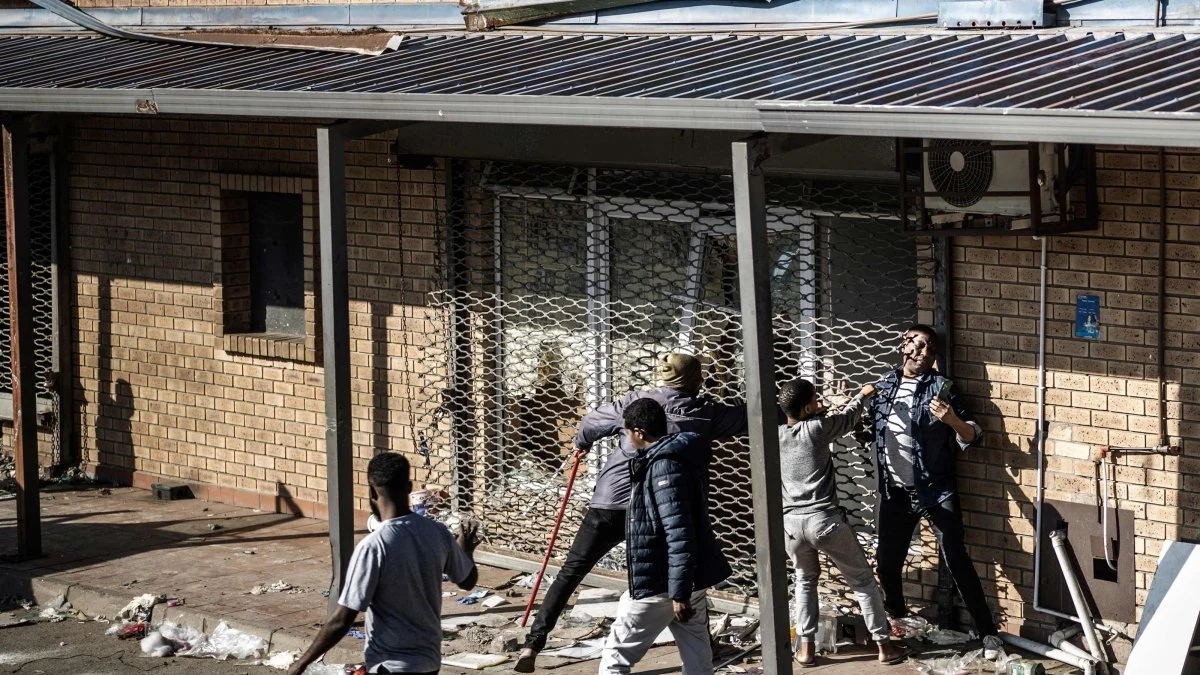
While Tuesday’s protests were mostly peaceful, violence erupted in some areas, with migrant-owned shops being targeted. One victim, Daniel Abide, runs two convenience stores in Clermont township. Looters stripped one shop bare, while the other escaped harm. Having lived in South Africa for a decade, Abide employs a local worker and stresses that migrants create job opportunities rather than take them. “We are starting small businesses here. We are paying rent,” he stated, hoping to rebuild after the destruction.
Somali and Pakistani-owned businesses also faced attacks, with workers racing against time to repair damage, fearing further looting.
Economic Woes Fuel Anger
The anti-immigration sentiment is gaining ground as frustration over unemployment, crime, and poor public services mounts. March and March, the group spearheading the protests, claims to focus on undocumented immigration rather than targeting all foreigners. Jacinta Ngobese, the group’s leader, insists that migrant-run businesses have marginalized local entrepreneurs, declaring during a march, “This economy belongs to our people and it has been hijacked.”
The group demands stricter immigration policies and mass deportations, calling for weekly protests. Despite rejecting xenophobia claims, migrants report frequent harassment regardless of their legal status.
Malawian migrants were seen waiting outside Durban Drive following an ultimatum from anti-foreigner groups. Many face civilian demands for identity documents, though officials maintain only police have the authority to request such documents.
The Plight of Refugees
South Africa is home to over 167,000 refugees and asylum-seekers, according to the United Nations, with approximately 3 million immigrants constituting about 4% of the population. This percentage is lower than in several other African countries, yet public perception wrongly blames migrants for economic issues. Despite evidence refuting these claims, fear remains a constant for refugees.
Wolde carries documents like his refugee permit and tax records to prove his legitimacy. Nevertheless, business has declined as fear keeps customers away. “Now business is no good,” he lamented. He has faced violence before, surviving a 2008 shooting and enduring xenophobic unrest in 2015 and 2021. Still, Wolde remains determined. “I make business here. I don’t know why they’re angry.”
Diplomatic Strains with Ghana
The protests have strained relations between South Africa and Ghana following the death of a Ghanaian migrant. Ghana’s Foreign Ministry reported that Bashiru Isak, aged 40, was killed during protests in Cape Town. In response, South Africa denied allegations of xenophobia, arguing no deaths occurred during the demonstrations.
Mmamoloko Kubayi, South Africa’s Justice Minister, criticized Ghana for spreading misinformation. Chrispin Phiri, Foreign Ministry spokesman, urged careful verification of such accounts, contesting the details provided by Ghana.
Police offer a different narrative, stating a 35-year-old Ghanaian was killed in an attempted extortion at a barbershop. Unidentified gunmen reportedly demanded money before fatally shooting the victim. Disputes remain regarding the incident’s details.