South African authorities are ramping up their security presence nationwide in response to demands from fringe anti-immigration groups for undocumented foreigners to leave by June 30, law enforcement officials announced on Monday.
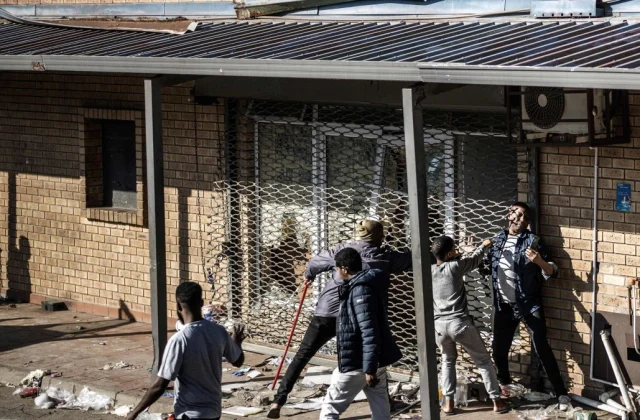
As one of Africa’s largest and most industrialized nations, South Africa is facing heightened tensions following intermittent xenophobic violence that has recently resulted in two fatalities.
Small yet organized factions have threatened undocumented migrants with vague repercussions, although their ultimatum lacks legal standing.
“The South African Police Service has increased its operational readiness across all provinces, implementing extensive deployment plans to safeguard communities, crucial infrastructure, and public spaces,” stated Acting Police Minister Firoz Cachalia.
While affirming the right to peaceful protest, Cachalia warned against any acts of “criminality, intimidation, violence, property destruction, or attempts to undermine public safety.”
Defence Minister Angie Motshekga indicated that the military is prepared to defend strategic locations like airports and will support the police if necessary. “Should the situation demand it—though I sincerely hope it doesn’t—we will offer assistance,” she explained.
South Africa has historically attracted migrant labor but grapples with an unemployment rate exceeding 30% and sporadic outbreaks of anti-foreigner violence, often fueled by perceptions that migrants drive up crime and compete for jobs.
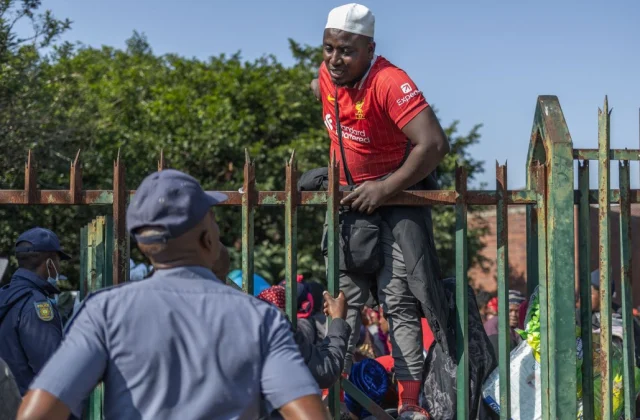
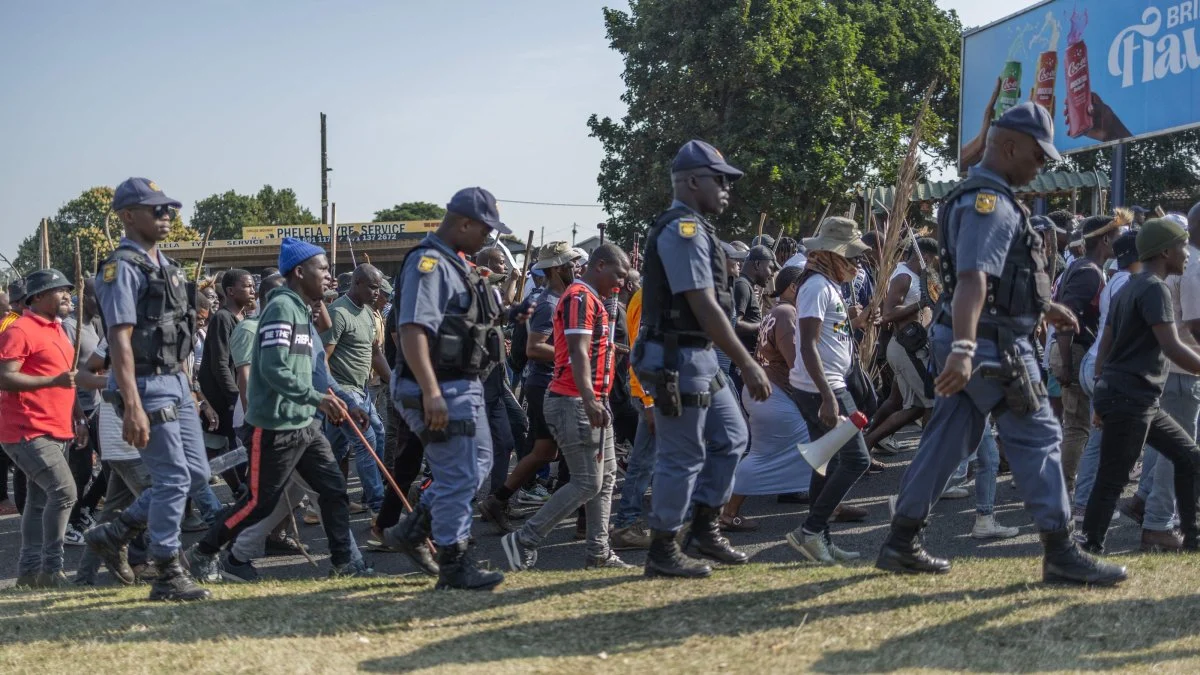
A protester in traditional Zulu attire was noted participating in a demonstration organized by the “March and March” Movement in Durban on June 22, 2026. (AFP Photo)
These tensions echo past violent episodes: in 2008, riots claimed 62 lives, with further surges in 2015 and 2016. The 2019 violence saw armed groups attack foreign-owned businesses in Johannesburg, resulting in 12 deaths, including 10 South Africans.
Present unrest unfolds ahead of local government elections slated for November 4. During recent voter registration, four individuals linked to political parties were fatally shot in separate incidents.
Among the victims were two members of the opposition Umkhonto we Sizwe party, led by former President Jacob Zuma, who governed from 2009 to 2018. Additionally, a Democratic Alliance candidate was targeted in the Western Cape, and an African National Congress councillor was killed in the Eastern Cape.