By David BrunnstromMonday July 27, 2026
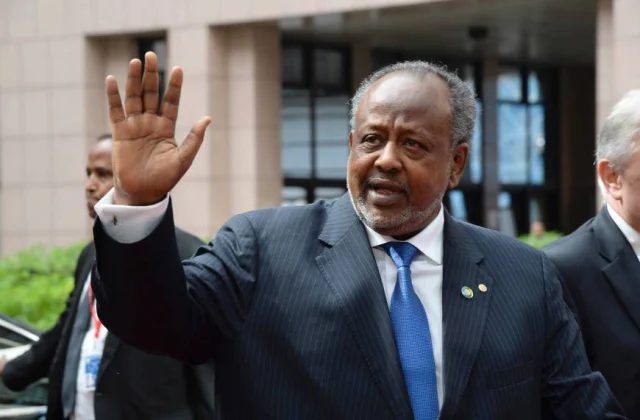
Ugandan diplomat Olara Otunnu has entered the race to lead the United Nations, becoming the seventh candidate seeking to succeed Secretary-General Antonio Guterres when he leaves office at the end of this year.
Uganda formally nominated Otunnu in a letter sent Friday to the presidents of the U.N. General Assembly and Security Council. A former U.N. under-secretary-general, he previously served as special representative for children and armed conflict.
At 75, Otunnu is the oldest candidate currently competing for the post. Guterres has led the organisation for two five-year terms.
The next secretary-general will inherit an organisation grappling with crisis and waning influence, while facing mounting demands to overhaul a costly, unwieldy bureaucracy and eliminate overlapping work among its numerous agencies.
In his vision statement, Otunnu called for continued institutional reform and said efforts to help resolve major international conflicts would receive immediate attention. He also promised to pursue the creation of a body overseeing U.N. work on AI and urged climate action that would not come at the expense of economic development.
SEVEN CANDIDATES NOW IN THE RACE
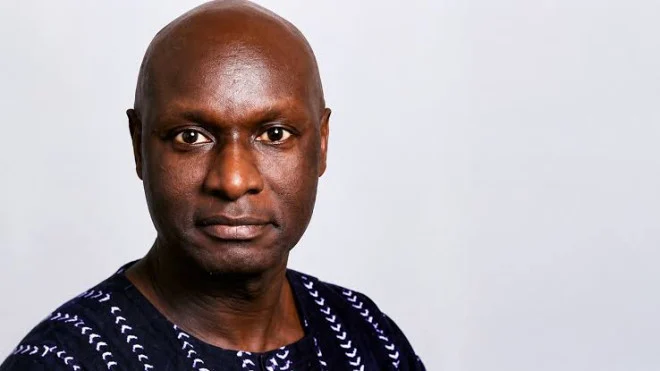
The six other contenders are Rafael Grossi of Argentina, director-general of the U.N.’s International Atomic Energy Agency; former Chilean President Michelle Bachelet; Rebeca Grynspan, a former vice president of Costa Rica; Maria Fernanda Espinosa, a former Ecuadorian foreign affairs and defence minister; Carolyn Rodrigues-Birkett, a former foreign minister of Guyana; and Macky Sall, a former president of Senegal.
The contest is expected to gather momentum this week as the 15-member Security Council begins straw polls intended to narrow the field. Additional candidates may still enter the race.
Diplomats say no clear frontrunner has emerged, though a widely held view suggests it is Latin America’s turn to supply the U.N. leader. There is also support for appointing the first woman to the position.
Experts say victory will depend on avoiding a veto from any of the Security Council’s five permanent members, with China, Russia and the United States seen as particularly important.
Reporting by David Brunnstrom; Editing by Helen Popper