The US military unleashed what it called a “heavy wave of strikes” on Iran, marking a sharp escalation after Tehran targeted American bases in Jordan and ruptured a nearly week-long lull in the Middle East war.
The renewed fighting has pulled the Islamic republic’s regional proxies back into the conflict and dimmed expectations that the adversaries might swiftly return to the negotiating table.
US President Donald Trump had promised to hit Iran “hard” after Iran fired missiles at Jordan, its first strike in the region in several days.
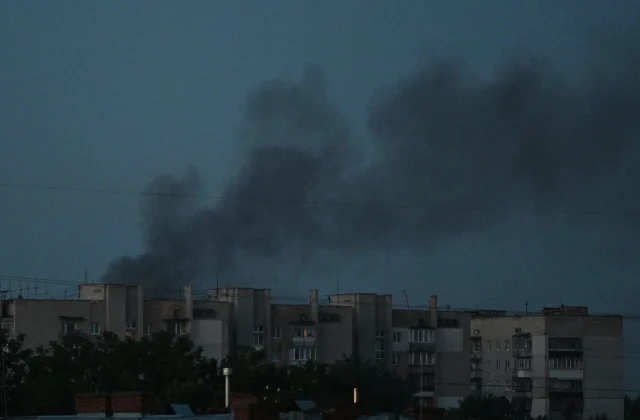
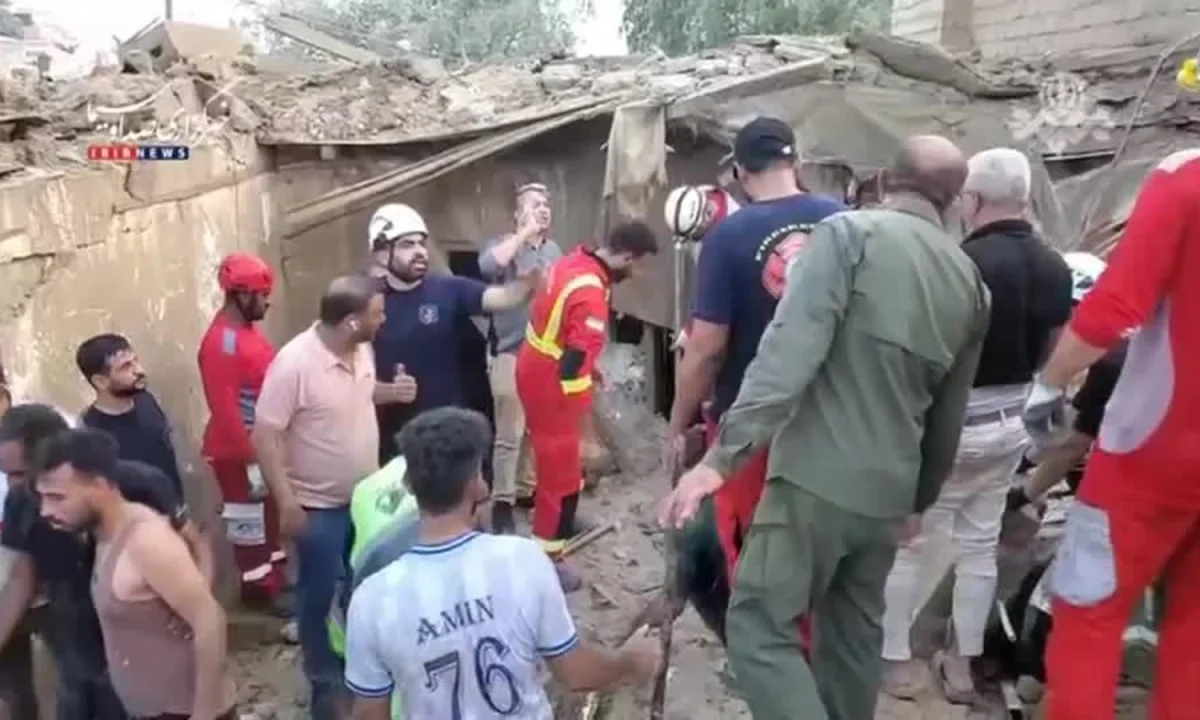
American forces “successfully completed a heavy wave of strikes against Iran”, hitting dozens of Islamic Revolutionary Guard targets, including military command centres, US Central Command (CENTCOM) said.
Strikes hit areas near Abadan, Shadegan, Arvandkenar and Ahvaz, all in Khuzestan, the agency said, citing provincial authorities.
A billboard pledging revenge against US President Donald Trump in central Tehran
As the conflict widened, Saudi Arabia and the United States said Wednesday they had struck militant bases in Iraq, while US ally Israel accused Iran-backed Hezbollah of breaching a truce.
Saudi Arabia, the world’s largest oil exporter, has reported two consecutive days of drone attacks on crude facilities, blaming Iraqi armed groups aligned with Iran.
Jordan’s army said it intercepted five Iranian missiles after Iran’s Revolutionary Guards Corps (IRGC) announced it had targeted US bases in the kingdom.
“As long as the threats against the Islamic Republic of Iran continue … the resistance will continue,” the IRGC said.
On another front, Israel said Hezbollah had launched a drone overnight at an Israeli vehicle inside Lebanon, an episode the military described as “a blatant violation of the ceasefire”.
Israel fought with the United States during the opening weeks of the war against Iran, while also battling Hezbollah in Lebanon, but it has not yet entered the latest round of strikes on the Islamic republic.
Read more:
Latest Middle East stories
In Iraq, the joint US-Saudi air operation came after attacks Riyadh attributed to “terrorist militias loyal to Iran” against its oil facilities.
The US military said the strikes targeted logistics and weapons sites belonging to an Iran-aligned group.
Iraq’s Hashed al-Shaabi alliance said at least 20 of its members were killed in the attacks.
It condemned the strikes as a “dangerous escalation” against an “official security institution”.
Two Hashed officials said five Iranian advisors were among the dead, while AFP correspondents saw coffins covered with Iranian flags.
The Hashed al-Shaabi alliance, also known as the Popular Mobilisation Forces, was formed in 2014 to fight jihadists before being folded into the military.
It includes brigades tied to Iran-backed groups known for taking unilateral action.
Iraq condemned the US-Saudi strikes, saying it rejects “all acts of aggression, regardless of the party responsible or the justifications presented”.
The Ministerial Council for National Security said it would “confront any violation of Iraq’s sovereignty, and prevent any source from using Iraqi territory to threaten neighbouring states”.
According to Fox News, however, President Trump said the strikes were “coordinated with the Iraqi government”.
The attacks come amid mounting US pressure on Iraq to disarm pro-Iran groups. Earlier this month, Prime Minister Ali al-Zaidi travelled to both the US and Iran.
The United States had said the pause in fighting, which lasted several days, was intended to open the way for fresh negotiations, including over the Strait of Hormuz, which Iran has blockaded through much of the war.
Iran’s Revolutionary Guards said Wednesday they had attacked and stopped three tankers in the strait, declaring that Iran has “full control” of the waterway, which had previously been open to transit.
Iran has maintained that it will keep control of the vital route for energy shipments and has also announced plans to charge passage fees, a move Washington opposes.
Crude oil prices eased on Thursday after rising the previous day.
The United States also unveiled new sanctions against entities linked to Iran’s Guards, accusing them of extorting vessels passing through the strait.