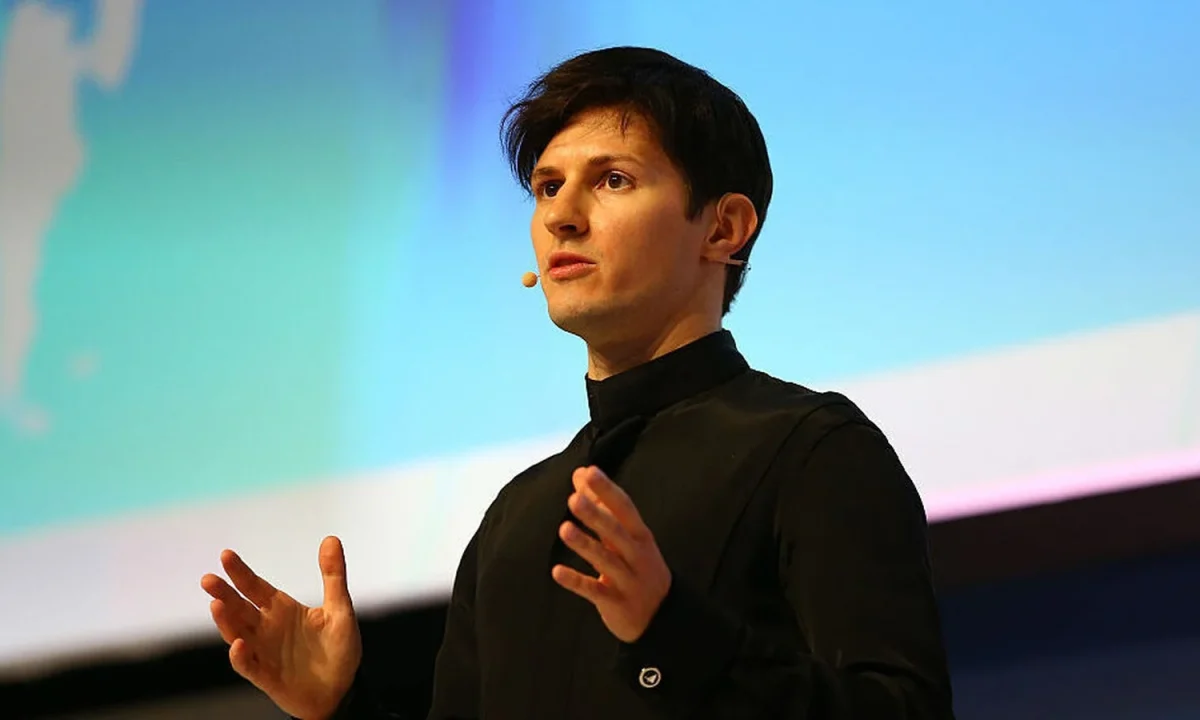
Russia has escalated its long-running confrontation with Pavel Durov, announcing an international wanted notice for the Telegram founder and CEO over allegations of “complicity in terrorism.”
Mr Durov, the Russian-born technology entrepreneur who has spent years living outside his homeland and holds both French and UAE passports, has repeatedly found himself at odds with Moscow as the Kremlin has moved to tighten control over the digital sphere.
Telegram, his encrypted messaging app, remains one of Russia’s most important channels for communication. Authorities have repeatedly tried to block it or curb its reach, part of a broader effort to pressure Durov into handing over user data or to steer Russians toward an unencrypted, state-backed alternative.
The FSB security service said it had begun international search proceedings against Durov, who continues to serve as Telegram’s CEO.
It was not immediately clear what form of wanted notice Russia had issued, or whether foreign governments or international law enforcement agencies would recognize or act on it.
Moscow has often used accusations of “terrorism” or “extremism” against political opponents and other figures it views as hostile.
Russian officials alleged that Telegram had been used as a recruitment tool by Ukrainian security services seeking to pressure Russians into carrying out acts of sabotage, and said Mr Durov had failed to remove “prohibited information.”
Mr Durov, 41, lives in France, where he has also encountered legal scrutiny over claims linked to the spread of illegal content on Telegram.
Born in Saint Petersburg, the home city of Russian President Vladimir Putin, Mr Durov first made his name by founding VKontakte, the social media network widely described as “Russia’s Facebook.”
He was effectively pushed out of that company in the mid 2010s as it came under mounting pressure from Russian authorities, before going on to create Telegram.
The app soon became one of Russia’s most widely used online services and successfully outlasted a years-long attempt by Moscow’s internet regulators to block access inside the country.
Mr Durov did not immediately respond to the FSB’s allegations.
This year, VKontakte — now state-controlled and known as VK — has been promoting the government-backed messenger Max, urging Russians to abandon Telegram and WhatsApp.
Mr Durov has criticised the platform as “a state-controlled app built for surveillance and political censorship.”