
Sudan Conflict: U.N. Investigation Reveals Atrocities in Darfur
An investigative report released by the United Nations on Wednesday exposes a harrowing campaign of mass violence conducted by Sudan’s Rapid Support Forces (RSF). The report details widespread killings, abductions, and sexual violence during their siege of a city, a campaign the U.N. argues amounts to genocide.
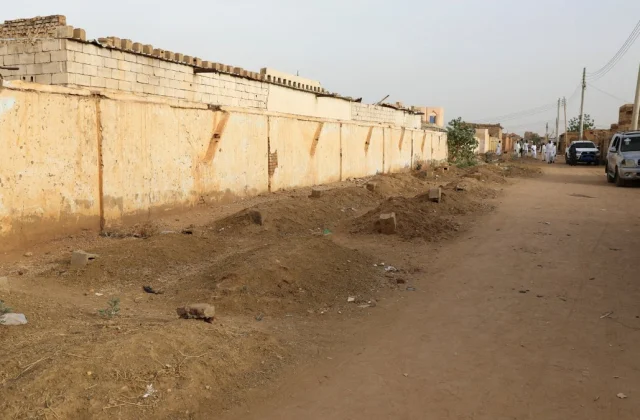
This investigation by the U.N. Fact-Finding Mission for Sudan focuses on events in el-Fasher, North Darfur. Last year, the RSF captured this strategic location after a lengthy blockade, initiating a series of violent acts against the civilian population amid an ongoing civil war with the Sudanese army.
Witnesses recounted the horrific experience of being raped in environments where the bodies of recently murdered civilians, including relatives, remained visible.
The report accuses the RSF and its allies of using starvation as a weapon by enforcing a siege, blocking essential relief efforts, and targeting food resources with shelling.
Despite these findings, the RSF has rebuffed allegations of misconduct, dismissing the accusations as fabrications by adversaries while leveling its own accusations in return.
Alarmingly, the U.N. human rights chief issued a caution on Friday about a similarly dire situation developing in al-Obeid, North Kordofan’s capital. Reports have emerged of summary executions, kidnappings, torture, and sexual violence in the area.
The U.N. human rights council has responded with strong condemnation, launching an urgent investigation into these alleged abuses.
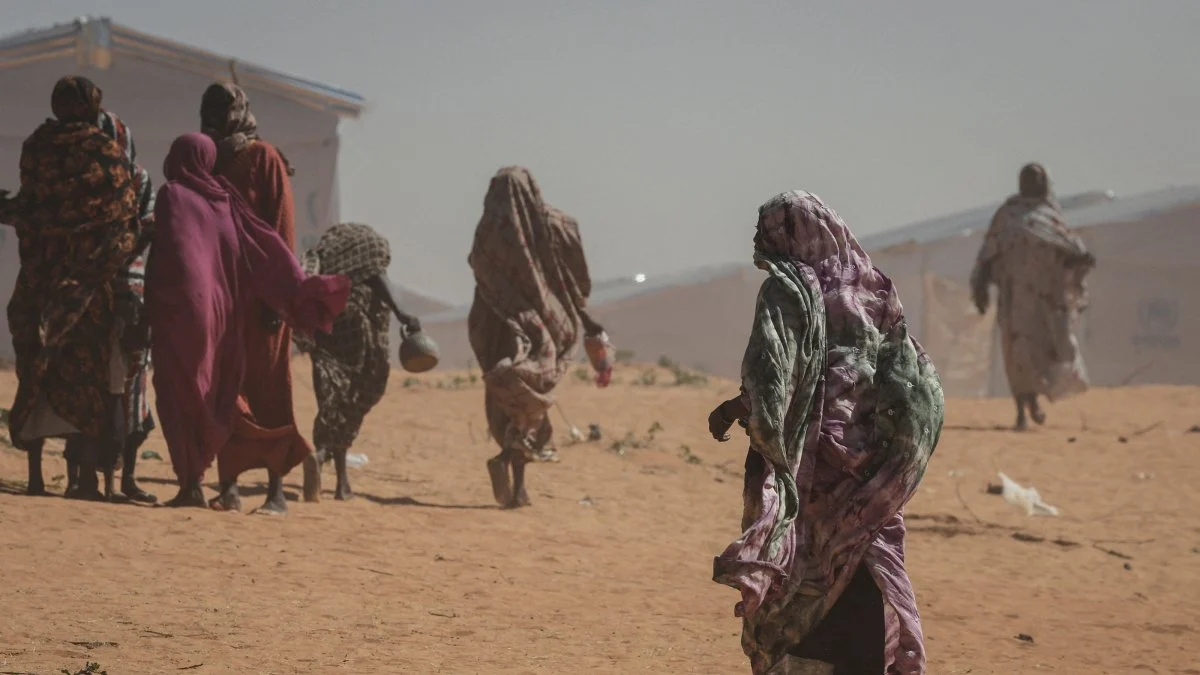
Concerned nations, including Britain, have sounded warnings about potential mass atrocities as RSF forces converge on al-Obeid, which now shelters approximately half a million people, including over 83,000 displaced individuals.
Previously, the fact-finding mission identified signs of genocide during the RSF’s takeover of el-Fasher, particularly targeting non-Arab communities. The latest report provides further evidence linking RSF actions to a systematic policy of violence.
Mohamed Chande Othman, chair of the mission, emphasized the urgent need for international intervention, stating, “The patterns documented in el-Fasher, such as the siege, civilian attacks, and severe human rights abuses, serve as a critical alert.”
He urged, “The global community must learn from these incidents to avert further disasters.”