
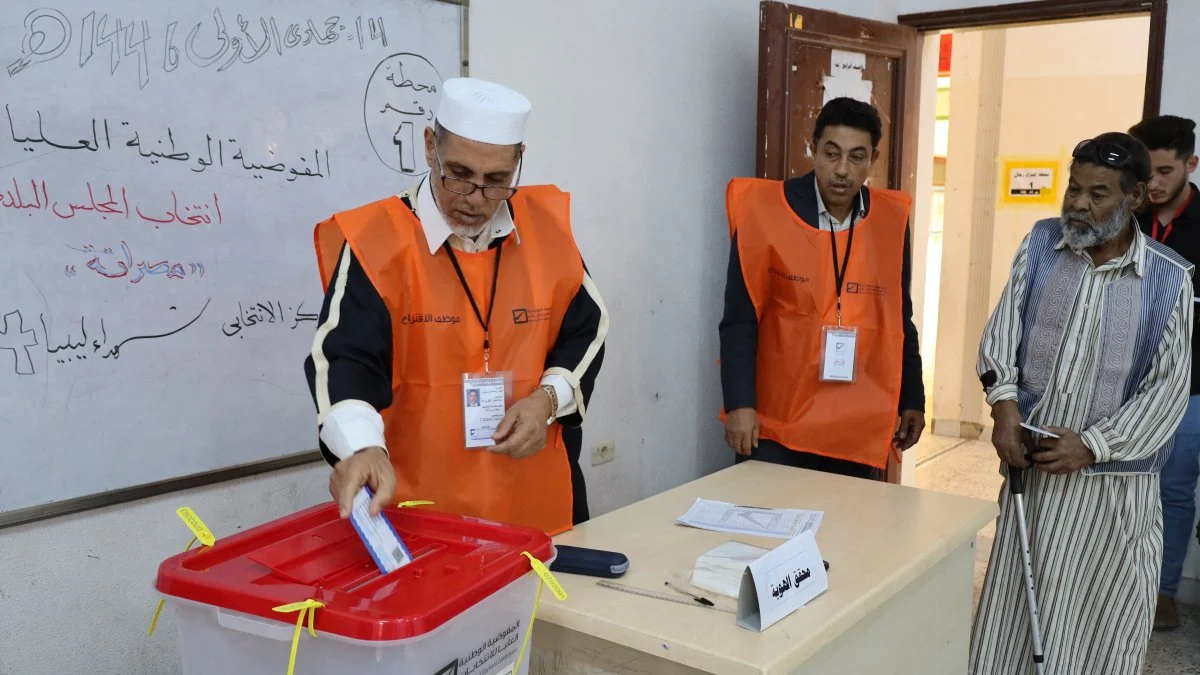
Libyan delegates engaged in U.N.-coordinated negotiations have successfully formulated a presidential election law, representing a crucial advance in overcoming longstanding conflicts and moving forward Libya’s delayed electoral agenda, the United Nations mission announced on Wednesday.
The United Nations Support Mission in Libya (UNSMIL) stated that the fourth series of discussions, conducted at its office in Tunis, proceeded in a “positive and constructive atmosphere.”
The participating members reached a consensus on the presidential election law, expanding upon agreements made in earlier consultations concerning parliamentary election legislation and finalizing the board of commissioners for the High National Elections Commission.
“With this development, the consultations have tackled most of the electoral process issues outlined in the first two milestones of the roadmap and are nearing the finalization of essential understandings regarding the electoral process,” stated UNSMIL.
The representatives also concurred on holding a fifth round of consultations in early July to further discussions and build on the current progress, UNSMIL reported.
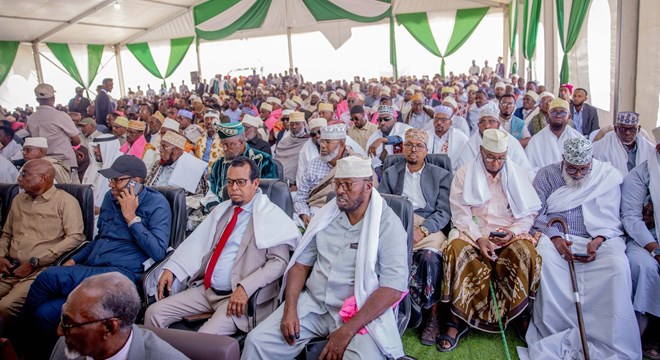
Attendees of the meeting included figures from Libya’s High Council of State, the Tripoli-based administration, the House of Representatives, and those allied with eastern Libyan forces led by Khalifa Haftar.
In an address to the U.N. Security Council on August 21, 2025, U.N. envoy to Libya, Hanna Tetteh, introduced a roadmap aimed at creating a technically robust and politically viable electoral framework for forthcoming presidential and parliamentary elections, and efforts to unify state institutions by forming a cohesive government.
Tetteh initially revealed the “Smaller Convening” initiative on April 22 during a Security Council briefing, indicating its purpose was to break Libya’s political stalemate and enable the execution of the first two roadmap phases.