Brazil’s government summoned senior ministers yesterday to map out a forceful response to the latest US tariffs, with possible measures ranging from restrictions on American audio visual companies to suspending pharmaceutical and agricultural patents, according to three sources.
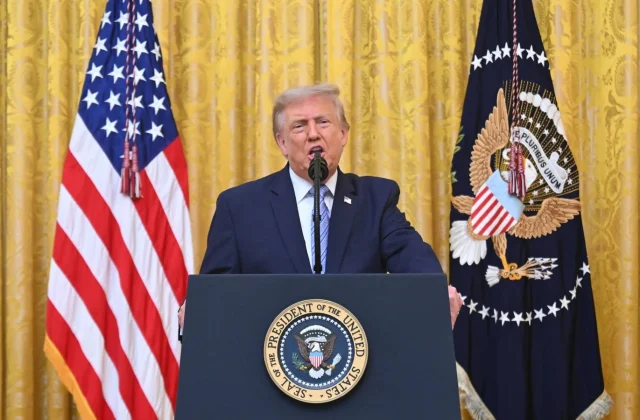
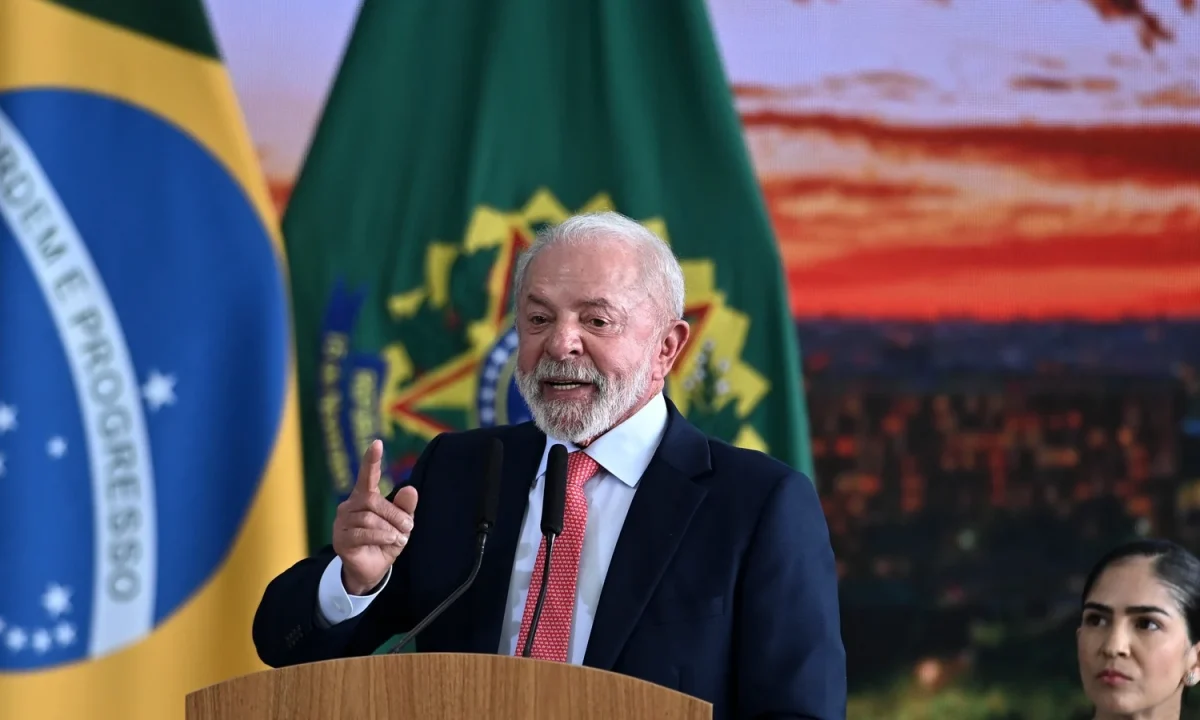
The options align with Brazil’s reciprocity law, which President Luiz Inácio Lula da Silva vowed to invoke after the Trump administration imposed a 25% tariff on many Brazilian products on Wednesday, citing what it described as Brazil’s unfair trade practices.
Rather than placing duties on US imports, the emerging strategy would target American intellectual property rights and audio visual interests. Such an approach could increase pressure on Washington without forcing Brazilian consumers to shoulder higher prices.
“How we proceed from here will depend on the instructions the president gives us, but it is highly unlikely there won’t be a tough response,” one source said.
Officials are also weighing whether to suspend patent protections covering pharmaceutical products and agricultural seeds.
National interest
At a press conference yesterday, Vice President Geraldo Alckmin said Mr Lula would determine when and how to activate Brazil’s reciprocity law, though he offered no details about the measures being considered.
“The law is not retaliatory. There is no retaliation,” Mr Alckmin said, calling it a legitimate legal mechanism established to protect “the national interest, the interests of Brazilians and the Brazilian economy”.
Finance Minister Dario Durigan, speaking alongside Mr Alckmin, said the government separately intends to introduce credit lines and other assistance for affected sectors by early August. The initiative would revive a programme launched last year after the first round of tariffs imposed by US President Donald Trump.
Mr Durigan said the government would probably deploy fewer public resources on this occasion while continuing to honour its fiscal targets.
“We will not bow our heads or bend to foreign interests,” he said.
“That does not mean we will not be open to negotiations. We will remain open to diplomacy and negotiations, whether with the United States or with any other country that treats us with due respect,” he added.
Rationale behind strategy
Officials in Brasília consider measures available under the reciprocity law less disruptive than tariffs on US imports, which could unsettle Brazilian supply chains and add to inflationary pressure at home.
US officials have cautioned that Washington would “review its actions” if Brazil retaliates. That warning has unsettled Brazilian exporters and prompted some businesses to seek markets beyond the United States.
Brazilian shipments to the United States dropped 13% during the first half of the year, while the country’s total exports increased 5.1% over the same period.
In a separate move, Brazil will revive the World Trade Organization case it opened last year over customs duties on electronic transmissions, according to another source familiar with the issue. Resuming the dispute would allow Brasília to move more swiftly toward establishing a dispute settlement panel.
A decision supporting Brazil would reinforce its legal grounds for taking retaliatory action under international trade rules.