Foreign students, cultural exchange visitors and journalists face tighter limits on how long they can remain in the United States under a new Trump administration visa policy.
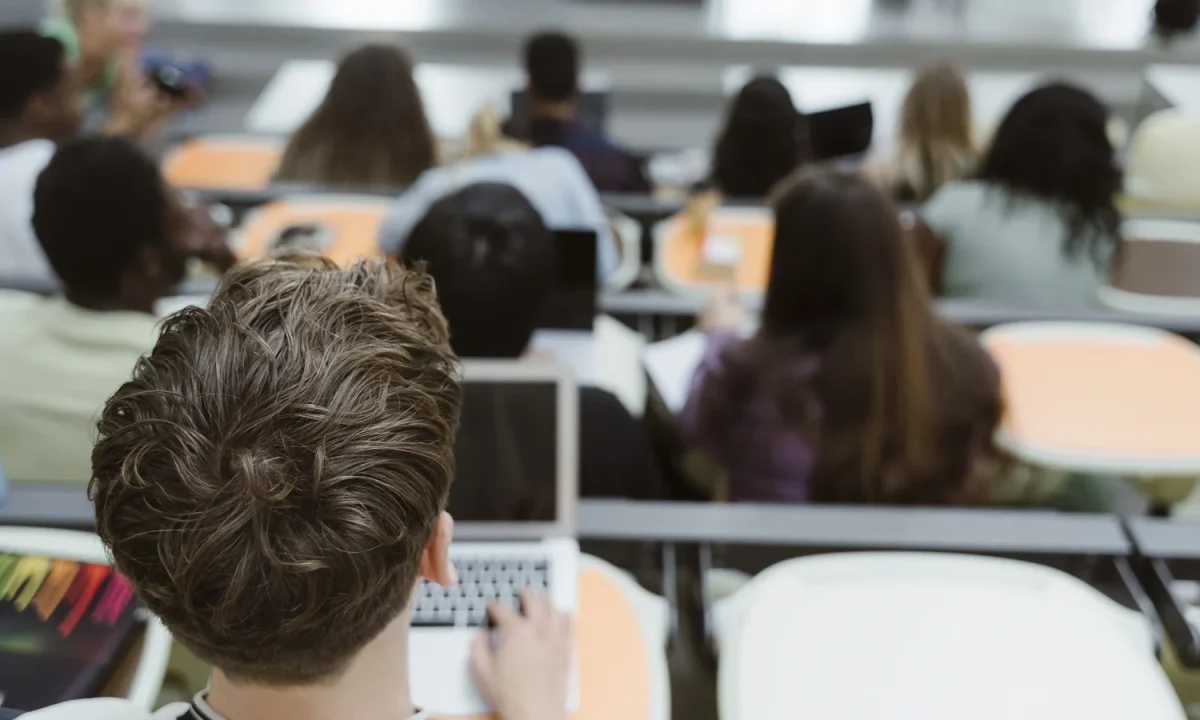
The Department of Homeland Security’s final rule establishes fixed admission periods for F visas held by international students, J visas used by participants in cultural exchange programmes who work in the US, and I visas issued to members of the media.
At present, those visas generally remain valid for the length of the holder’s programme or employment in the US.
About 5,000 Irish students take part in the J1 initiative each summer.
Journalist visas, which can currently remain valid for years, would be limited to 240 days, while Chinese nationals would receive a maximum of 90 days.
The rule is due to take effect 60 days after its publication in the federal register, subject to congressional review.
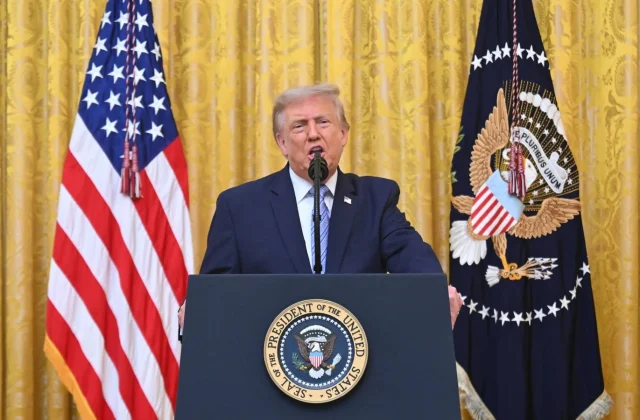
President Donald Trump launched a sweeping immigration crackdown after returning to office in January 2025.
His administration has also intensified scrutiny of legal immigration, revoking student visas and green cards held by university students because of their ideological views and removing legal status from hundreds of thousands of migrants.
Read More: US moves to tighten duration of student visas US Green Card seekers must now apply from home countries Changes to vetting system for US visas excessive – Martin
The latest measure would place additional obstacles before international students, exchange workers and foreign correspondents.
Visa holders would, however, be permitted to seek extensions, the department said.
China’s foreign ministry denounced the US decision as “discriminatory” and called on Washington to immediately abandon the new policy affecting Chinese journalists.
The measure “seriously violates the three-point consensus on media issues reached between China and the US in 2021, and seriously affects the normal work of Chinese media in the US,” ministry spokesperson Lin Jian told a press conference in Beijing.
Mr Lin said China retained the right to respond with reciprocal countermeasures.
The regulations bar graduate students from altering their “educational objectives” at any stage or transferring to another school without authorisation. They also cut from 60 to 30 days the period students have to leave the United States after finishing their degree or training.
“Most Americans understand the value of welcoming international students and getting rid of needless red tape,” said Doug Rand, a former DHS official. “This rule would do the opposite.”
David J Bier, immigration studies director at the Cato Institute, said the new rules restricting study and transfers had no legal foundation.
“International students, many of whom will have spent years in the USA, will now have just 30 days to find an employer to sponsor them or immediately be turned into illegal immigrants. Have these people no understanding of how life works?” he added.
In announcing the measure, the department pointed to a sharp increase in the use of the affected visas. More than 1.8 million student visa admissions were recorded in 2024, it said, representing a rise of more than 11% from the previous year.
The US also issued visas to more than 500,000 exchange visitors and 37,300 media workers during fiscal year 2024, which started on 1 October 2023, according to the department.
The significant growth in the number of such visitors” poses a challenge to DHS’s ability to monitor and oversee these non-immigrants while they are in the United States,” DHS said.
The department said it had identified numerous cases in which students and exchange visitors remained in the country for decades using their visas.
Those seeking to remain in the United States beyond their fixed admission period would have to request an extension from DHS or secure readmission by leaving the country and subsequently re-entering, the department said.