
The United States is preparing to impose what Treasury Secretary Scott Bessent called “the toughest sanctions in history” on Iran, a sweeping economic campaign he said could reduce the need for further large-scale military action against Tehran.
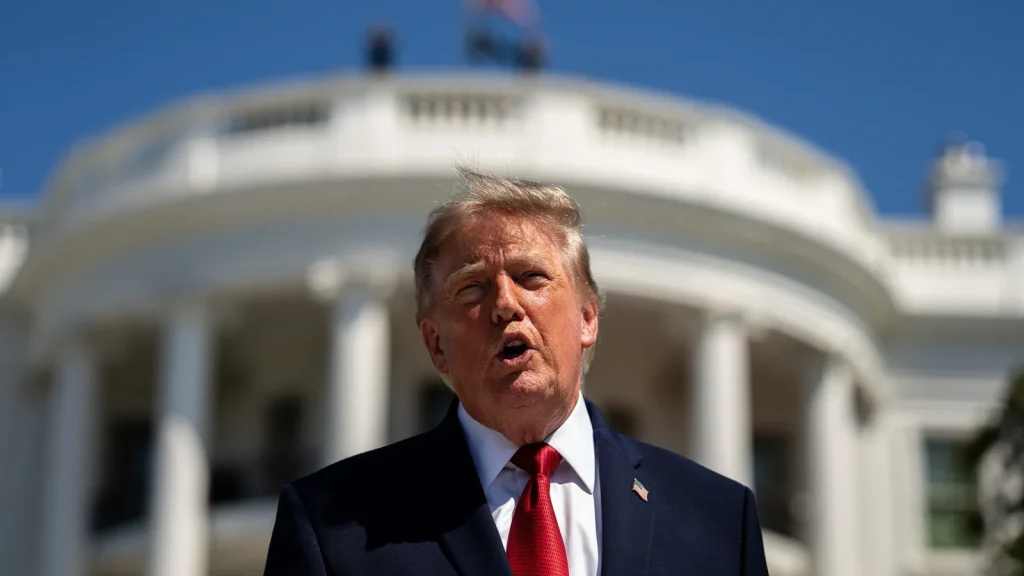
His warning came a day after President Donald Trump threatened “Economic Warfare” and said any country offering Iran “any type of lifeline” would face severe economic penalties.
- Advertisement -
Oil prices climbed to a more than three-week high after the US threats, which are intended to pressure Iran to end a war that has lasted nearly six months and disrupted millions of barrels of Middle Eastern oil.
“I’m not sure why oil has popped up on this,” Mr Bessent told CNBC.
pic.twitter.com/FSYX32KR8d
— The White House (@WhiteHouse) August 19, 2026
Iran calls US sanctions ‘economic terrorism’
Thousands of people have been killed in the conflict, which has drawn Gulf nations into the crisis and rattled global markets. Iran has also demonstrated its ability to restrict shipping through the Strait of Hormuz, a vital waterway that carried about a fifth of all traded oil before February.
The US and Iran have announced ceasefire agreements twice, in April and June, with both deals intended to restore the movement of commercial vessels through Hormuz and create a route toward ending the conflict. Neither agreement held for long.
Before Mr Bessent’s remarks, Iran’s foreign ministry denounced the proposed US economic and trade sanctions as “economic terrorism”, saying they would harm ordinary Iranians and constitute crimes against humanity.
Mr Bessent said he would provide further details at a press conference on Monday and explain “exactly what we’re going to do” regarding Iran.
“It is a one-two punch. We have the blockade (on Iran), and we are going to have the toughest sanctions in history,” he said, referring to a US naval blockade imposed in April and suspended for a month in mid-June.
“It is going to work in Iran and we are going to collapse this regime. It is time for our allies and the rest of the world to make a decision,” he said.
US Treasury Secretary Scott Bessent described the sanctions as the ‘toughest in history’
Asked whether Washington could punish China for continuing to do business with Iran, Mr Bessent suggested that some discussions were better conducted away from the public eye.
“Keep in mind that the Chinese get 50% (of their) energy from inside from the Gulf. So it would do them a big service to get with the programme,” he said.
China purchases more than 80% of Iran’s exported oil, according to 2025 data from analytics firm Kpler. But expanding an economic confrontation with Beijing — a major US trading partner and supplier of vital rare-earth minerals — could invite retaliation against Washington.
In a social media post yesterday, Mr Trump pledged “Economic Warfare and Isolation on an unprecedented scale”, but offered few details about what the policy would involve.
After war broke out between the US and Iran in February, Tehran effectively shut the Strait of Hormuz
Iran has endured almost uninterrupted and punishing economic sanctions for nearly 50 years, dating back to the Islamic Revolution of 1979.
“ANY country that allows its financial institutions, businesses, airports, or government entities to provide any type of lifeline to Iran will itself face TREMENDOUS Economic Consequences,” Mr Trump wrote.
Iranian Foreign Minister Abbas Araqchi accused Mr Trump of trying to divert attention from financial pressures at home, including record debt and rising interest rates.
He said Washington’s continued reliance on policies he described as failures would produce more failures and push Iranians further away.
“America’s economic terrorism threatens the global economy and the national sovereignty of countries around the world,” he said on X.
Mr Trump has not yet secured the objectives he announced at the beginning of the war: dismantling Iran’s nuclear programme, limiting its ability to strike regional rivals and creating conditions for Iranians to remove their clerical rulers.
Statements and threats issued by Mr Trump on social media have not always been carried out exactly as written.
He did not outline specific measures or identify any country by name, although the warning appeared broad enough to include US allies involved in mediating peace negotiations.
Iran’s Parliament Speaker Mohammad Bagher Ghalibaf meeting Iraq’s Prime Minister Ali al-Zaidi
Separately, Iran has been negotiating with Oman over arrangements for managing the Strait of Hormuz and has repeatedly said in recent weeks that an agreement was close.
Mr Trump responded to those talks on Monday by threatening that he might bomb the Gulf state, a longstanding US security partner, if it “gets in the way”.
Omani Foreign Minister Badr Albusaidi, speaking after talks with his Japanese counterpart, said lasting security in the strait depended on permanent peace across the region and rejected any further escalation.
We need your consent to load this rte-player contentWe use rte-player to manage extra content that can set cookies on your device and collect data about your activity. Please review their details and accept them to load the content.Manage Preferences
Latest Middle East stories