
Ukraine will bring its most important European supporters together today as Russian strikes drive civilian deaths to their highest level since the opening months of the invasion, with Kyiv seeking more air-defence equipment and tougher action against Moscow.
The Coalition of the Willing meeting will be co-chaired by the leaders of Britain, France and Germany.
- Advertisement -
UK Prime Minister Andy Burnham is due in Kyiv for his first overseas visit since taking office, while several other leaders are expected to take part remotely.
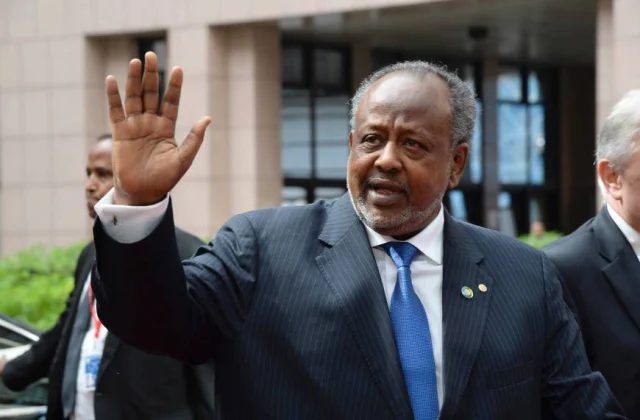
EU Council President Antonio Costa is also scheduled to attend the talks, held as the war enters another deadly phase.
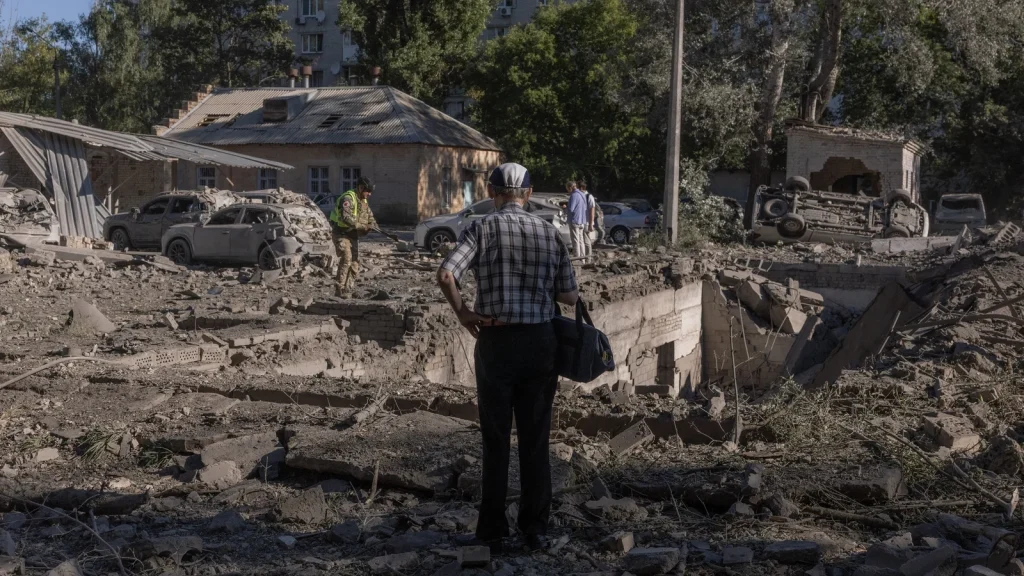
The latest wave of Russian attacks has pushed the number of civilian deaths to its highest point since the first months of Russia’s 2022 invasion.
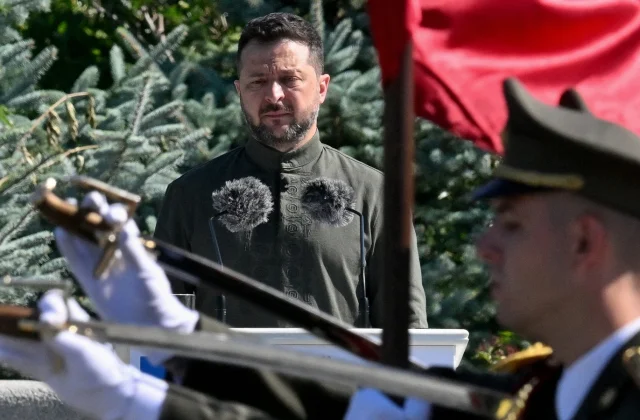
Volodymyr Zelensky said Russia could produce around 100 ballistic missiles a month
After nearly every assault, tens of thousands of people crowd into Kyiv’s metro system while many others retreat to basements and shelters across the city. Ukraine’s President Volodymyr Zelensky has repeatedly used the aftermath of those attacks to make public appeals for additional air-defence support.
At the same time, Ukraine has intensified its campaign against Russian logistics infrastructure, striking several warehouses operated by e-commerce giant Ozon ahead of the meeting.
Ozon said fires broke out early this morning at its warehouses in Krasnodar and Makhachkala, both in southern Russia. The company added that facilities in Adygeysk and Nevinnomyssk had been evacuated because of warnings of a possible drone attack.
Russian officials separately said falling debris from a Ukrainian drone strike killed two children and injured nine other people.
UK, French support
Andy Burnham will be in Kyiv for his first international trip since taking office
Ukraine is marking its independence day today, a date that also falls exactly four-and-a-half years after Russia launched its invasion on 24 February, 2022.
“Russia should be in no doubt of our resolve,” Mr Burnham said in a statement before travelling to Kyiv. “We will not back down until there is a just and lasting peace.”
Efforts to negotiate an end to Europe’s largest conflict since World War II remain effectively frozen.
Moscow is seeking sweeping territorial and political concessions, but Kyiv has rejected those demands as a capitulation that would leave the door open to another Russian assault.
Mr Burnham is expected to announce that the British government has authorised defence contractor MBDA to share classified information required to help Ukraine and France establish domestic production of the long-range SCALP missile.
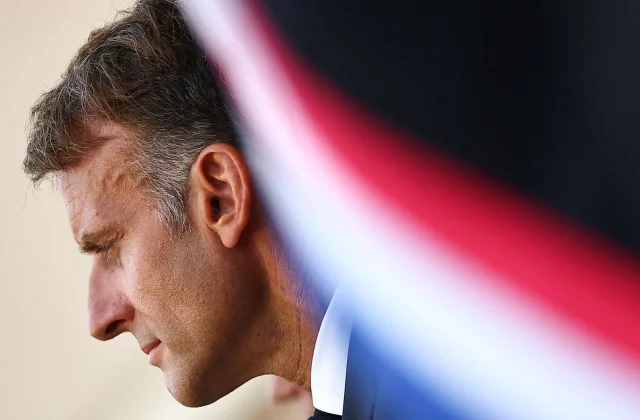
French President Emmanuel Macron pledged on Saturday that Paris would provide Ukraine with additional interceptor missiles.
“It is crucial to provide Ukraine with all the necessary means to defend its skies and thwart this aggression,” Mr Macron wrote on X.
Russia’s ballistic missiles, fired in volleys of dozens, travel at extraordinary speeds and follow a high-arching trajectory, making them especially difficult to intercept.
Ukraine’s domestically produced weapons cannot bring those missiles down, leaving the country dependent on advanced systems, led by US Patriot interceptors, to defend its airspace.
However, global supplies have tightened since the United States began its war on Iran, leaving Ukraine more vulnerable.
Ukraine’s missile shortfall
Volodymyr Zelensky said deliveries of crucial Patriot interceptors had halved since 2023
Before the meeting, Mr Zelensky disclosed the scale of Ukraine’s shortage by releasing figures that are normally kept closely guarded.
He said deliveries of the vital Patriot interceptors had fallen by half since 2023.
“Over the entire of 2023, Ukraine received 675 missiles, and over all of 2025 – 364, even though Russian missile strikes have increased,” Mr Zelensky said.
“For 2026, as currently projected, it is 264,” he added, saying Ukraine was seeking a package of at least 300 missiles for the coming winter.
The United States is dealing with its own Patriot shortage during its war on Iran and has been unwilling to send Ukraine large quantities of the interceptors.
Mr Zelensky said Russia had the capacity to manufacture roughly 100 ballistic missiles each month.
Ukraine has responded by stepping up long-range attacks on Russian energy and logistics facilities, including oil refineries and retail warehouses.
The Coalition of the Willing was created through a Franco-British initiative aimed at supporting Ukraine and increasing pressure on Russia.
It was initially conceived as a grouping of countries prepared to send peacekeeping forces to Ukraine if a ceasefire were secured. As uncertainty continues over US commitments under Donald Trump, it has evolved into a parallel mechanism for organising support for Kyiv.