
A fragile silence settled over the Gulf after nearly two weeks of nightly bombardment, with a senior Iranian official saying Tehran will keep its own weapons quiet so long as the United States upholds President Donald Trump’s sudden pause in air strikes.
The Pentagon halted the campaign last night after 13 nights of escalating US strikes on Iran, and no American attacks were reported either yesterday or today.
Iran, which had answered each night of US bombardment with strikes on neighbouring countries hosting American bases, has likewise refrained from firing for two days.
Mike Waltz, the US ambassador to the United Nations, told Fox News that President Trump ordered the pause to give diplomacy more room to work.
A senior Iranian source, speaking to Reuters on condition of anonymity, said: “Iran’s position remains ‘attack for attack’: if the attacks stop, Iran will also halt its operations. That message has already been conveyed to the United States.”
The source warned: “However, Iran is prepared to mount a broad response should the US launch another attack.”
Pressed on the suspension, a senior official in Mr Trump’s administration said the president “has always been clear that his preference is diplomacy, but he has shown Iran what will happen if they fail to come to the table in a serious way”.
Iranian missiles on show in Teheran as Iran also paused attacks
The senior Iranian source cautioned that Tehran sees little reason to believe Mr Trump’s pause signals a meaningful change in Washington’s negotiating posture.
“There is more scepticism than optimism about the halt in attacks. The prevailing view is that the pause is tactical rather than genuine. Iran has accumulated enough bitter experience with what it sees as US deception,” the source said.
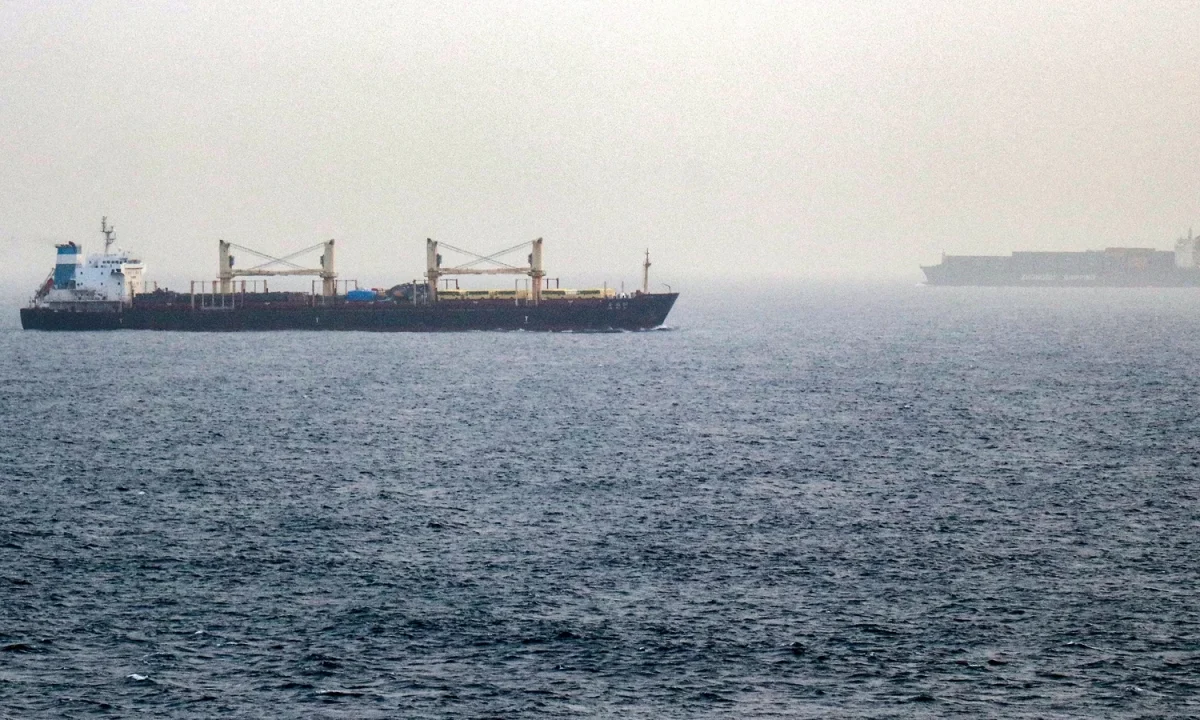
US forces had been hitting Iran night after night in what Washington described as retaliation for Iranian attacks on shipping in the Strait of Hormuz.
Iran says its objective is to maintain control over the strait, the world’s most critical route for energy shipments.
The two-week US military operation effectively derailed last month’s interim agreement, which had been intended to end the war launched by the United States and Israel in February.
Read more:
Latest Middle East stories
The New York Times and CNN reported that Mr Trump stepped back from plans to widen the war with larger military options after some advisers raised concerns on Friday, including questions about whether US missile defence stocks were being depleted by efforts to protect American bases in the region.
Both CNN and the Times named Pentagon Chief of Staff Dan Caine as one of the officials who raised those concerns.
CNN reported that Vice President JD Vance had also voiced reservations.
Axios said Mr Trump had been receiving strike plans for Iran from the Pentagon every afternoon for two weeks and approving them each night, until Friday, when the latest proposal reached him and he chose not to proceed.
President Trump’s decision to stop the strikes, at least for now, lands at a pivotal moment in the war, as both sides probe the limits of escalation set before a ceasefire halted major fighting in April and an interim agreement reopened Hormuz in June.
US forces have already attacked bridges and tunnels in southern Iran, after which Iran struck water desalination plants relied upon by nearby Gulf Arab states to sustain cities built in desert climates.
In the past week, Iran’s Houthi allies in Yemen declared a blockade on Saudi oil in the Red Sea, threatening to close off a second major chokepoint for global energy shipments.
The move sent the benchmark Brent crude price above $100 for the first time since May.
Yesterday, the Houthis fired at Saudi Red Sea oil targets for the first time in years.
Saudi-led coalition strikes Hodeidah
In Yemen, officials said the air force of the Saudi-backed, internationally recognised government, which has fought the Houthis for more than a decade, carried out strikes on Houthi positions in Marib and al-Jawf provinces.
The officials said forces on both sides of Yemen’s civil war were being mobilised along the front lines.
Saudi Arabia has led an Arab coalition against the Houthis since the Iran-aligned movement seized Yemen’s capital, Sanaa.
The civil war, in which famine and combat killed hundreds of thousands of people, had been largely frozen under a ceasefire in place since 2022.
That truce collapsed this month, as the Houthis effectively entered the broader war being fought by their Iranian allies since the United States and Israel attacked five months ago.
The Houthis have announced a naval blockade of Saudi Arabia over the past week, and Houthi leader Abdul Malik al-Houthi said all Saudi oil facilities could be considered targets.