
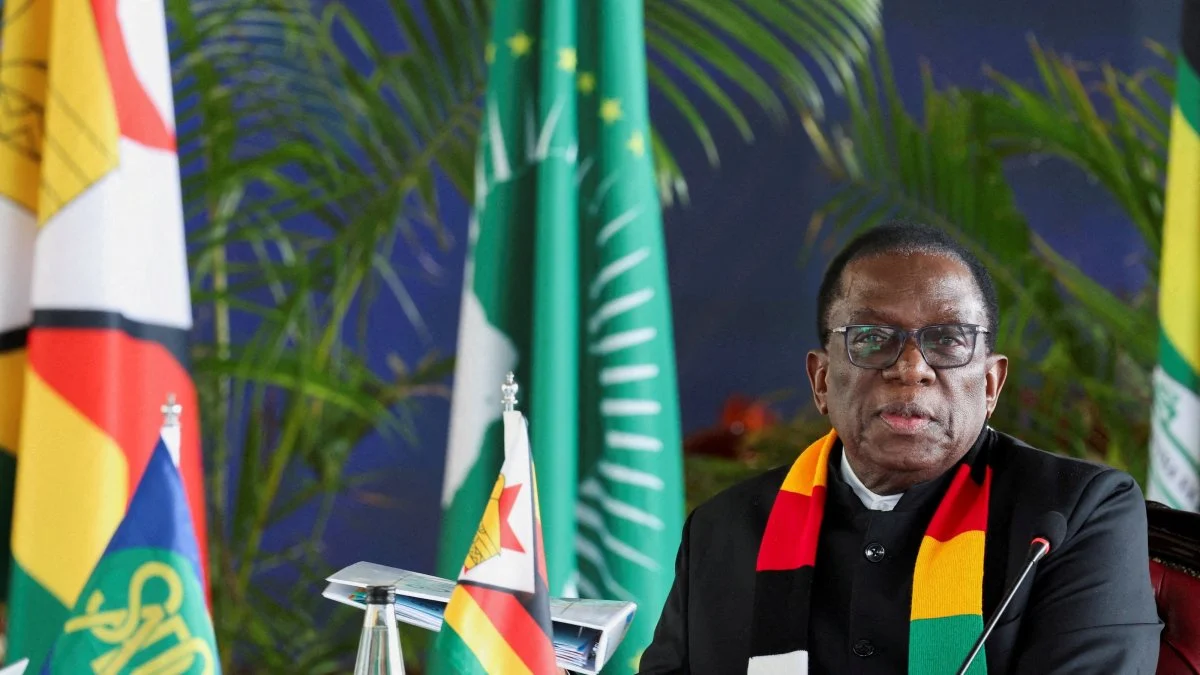
In a significant move poised to reshape Zimbabwe’s political landscape, President Emmerson Mnangagwa signed a contentious constitutional amendment into law on Tuesday, extending his presidential term by two years to 2030. This marks a pivotal change since the 2013 Constitution came into effect.
Government spokesperson Nick Mangwana confirmed Mnangagwa’s approval of the Constitutional Amendment (No. 3) Act. This enactment includes a series of reforms impacting Zimbabwe’s electoral, judicial, and political systems, effectively delaying the next general elections from 2028 to 2030.
The legislation has sparked fierce criticism from opposition groups, civil society, constitutional experts, and some war veterans. They contend that it undermines democratic protections and consolidates power within the ruling Zimbabwe African National Union-Patriotic Front (ZANU-PF).
Sweeping constitutional changes
The new law extends both presidential and parliamentary terms to seven years, allowing Mnangagwa to potentially remain in office until 2030, bypassing what was anticipated to be his final term in 2028.
Additionally, the amendments transform several political mechanisms. Future presidents will no longer be chosen by direct voter elections but rather by Parliament, a shift proponents claim will enhance stability. Critics, however, argue it strips citizens of a crucial democratic right.
The Senate will expand from 80 to 90 members, increasing presidential appointments, while shifting voter registration duties from the Zimbabwe Electoral Commission to the Registrar-General.
Integral to the reform package are changes to the judiciary, such as eliminating public interviews for senior judges and introducing a Judge President role in the Supreme Court.
Long-planned political reform
Driven primarily by ZANU-PF, who have led Zimbabwe since its 1980 independence, the amendment follows an extended legislative process. Beginning in October 2025, the party pursued an agenda to prolong presidential terms. The proposal received Cabinet endorsement in February 2026 before progressing through Parliament with overwhelming support.
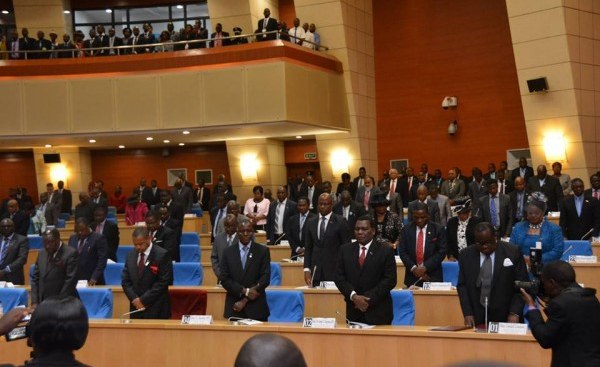
On June 18, the National Assembly passed the bill with 216 votes in favor, against 42 dissenters, surpassing the two-thirds threshold needed for constitutional changes. Shortly afterward, the Senate approved it with a 75-4 vote, enabling presidential ratification.
With Mnangagwa’s endorsement, the Constitutional Amendment (No. 3) Act took immediate effect upon publication in the government gazette.
A president whose tenure keeps growing
At the age of 83, Mnangagwa originally assumed power in November 2017 after a military takeover ended Robert Mugabe’s near forty-year rule. He was subsequently elected in a contested 2018 vote and re-elected in 2023. The previous constitutional constraints would have concluded his presidency in 2028.
However, the newly enacted law extends his tenure by another two years while aligning parliamentary and presidential elections to a seven-year cycle.
Democracy concerns intensify
This constitutional revision has emerged as a deeply divisive issue in Zimbabwe. Opposition leaders claim the changes defy the 2013 Constitution’s intent, especially Section 328, which aims to prevent constitutional modifications from benefitting current presidents.
Legal analysts question the amendment’s legality without a national referendum. Critics also warn that allowing Parliament to select future presidents could further cement ZANU-PF’s dominance, given their legislative majority, and raise alarms over voter registration, judicial appointments, and Senate autonomy.
Despite several legal challenges, ZANU-PF’s parliamentary strength facilitated the swift passage of the legislation through both legislative bodies.
High stakes for Zimbabwe’s future
The reforms emerge against the backdrop of ongoing economic struggles in Zimbabwe, including currency issues, unemployment, inflation, and infrastructure woes.
The government argues these constitutional changes will foster the stability and policy continuity required for executing long-term economic strategies. However, opponents view the amendments as a regression for democratic governance, asserting they erode checks and balances while centralizing political power.