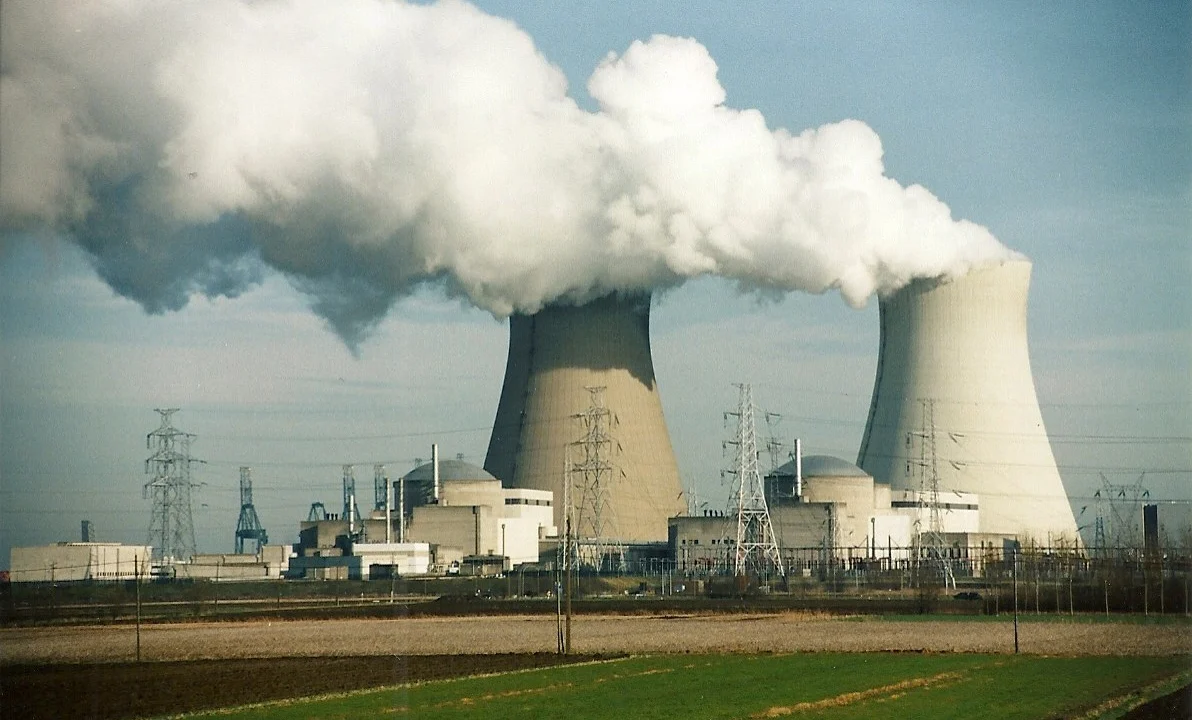
Rwanda is pushing to switch on its first nuclear power program in the early 2030s to broaden its energy mix and keep pace with surging electricity demand. Yet a defining issue still hangs in the balance: who will foot the bill?
According to the Rwanda Atomic Energy Board, securing financing is among several essential steps that must be completed before any ground is broken. Momentum is building nonetheless. In May, the International Atomic Energy Agency (IAEA) confirmed Rwanda had moved into Phase 2 of its nuclear roadmap, the stage centered on laying the groundwork for contracting and eventual construction.
At the same time, the International Energy Agency (IEA) has emphasized the need for predictable revenue to unlock investment, noting that countries frequently lean on long-term power purchase agreements or regulated pricing schemes to give developers and lenders confidence.