
Two bomb attacks in separate parts of Colombia cast a shadow over Abelardo de la Espriella’s first day as president, killing a police officer and injuring several others.
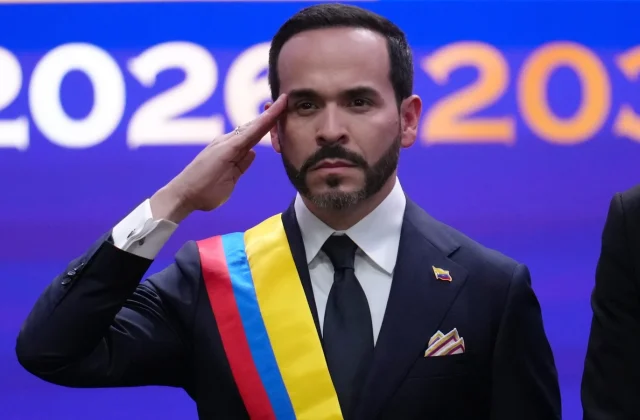
The newly inaugurated hard-right leader campaigned on a pledge to confront “narcoterrorism without truce” and abandon peace negotiations with armed groups. He took office Friday in the southwestern city of Cali.
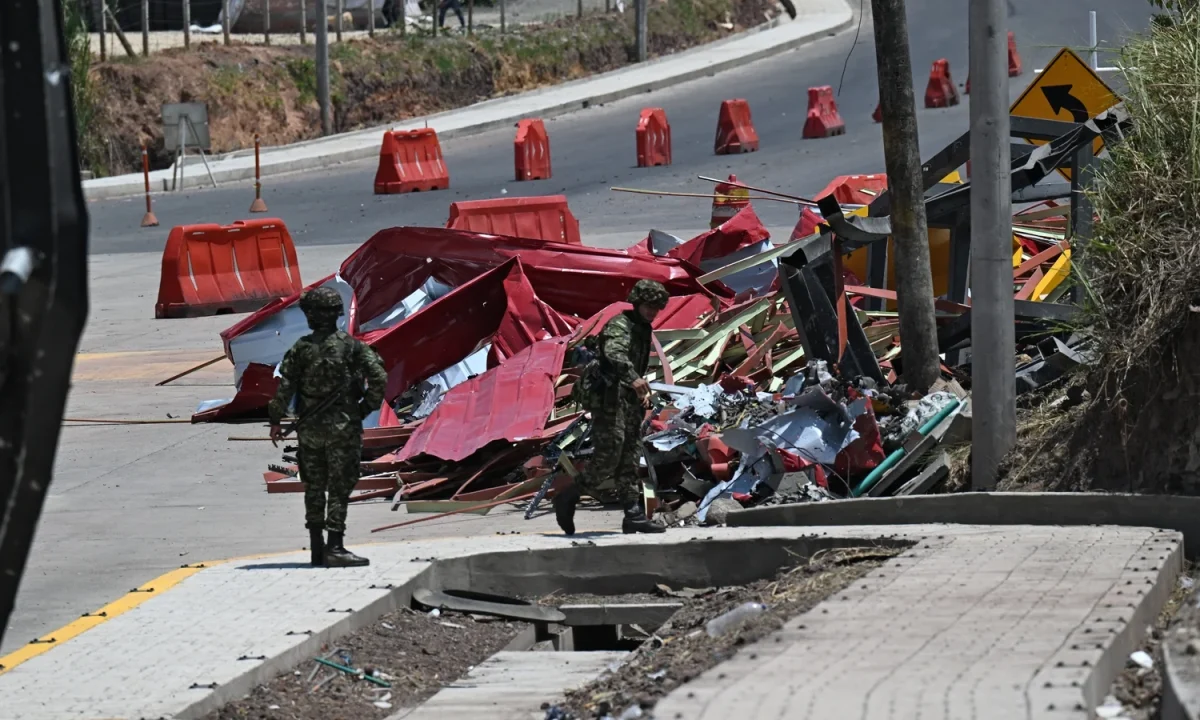
Colombia’s army said FARC dissidents had used explosives to destroy a motorway tollbooth near Cali in the early hours of the morning. Two security guards sustained minor injuries in the blast.
The tollbooth, which was still under construction on the Pan-American motorway in the municipality of Santander de Quilichao, sits in an area where fighters loyal to Ivan Morodisco, the country’s most wanted guerilla commander, operate.
Colombian President Abelardo de la Espriella condemned the bombing on social media
Mr De la Espriella denounced the attack in a post on X, saying that “attacking the country’s infrastructure is attacking progress.”
“To those responsible, I send a clear message: there will be no refuge, no leniency and no impunity,” he wrote.
‘Will not go unpunished’
Roughly 1,000km away in the northern department of Cesar, another bombing killed a police officer when a drone carrying explosives struck a police station, local officials said.
Authorities have not named any suspects, but Mr De la Espriella pledged that whoever carried out the attack “will not go unpunished.”
The first-time politician’s combative approach now faces a direct test from guerilla factions and drug traffickers active across Colombia. Mr De la Espriella has made no secret of his admiration for US President Donald Trump and El Salvador’s Nayib Bukele.
Read more: Who is Colombia’s self-proclaimed ‘Tiger’ president?
Mr De la Espriella has promised to build mega-prisons modeled on Bukele’s approach and step up bombing raids against guerilla groups and drug traffickers operating in Colombia, with backing from the United States and Israel.
His inauguration came as Colombia endured its most severe surge in violence in a decade.
Ten years after landmark peace accords were signed, dissident armed groups still control parts of the country and hold sway over areas central to the global cocaine trade.