
Basillioh Rukangaand Priyanka Sippy, Focus on Africa podcastWednesday July 22, 2026
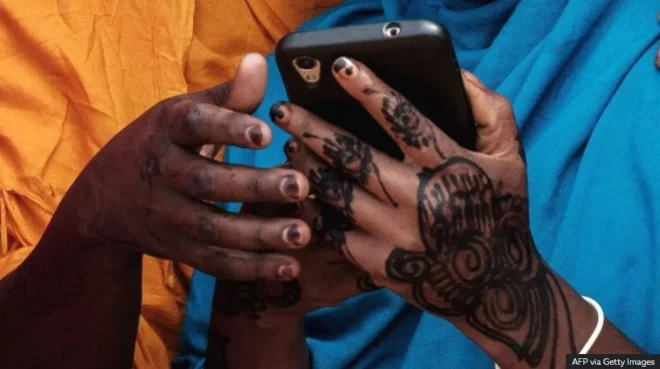
Somalia’s economy depends heavily on mobile money transactions
Somalia has raised alarm over WhatsApp’s planned introduction of usernames, warning the BBC that allowing users to chat without displaying phone numbers could create fresh security threats.
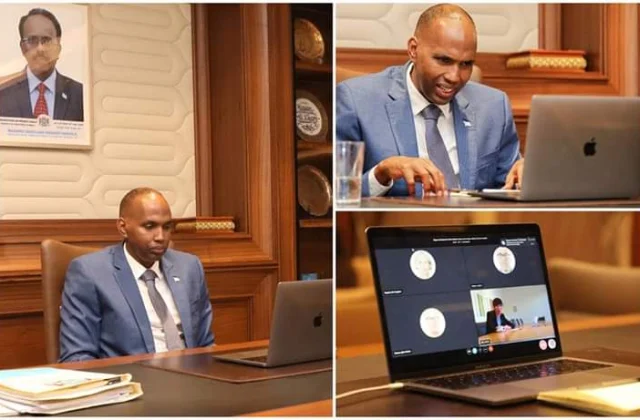
Communications and Technology Minister Ahmed Osman Dirie said the change could complicate efforts to identify and stop criminals in a country still fighting Islamist militants.
WhatsApp is expected to introduce the feature to its three billion users worldwide in the coming months, enabling people to create, alter or remove usernames.
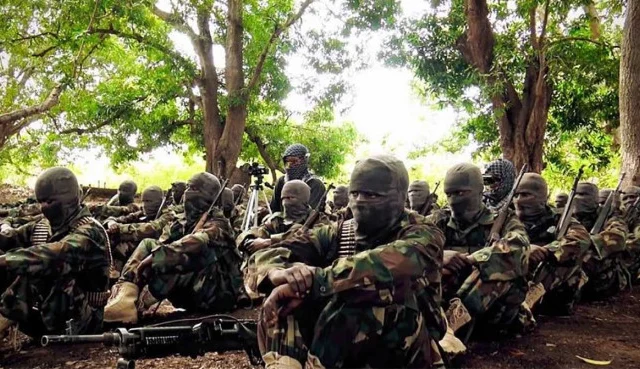
Somalia has endured a violent and deadly insurgency by al-Shabab, an al-Qaeda affiliate, for more than two decades.
WhatsApp told the BBC that usernames have not yet been launched and stressed that users will still need a phone number to access the app. The company also said the feature includes protections designed to prevent scams.
Dirie, however, told the BBC’s Focus on Africa podcast that the Somali authorities had contacted Meta, WhatsApp’s owner, over the proposed change. He said he hoped “we’ll reach a resolution on this matter very soon”.
He said Somalia’s circumstances were distinct because mobile money plays such a central role in the country’s economy.
The introduction of “unverified and untraceable usernames”, he said, could expose citizens to scams and increase the risk of financial fraud.
Al-Shabab has previously used WhatsApp in its operations, including to spread propaganda and extort money.
In 2024, Somalia’s intelligence agency said it had closed 20 WhatsApp groups it alleged were being used by al-Shabab for intimidation and extortion.
The agency said it had also cut data services to about 2,500 phone numbers linked to the groups.
Dirie said Somalia had effective systems for regulating phone numbers, but warned that WhatsApp’s planned usernames could weaken those controls.
Somalia’s objections echo concerns voiced by India, WhatsApp’s largest market, where the service has more than 850 million users.
Earlier this month, India said usernames could fuel fraud, impersonation and other offences by enabling criminals to approach potential victims without revealing their numbers.
It asked Meta “not to roll out this feature until the consultation on this point is achieved to the satisfaction of the government”.
Dirie said a WhatsApp account tied to a telephone number gave authorities a clearer way to trace suspected offenders.
“So moving away from phone numbers to usernames, we believe, will make it difficult for us to counter those crimes,” he said.
The minister said Meta must offer more assurances, despite the company’s claim that WhatsApp has systems to protect users against cybercrime.
He called on Meta to show that concealing phone numbers would not “erode digital traceability” and to set out “specific safeguards” against financial fraud.
“If they prove that, when we discuss if we put those safeguards in place, then we will not have any issue with rolling out the new feature,” he said.
Moses Kemibaro, a technology blogger focused on Africa, said WhatsApp’s planned change appeared intended to strengthen privacy.
He said it marked a shift towards services such as Meta-owned Instagram, where a user’s identity is not directly tied to a phone number.
“It’s almost saying that this can work irrespective of the phone number and just give you a single identity,” he says.
Kemibaro said the feature could allow more private communication, while acknowledging that governments had legitimate security concerns.
“[It is] a very sensitive issue around the possibility of escalation in scams and risky propositions that might actually come out of this new trend,” he says.
Meta should clarify the consequences of the change, including whether regulators would be able to connect a crime committed through a username with the person using it, he added.
Kenyan security expert George Musamali partly agrees, saying WhatsApp’s approach could help protect users’ privacy.
He said the technology company is often blamed when people report that personal details taken from WhatsApp groups have later been used against them.
In some cases, governments may use information shared in those groups to target critics, Musamali said, suggesting this may be among the risks Meta is seeking to prevent.
He said governments could be “jumping the gun”, arguing that privacy rights and security needs must ultimately be balanced.