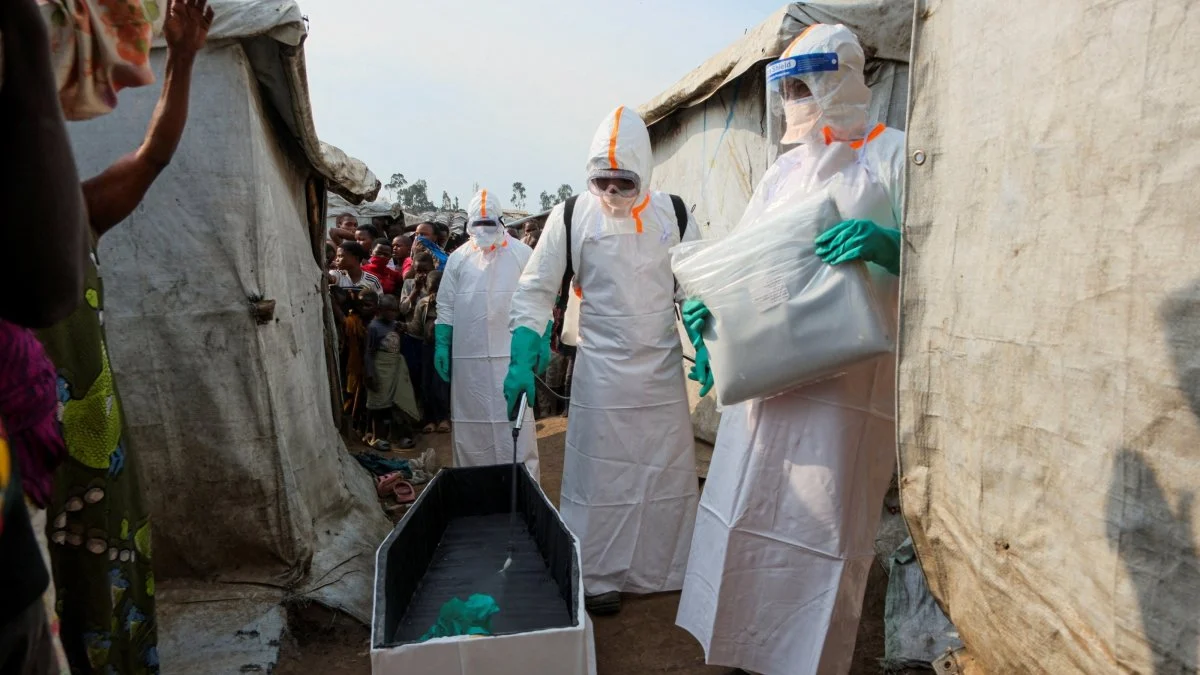
The United States is ramping up its involvement in combating Ebola in the Democratic Republic of Congo by distributing an experimental antibody drug for clinical trials. This marks a shift from prior policies that prioritized the drug for U.S. citizens at high risk.
Central to this effort is MBP134, a monoclonal antibody therapy by Mapp Biopharmaceutical. As warned by health authorities, without swift intervention, the ongoing outbreak may worsen. The U.S. Department of Health and Human Services announced these doses would be available under compassionate use in Congo, aiming to gather clinical data for future regulatory considerations.
While officials have not specified the number of doses, this represents Washington’s first instance of supporting outbreak-based trials using stockpiled treatment supplies. Previously, these resources were reserved for Americans. This shift follows longstanding debates balancing homeland security and global health needs.
The Bundibugyo strain of Ebola is fueling this large-scale outbreak, with the government reporting 1,094 confirmed cases and 277 fatalities in Congo, alongside cases in Uganda. Experts caution that the actual figures might be underestimated due to limited surveillance in remote areas.
Distinct from the Zaire strain, Bundibugyo lacks an approved vaccine or specific treatment, highlighting the urgency for experimental therapies now being tested.
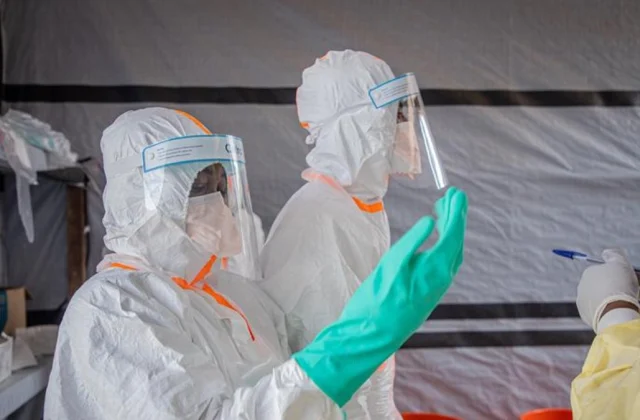
The World Health Organization reports that MBP134 and other investigational drugs are reaching affected regions. WHO is managing trial logistics with local governments and institutional partners, preparing patient enrollments across Congo and Uganda.
Clinical trials, set to commence soon, will assess MBP134 both alone and with antiviral drugs. Among these is remdesivir, known as Veklury, widely used during the COVID-19 crisis. Another, obeldesivir, is under review as a preventive measure for those exposed to the virus.
Spearheaded by WHO, the MBP134 study involves University of Oxford researchers working with Congolese and Ugandan health authorities. Simultaneously, African and international entities, including the Africa Centres for Disease Control and Prevention, are leading trials for other antivirals.
Regulatory bodies and ethics panels in Congo and Uganda are currently examining trial protocols. Despite past evidence of safety, none of these drugs have yet proven effective against Bundibugyo, leaving their ultimate impact unclear.
Meanwhile, vaccine development lags. Initial candidates from organizations like the Coalition for Epidemic Preparedness Innovations (CEPI) are being developed by Oxford, the Serum Institute of India, and Moderna, using mRNA technology. Phase 1 trials could launch soon in the UK and possibly Uganda.
Although foundational infrastructure for these trials is largely set, CEPI acknowledges that strategies for subsequent stages and deployments remain in flux.
Despite pressing needs, global health leaders emphasize that any experimental interventions must go through controlled trials prior to extensive usage, even as the push for quicker access in afflicted regions grows.
Efforts to contain the outbreak are challenging. It is concentrated in eastern Congo regions plagued by instability, fragile health systems, and skepticism towards authorities.
Mongbwalu in Ituri province, a major focus due to its mining activities, faces complex challenges. Mobility among mines complicates contact tracing, and crowded conditions elevate infection risks.
Health workers describe conditions where necessity often trumps health concerns. Many miners choose to continue their work despite acknowledging infection risks in cramped settings.
Since its declaration in May following mysterious deaths in Mongbwalu, the outbreak has spread to 17 provinces, making it the third-largest recorded.
Relief agencies caution that trust in traditional healers over medical interventions hinders early disease detection and treatment, further complicated by ongoing issues with armed groups.