
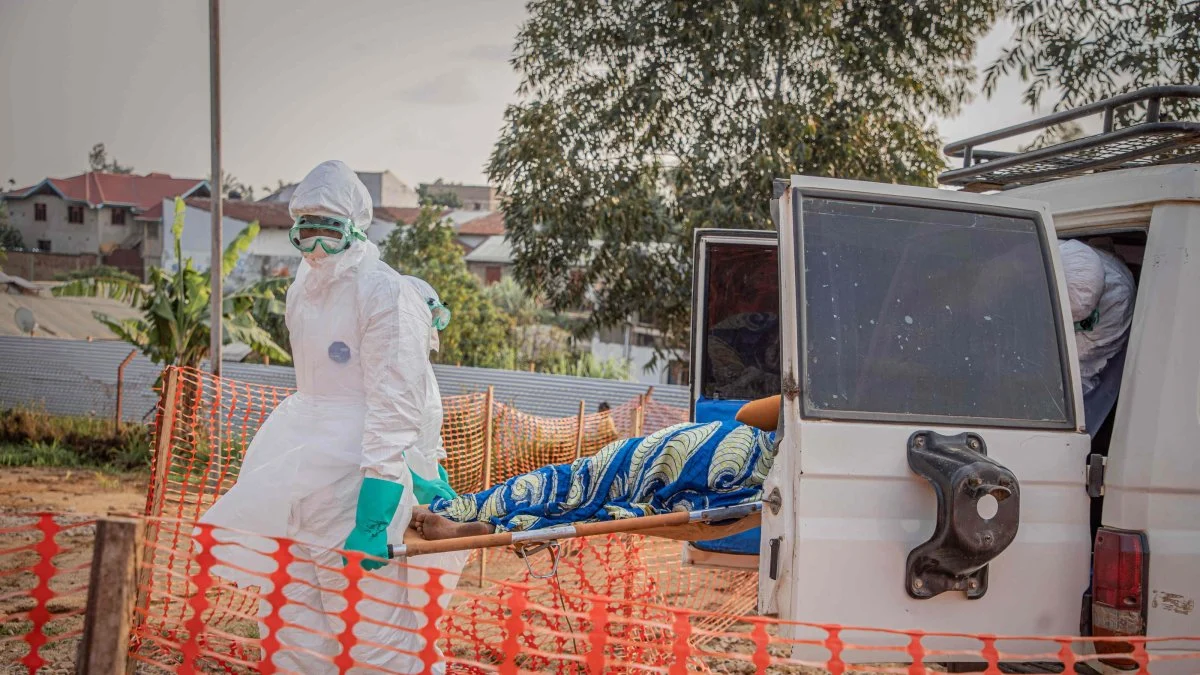
Scientists are in a race against time to unravel the complexities of a burgeoning Ebola Bundibugyo outbreak in the Democratic Republic of the Congo. Medical professionals caution that critical gaps in knowledge are hindering the timely detection and treatment of this dangerous disease.
Since mid-May, when the outbreak was declared, the Congolese government has reported over 1,100 cases and nearly 300 deaths, marking this as the most significant outbreak of the Bundibugyo strain on record. Across the border in Uganda, 20 cases and two deaths have been confirmed.
“We’re grappling with an outbreak that we’re only beginning to comprehend,” stated Chikwe Ihekweazu, the World Health Organization’s emergencies director, during a news briefing on Wednesday.
Historically, only two Bundibugyo outbreaks have been recorded—one in Uganda in 2007 and another in Congo in 2012, with a total of approximately 200 cases. Although this strain is distinct from the Ebola Zaire strain responsible for the 2014-2016 West Africa epidemic, it shares similar symptoms, such as fever, vomiting, and diarrhea.
Lesser-known threat
The challenge lies in detection since standard tests focus on identifying Ebola Zaire, not Bundibugyo. Unlike Zaire, no vaccines or approved treatments specifically target Bundibugyo, although clinical trials are anticipated to commence next week.
The limited understanding of how to detect this disease continues to pose challenges, Congolese officials report, as its early symptoms can resemble those of other diseases like malaria. These symptoms appear milder in Bundibugyo cases, often delaying medical care.
“The early stages look milder than Zaire—this might explain why over 50% present at an advanced stage,” said Abdou Sebushishe, a senior adviser at the International Medical Corps in eastern Congo, which operates multiple Ebola treatment centers.
Dr. Emmanuel Musingusi Bulemu, a Congolese health official, noted that bleeding is typically associated with later stages of Ebola, remembering the Zaire outbreak in the same region during 2018 and 2019.
While the U.S. Centers for Disease Control and Prevention estimates that around 40% of Ebola patients experience bleeding, early evidence in this Bundibugyo outbreak suggests otherwise. Reports from the World Health Organization and Congo’s National Institute for Biomedical Research indicate only 10% of those studied exhibited the symptom in a sample of 505 confirmed cases.
“As a result, community members doubt us, saying, ‘Before, it was bleeding; there’s no bleeding now, so you’re lying,’” Musingusi explained. This skepticism is fostering resistance to containment efforts.
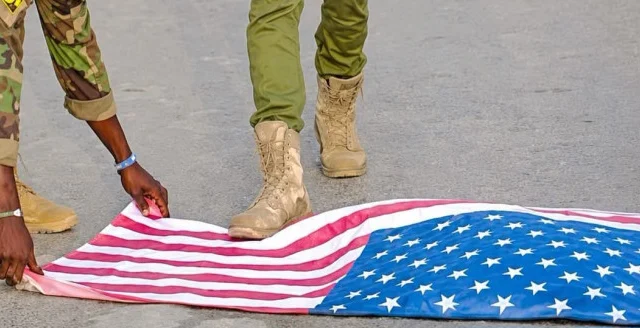
Resistance and violence against Ebola responders are complicating efforts to curb the outbreak.
Same steps still key
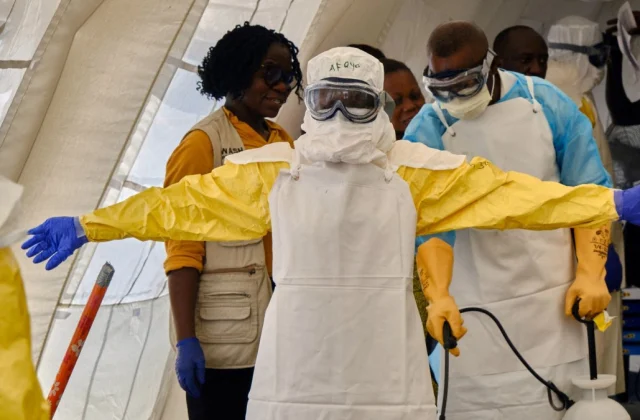
Despite differences in outbreaks, experts insist that standard response measures—testing, isolation, and treatment—are crucial.
“It’s the same protocol,” said Peter Piot, a professor at the London School of Hygiene and Tropical Medicine and a co-discoverer of Ebola Zaire.
He noted, however, that the rapid escalation of cases poses unique challenges, particularly in a conflict-prone area. “Without peace, controlling this outbreak remains uncertain,” Piot warned.