Recent government figures show a surge in cases, with 1,460 confirmed infections and 447 deaths reported nationwide as of Thursday. Just a day earlier, 54 new cases emerged in the eastern provinces of Ituri and North Kivu, marking a swift escalation from previous health ministry data indicating 1,406 infections and 438 fatalities.
Initially declared on May 15, the outbreak—identified as the Bundibugyo strain of Ebola—has spread across numerous health zones, principally affecting Ituri province where over 83% of deaths have occurred. However, the virus has also reached neighboring North Kivu and South Kivu.
Health officials have identified Lolwa as the newest affected zone in Ituri. Furthermore, the spread has reached Kisangani, a city of 1.5 million people, situated approximately 600 kilometers (370 miles) from the outbreak’s heart.
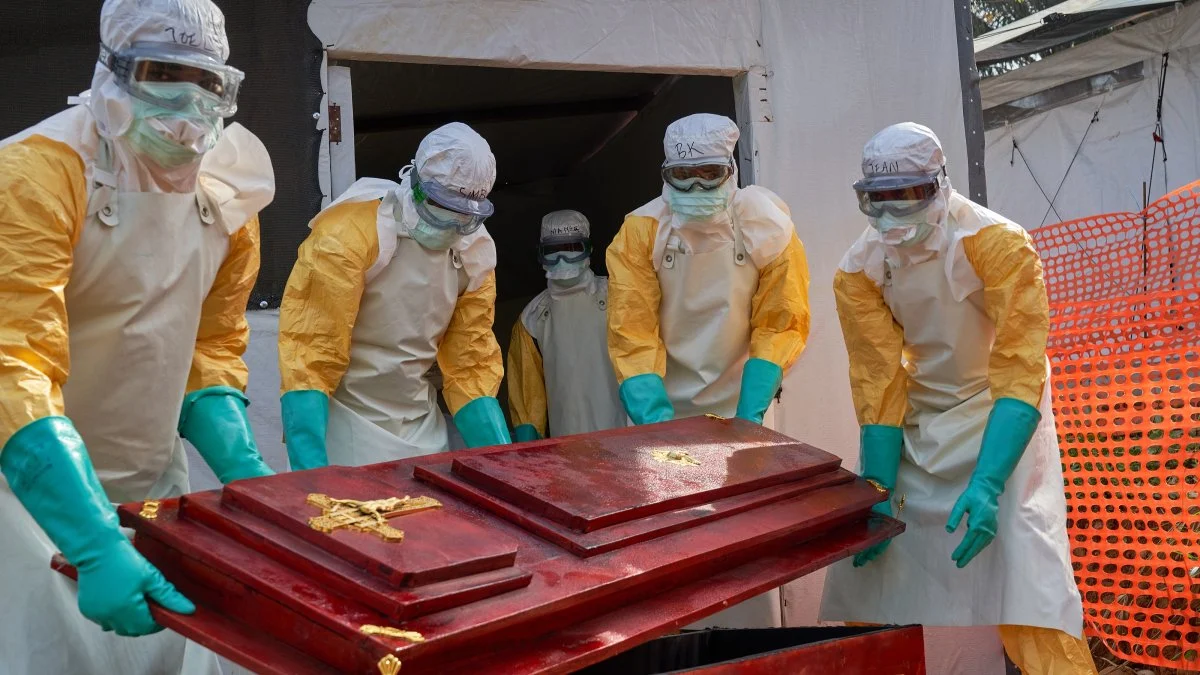
Kisangani’s first confirmed case involved a 24-year-old pregnant woman, whose body later tested positive for Ebola after she was covertly transported by motorcycle from the Nia-Nia health zone in Ituri. Experts caution that handling infected bodies poses significant risks, as Ebola remains highly contagious post-mortem, exacerbated by customary burial practices.
The outbreak shows a case fatality rate of just over 31%, yet the World Health Organization cautions that the actual toll might be higher, since numerous suspected Ebola-related deaths prior to the outbreak’s formal declaration are under investigation.
To date, 192 patients have successfully recovered while over 600 are either hospitalized or isolated. Medical teams are still tracing numerous contacts to contain the virus.
Crossing national boundaries, the virus has reached Uganda, where 20 confirmed cases, including two fatalities, have been recorded. Accordingly, donors and international partners have committed $910 million to support the response efforts across both affected nations, as reported by the Africa Centres for Disease Control and Prevention.
In response, Congolese President Felix Tshisekedi announced a $319 million national strategy aimed at bolstering surveillance, treatment, and containment measures.
“Epidemics do not recognize borders,” Tshisekedi emphasized during a joint media briefing in Kinshasa alongside South African President Cyril Ramaphosa. Ramaphosa advocated for international collaboration over travel restrictions, expressing hope for a vaccine against the Bundibugyo strain by year’s end.
Currently, there is no approved vaccine or targeted treatment for the Bundibugyo strain, unlike the more prevalent Zaire strain. Nonetheless, the World Health Organization has begun clinical trials to assess two promising treatments: the monoclonal antibody MBP134 and the antiviral drug remdesivir, though conclusive results may take months.
The fight against Ebola is compounded by challenges beyond the virus itself. Insecurity, ongoing armed conflict, and public distrust are complicating containment efforts across eastern Congo.
Violence recently erupted in the Nia-Nia health zone when residents clashed with police over a safe burial dispute, leading to the torching of an Ebola treatment center and escape of seven isolated patients. The whereabouts of these patients remain unknown.
The violence resulted in one police officer’s death and serious injuries to two protesters. Demonstrators also seized the bodies of two Ebola victims before safe burials could be conducted, heightening transmission risks.
Local health officials report persistent skepticism about Ebola’s existence, alongside allegations that aid organizations are exploiting the crisis for profit, complicating public health campaigns.
The outbreak has also extended into Haut-Uele province, with officials reporting one death and another infected individual fleeing from the Nia-Nia zone. Cases in Haut-Uele and Tshopo provinces are considered imports from Ituri, with contact tracing underway.
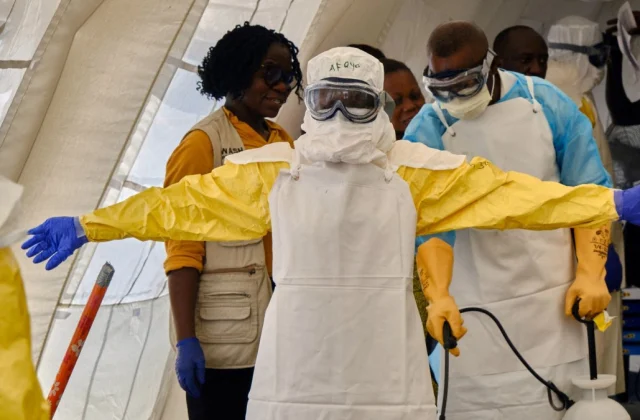
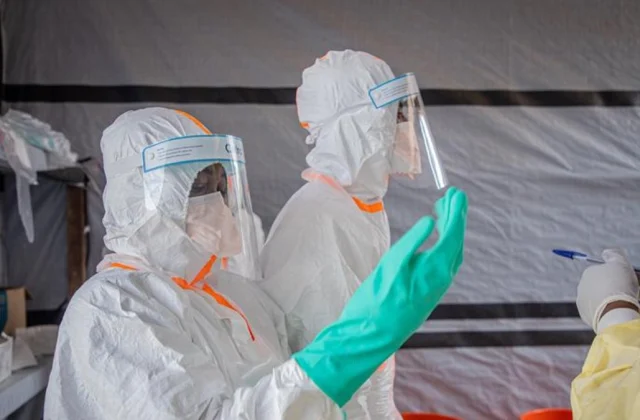
Healthcare workers face critical shortages of protective gear, chlorine, and essential medical supplies necessary for treating patients and safeguarding staff on the frontlines.
The Democratic Republic of Congo has experienced 17 Ebola outbreaks over the past five decades. The deadliest, between 2018 and 2020, claimed nearly 2,300 lives.