Irish consumers will now have a legal “right to repair” broken products instead of being pushed to replace them under new EU rules.
The changes are designed to reduce the estimated 35 million tonnes of waste created each year across the bloc when consumer goods are discarded before the end of their useful lives.
- Advertisement -
Speaking to Behind the Story, Work and Technology Correspondent Brian O’Donovan said repairs must be provided free of charge or at a fair price, and completed within a reasonable period.
“The details can vary depending on the product and the manufacturer,” he explained.
“But under these new rules, manufacturers cannot design products to fail or make repairs unnecessarily complicated.”
We need your consent to load this rte-player contentWe use rte-player to manage extra content that can set cookies on your device and collect data about your activity. Please review their details and accept them to load the content.Manage Preferences
Can sanctions work?
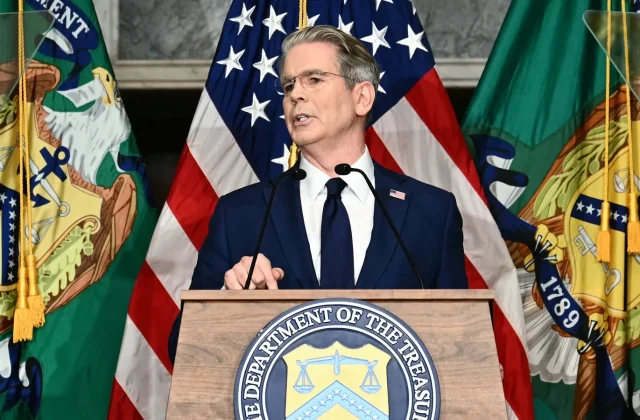
The US Treasury Secretary Scott Bessent has promised what he called an “economic D-Day” against Iran through a fresh package of sanctions.
With almost six months of war now behind them, the two sides remain caught in a stalemate.
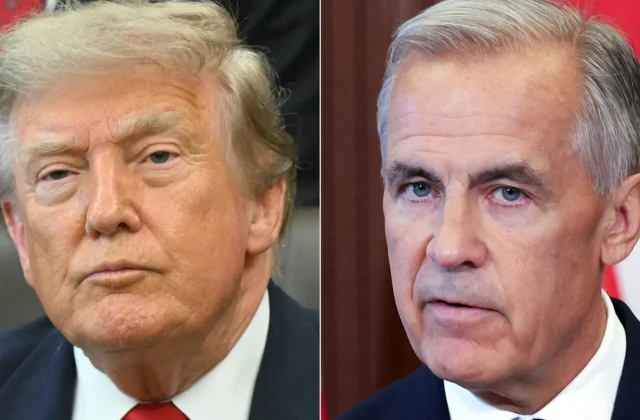
US President Donald Trump has also threatened economic penalties for any country offering Iran “any type of lifeline”.
Dr Michael Breen, Associate Professor in International Political Economy at DCU’s School of Law and Government, said Washington appears to be turning to tougher sanctions because its naval blockade of Iran has failed to deliver results.
“The US is trying to provoke a response from Iran and bring the country back to the negotiating table because the blockade is not working,” he said.
“This approach generally does not work particularly well; sanctions take too long to have an effect.
“I don’t believe the US has the luxury of time here.”
Oil prices
Dr Breen warned that the confrontation could also send shockwaves through global oil markets.
“The global economy is at risk unless this can be resolved within the next couple of months,” he said.
“Oil shortages may not hit Europe or the United States straight away, but if supplies were disrupted for several months, we could see a dramatic surge in inflation.
“The US needs to find a solution, while Iran’s strategy is to wait until it can secure the strongest deal possible.”
Trading with Iran
Dr Breen said Iran’s principal trading partners, including China, would probably seek ways to bypass the sanctions.
“They will continue doing business with Iran and look for ways to operate outside the US dollar system,” he said.
“For example, oil could be traded with Iran in the Chinese currency.
“I don’t expect Russia to support these sanctions. Turkey is unlikely to want Iran to collapse, and even the United Arab Emirates could struggle to isolate the country economically.”
You can listen to Behind the Story on the RTÉ Radio Player.
Episodes are also available on Apple here, and on Spotify here.