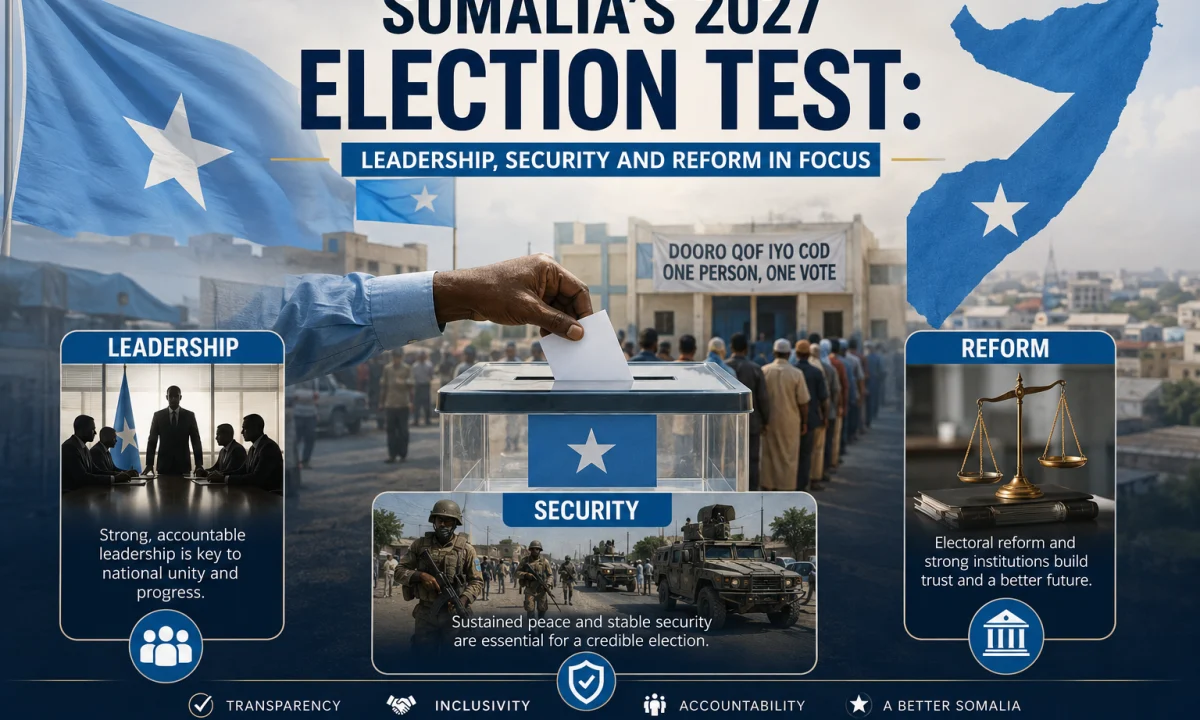
Somalia’s upcoming 2027 elections are emerging as a critical test of the country’s political direction, with security, governance reform and public confidence likely to dominate debate over the next national leadership.
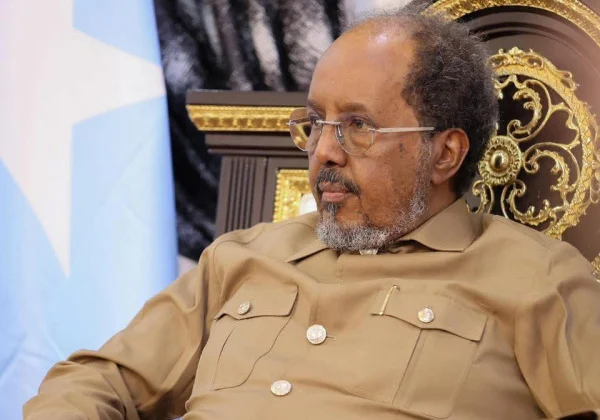
President Hassan Sheikh Mohamud, the prime minister and other senior government representatives will face scrutiny over their performance as political competition intensifies. The administration’s ability to demonstrate progress while maintaining cooperation among Somalia’s political stakeholders could significantly influence the electoral environment.
Leadership record under scrutiny
Hassan Sheikh Mohamud’s leadership will be central to the political conversation. Voters, lawmakers and other stakeholders are expected to assess whether the federal government has strengthened public institutions, improved accountability and advanced a workable national political framework.
The prime minister and Cabinet will also be judged on the government’s day-to-day performance. Their influence will depend on whether policy announcements are translated into visible results and whether the administration can manage disagreements without disrupting essential state functions.
Government representatives seeking to defend the current leadership will likely emphasize achievements and reform efforts. Opponents, meanwhile, are expected to focus on unresolved challenges, implementation gaps and areas where public expectations have not been met. The credibility of both arguments will depend on verifiable evidence and the experiences of Somali communities.
Security remains a decisive issue
The security situation is likely to remain one of the most important factors shaping the election. The government’s capacity to protect communities, support political activity and secure the wider electoral process will affect both participation and confidence in the outcome.
Security pressures could also influence campaigning by limiting movement, narrowing political engagement or creating unequal conditions among candidates. A secure environment would give political actors more space to present competing programmes, while persistent threats could push security concerns ahead of debate on jobs, public services and institutional reform.
Rules and political consensus matter
The democratic significance of the 2027 process will not be measured only by who wins. It will also depend on whether political stakeholders accept the rules, whether disputes are addressed through legitimate mechanisms and whether the public sees the process as credible.
Somalia’s leaders will need to manage competition while preserving cooperation between institutions and other political actors. Unresolved disagreements over governance or the electoral framework could deepen mistrust. By contrast, sustained consultation and transparent decision-making could reduce tensions and give the next leadership a stronger mandate.
Public expectations could reshape the contest
Somalis are likely to expect more than campaign promises. The electorate and broader public will look for practical plans covering security, accountable government, public services and political inclusion. Candidates who clearly explain how they would implement their programmes may be better positioned to build support.
The contest may also test whether political competition can move beyond personalities and become more focused on policies. A campaign centred on measurable priorities would allow the public to compare the record of the current administration with the alternatives offered by its challengers.
A defining moment for Somalia
The 2027 elections could either strengthen Somalia’s democratic process or expose unresolved divisions. Much will depend on the conduct of the current leadership, the behaviour of its competitors and the willingness of all sides to place institutional stability above short-term political advantage.
For President Mohamud and his government, the period before the election provides an opportunity to demonstrate results and build trust. For opposition figures and other contenders, it offers a chance to present credible alternatives. For Somalia, the larger test is whether political competition can produce a legitimate transition or renewed mandate while protecting security and strengthening governance.