The US Senate has approved a far-reaching sanctions package aimed at cutting into Russia’s energy income and increasing pressure on Moscow over its war in Ukraine.
The legislation will now go to the House of Representatives, but lawmakers there are not expected to vote before at least early September because Congress is in its summer recess.
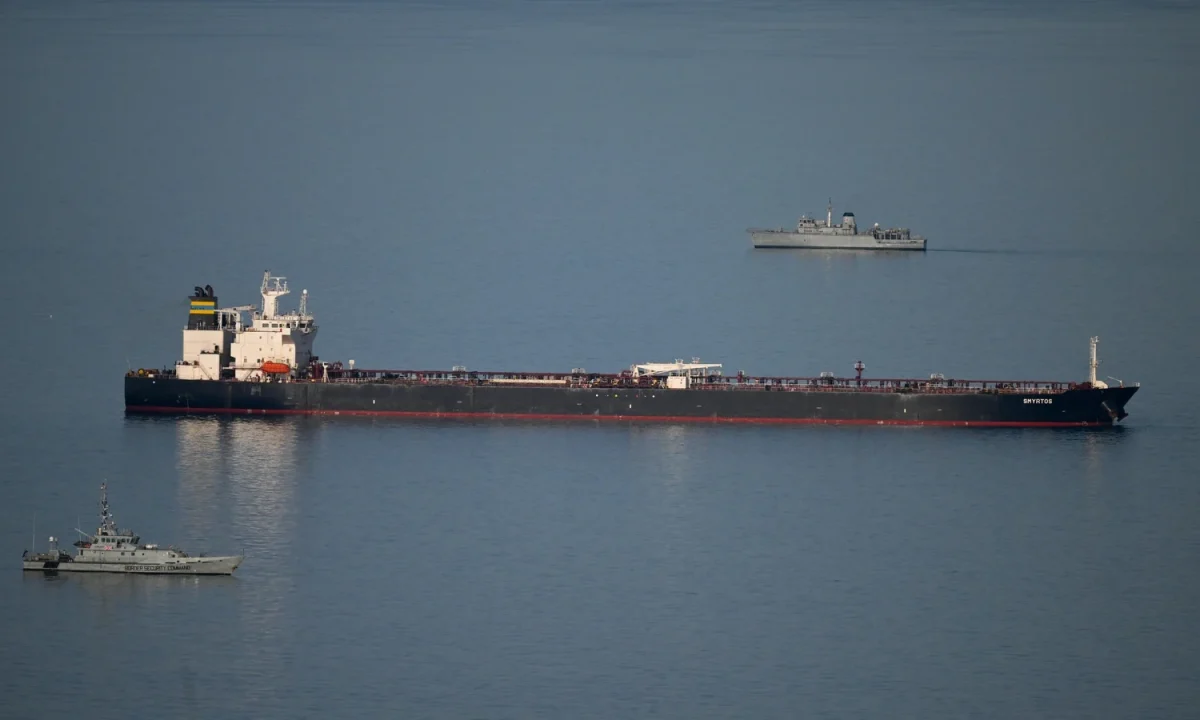
The measure would target Russian officials, oligarchs, banks and other financial institutions, as well as the so-called shadow fleet of vessels accused of helping Russia circumvent restrictions on its oil exports.
It would also give US President Donald Trump authority to impose tariffs of as much as 500% on Russian imports, including oil and gas.
Backers of the bill argue that restricting Moscow’s energy earnings is critical to limiting Russian President Vladimir Putin’s ability to fund the war in Ukraine, which has entered its fifth year.
Should the bill become law, Mr Putin would be included among those subject to sanctions, alongside other senior Russian officials.
The legislation was named for the late Senator Lindsey Graham, who died on 11 July after devoting more than a year to securing support for the package.
In the weeks before his death, Mr Graham said he had reached an agreement with the White House on a revised text. The version included an extension of existing sanctions powers designed to restrict funding for Iran’s energy and weapons industries.
The bill was named after Lindsey Graham who died last month
Darline Graham, the late senator’s sister who succeeded him in Congress, said passage of the measure would honour her brother while helping advance peace.
“It will not only honour my brother, but will also promote peace by cutting off the funding fueling Russia’s war machine,” she said.
Democratic Senator Jeanne Shaheen, who sits on the Senate Foreign Relations Committee, said the legislation would deliver a severe blow to Russia’s energy and financial sectors.
“Vladimir Putin only understands strength, and he only responds to pressure,” Ms Shaheen said.
“This legislation represents our best opportunity to finally bring Russia’s war machine to its knees and to force Putin to the negotiating table.”
Russia’s embassy in the United States has denounced the bill, saying it “does the current US administration a disservice”.
Ukrainian President Volodymyr Zelensky welcomed the Senate’s action and thanked those who supported the measure.
“We are very grateful to the U.S. Senate and to everyone who supports Ukraine,” Mr Zelensky wrote on social media platform X.
“Adopting the Lindsey Graham Sanctioning Russia and Iran Act certainly helps increase pressure on the aggressor to bring this insane Russian war against our independence and our people to an end.”
The vote came as Moscow faced mounting pressure from Europe, after the EU agreed last month to another sanctions package that was scaled back from tougher proposals considered earlier.
It was the EU’s 21st package since Russia launched its full-scale invasion in 2022, and negotiations were delayed by objections from member states over several of the proposed measures.
The package seeks to keep the existing oil price cap in place, limiting Russia’s ability to profit from a rise in global oil prices linked to the war in Iran.
Diplomats said the final impasse was resolved after Greece secured an exemption allowing shipping companies to continue transporting Russian liquefied natural gas from the Arctic.
The latest measures also cover Russia’s financial sector and cryptocurrency companies, while adding dozens of Russian officials to the blacklist over their involvement in the war.
A proposed broad visa ban, however, was dropped from the final agreement.
Ursula von der Leyen welcomed the vote on the US sanctions package
European Commission President Ursula von der Leyen also welcomed the Senate’s approval of the sweeping sanctions targeting Russia’s energy revenues.
“Coming on the back of the EU’s 21st package, I welcome the US Senate’s adoption of the Graham Bill,” Ms von der Leyen wrote on X.
“Together, let us drain Russia’s means to continue a war it cannot win. With hard-hitting, complementary sanctions, Europe and the United States can once again show what historic partners can achieve when we act together,” she added.
Russian attacks kill two in southeastern Ukraine
The Senate vote followed deadly Russian attacks in Ukraine’s southeastern Dnipropetrovsk Region, where two people were killed and six others wounded.
Regional governor Oleksandr Hanzha said on Telegram that Russian forces had carried out nearly 50 strikes across five districts, using drones, artillery and aerial bombs.
Two people died near Nikopol, a city frequently targeted by Russian forces on the western bank of the Dnipro River, across from the Russian-controlled Zaporizhzhia nuclear power plant.
One of the injured people was in serious condition, Mr Hanzha said.
Ukrainian President Volodymyr Zelenskyy arrived in Serbia today
Meanwhile, President Volodymyr Zelensky began his first official visit to Serbia, seeking talks on security with one of the few European countries that remains closely aligned with Moscow since Russia invaded Ukraine.
Energy Minister Dubravka Djedovic Handanovic greeted Mr Zelensky at Belgrade airport before he held dinner talks with Serbian President Aleksandar Vucic.
“We will discuss expanding economic ties between our countries, relations with the European Union, other areas that can benefit our nations, and security issues,” Mr Zelensky said on X.
Serbia has longstanding ties with Russia, and Mr Vucic has declined to impose sanctions on Moscow. That position has frustrated the EU and complicated Belgrade’s efforts to join the bloc.
According to the Serbian presidency, Mr Vucic and Mr Zelensky will meet for formal talks at the presidential palace on Saturday before speaking to the press.
A senior Ukrainian official said before the visit that Kyiv hoped to “pull the Serbs away from Russia’s side”. Mr Vucic, however, has insisted that Serbia’s refusal to sanction Moscow will remain unchanged.
“I am sure Volodymyr Zelensky, in line with his struggle and his views, will say what he thinks about sanctions against the Russian Federation, but the Republic of Serbia set out its position four and a half years ago, almost five years ago, and has not changed it since,” Mr Vucic said yesterday.
“That will remain the case until further notice.”