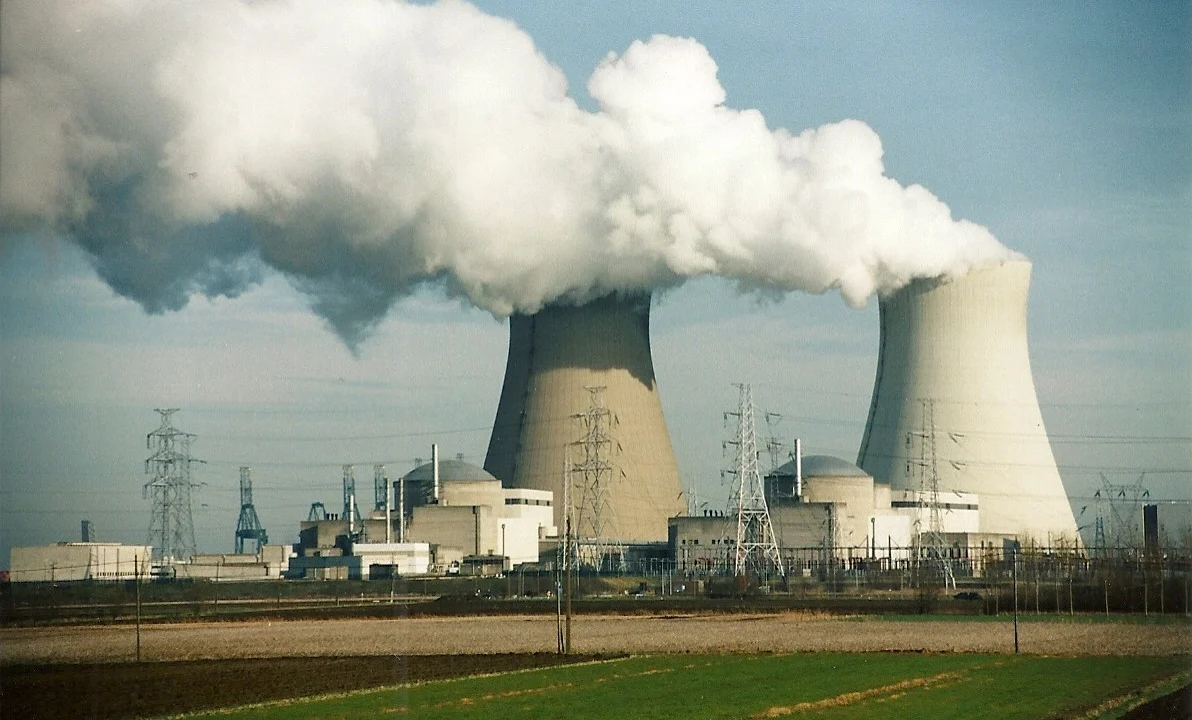
Rwanda is aiming to switch on its first nuclear power facilities in the early 2030s to broaden its energy mix and keep pace with surging electricity demand. Yet a fundamental issue hangs over the plan: how the project will be financed.
According to the Rwanda Atomic Energy Board, lining up funding is one of several pivotal steps that must be completed before any ground is broken. Momentum has built this year: in May, the International Atomic Energy Agency (IAEA) confirmed Rwanda’s move into Phase 2 of its nuclear program, a stage dedicated to readying the country for contracting and construction.
At the same time, the International Energy Agency (IEA) has emphasized the need for stable, predictable cash flows to attract capital, noting that countries frequently use long-term power purchase agreements or regulated pricing frameworks to give investors the assurance they require.