Sudan’s warring factions are exploiting the country’s resources and trade networks for profit, creating an expanding war economy that is helping to sustain the conflict, the United Nations said Wednesday.
The Sudanese army and the paramilitary Rapid Support Forces (RSF) are using control over territory, commodities and trade routes to cover the mounting cost of military operations, the U.N. human rights office, OHCHR, said. The result is a conflict that has become “increasingly self-perpetuating.”
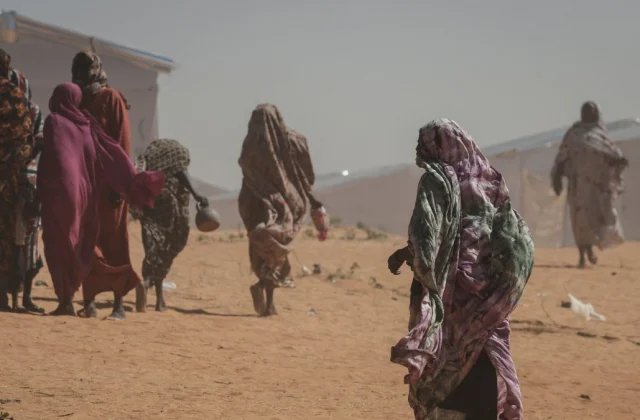
The war erupted in April 2023 and has killed 200,000 people by some estimates, while displacing more than 11 million. Hunger and famine have taken hold in several parts of Sudan.
OHCHR urged both sides, as well as companies involved in collecting and selling Sudanese commodities, to comply with international law.
“Sudan’s vast wealth of natural resources should benefit its people,” U.N. rights chief Volker Türk said.
“Distressingly, what we are seeing today is anything but that. In fact, this wealth is only serving to undermine human rights and drive conflict, bringing pain and suffering on an enormous scale,” he said.
“This war economy must be disrupted, and the international community must pay much closer attention to the commodities and trade routes that help keep it alive,” he added.
Gum arabic trade
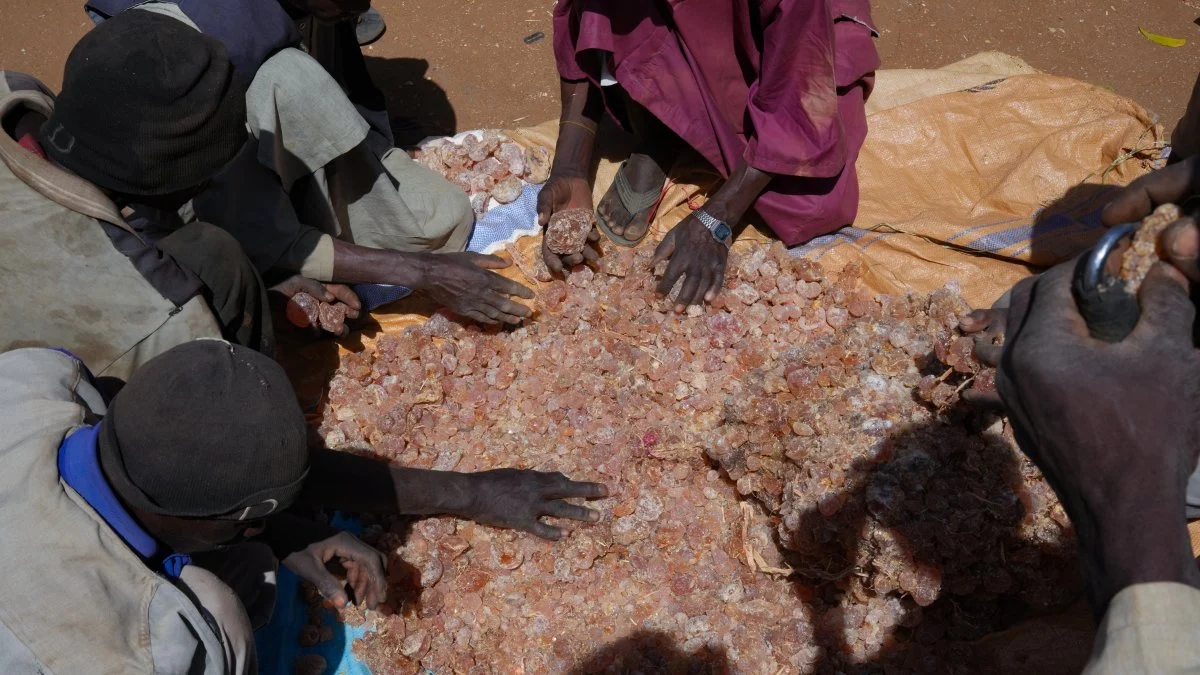
An OHCHR report highlighted the trade in gum arabic, an essential ingredient used in a broad range of products, from soft drinks and cosmetics to pharmaceuticals.
Before the fighting began, Sudan supplied 70-80% of the world’s crude gum arabic exports.
While its export value is relatively modest compared with other commodities, gum arabic provides income for millions of Sudanese and remains among the country’s most important exports for international markets.
According to the report, many people who rely on the sector have endured looting, extortion, arbitrary detention and threats, particularly from the warring parties and their allies.
In May 2025, the RSF reportedly looted the Gum Arabic Exchange, its warehouses and part of the local market in el-Nuhud in West Kordofan state, when stocks were full and prepared for export.
The incident dealt a severe blow to local commerce and livelihoods, the report said.
OHCHR found that the conflict and the resulting fragmentation of Sudan have transformed the routes through which gum arabic is traded.
Supplies originating in areas held by the armed forces are transported toward Port Sudan for export. Meanwhile, substantial quantities from RSF-controlled territory have been diverted to neighboring countries through cross-border smuggling networks.
Once across the border, the commodity may be processed and sold as locally produced, making its true origin difficult to establish, the report said.
Türk, the U.N. high commissioner for human rights, called on governments and businesses connected to Sudanese commodity markets, including the gum arabic trade, to ensure their activities neither finance the conflict nor contribute to human rights abuses.
He also urged countries to improve accountability, traceability and regulatory oversight while upholding human rights.
“Companies cannot continue business as usual when sourcing from conflict-affected value chains,” Türk said.
The Axadle Times Newsletter
Stay informed about the latest developments in Turkey,
its region and around the world.
SIGN ME UP
You may unsubscribe at any time. By registering, you agree to our Terms of Use and Privacy Policy.
This site is protected by reCAPTCHA, and the Google Privacy Policy and Terms of Service apply.