
A deadly act of protest unfolded outside the United Nations headquarters in New York last night, where a man set himself on fire and later died, according to police. Activists and media reports identified him as a campaigner for Tibetan independence.
The New York Police Department said that “at 18.32 (23.32 Irish time) NYPD received a call … a male set himself on fire at First Avenue and 42nd Street. He was pronounced dead at Bellevue Hospital. Investigations ongoing.”
A spokesperson for United Nations Secretary-General Antonio Guterres said in a statement: “We are saddened by this tragic and horrific incident, and offer our condolences to his family.”
US media outlets and a pro-Tibet activist identified the man as Lobga Rangzen, a supporter of the Tibetan cause, although investigators did not confirm the claim.
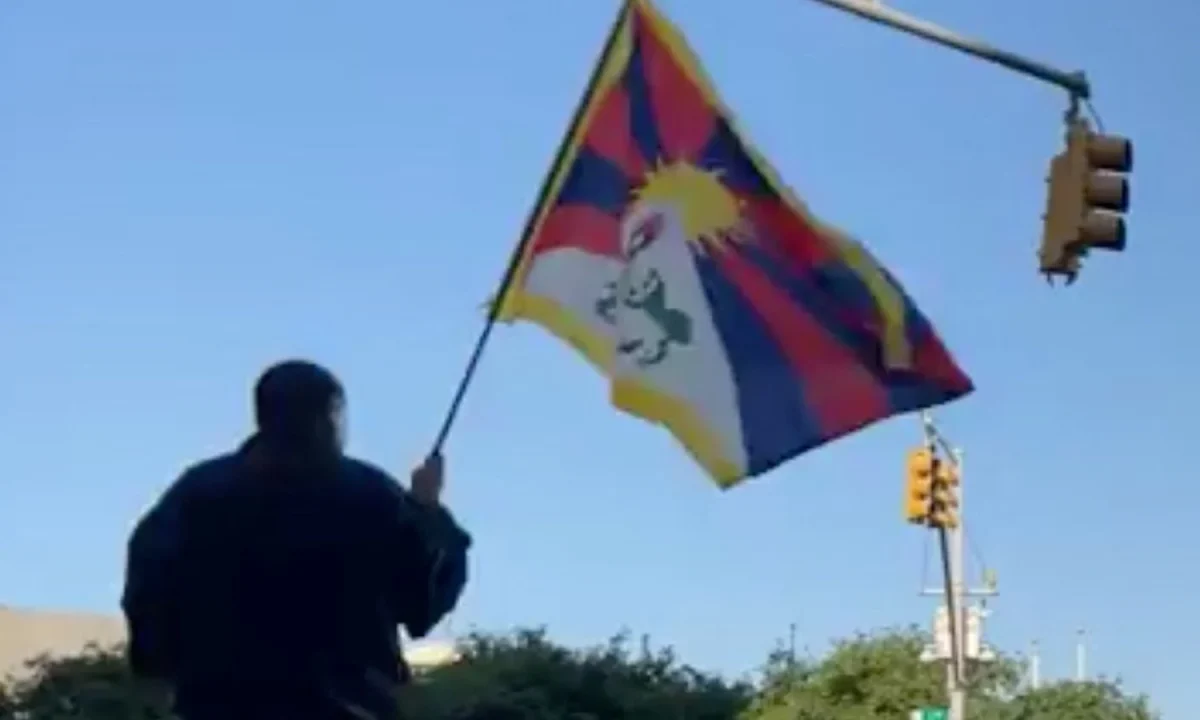
Rangzen worked as an Uber driver and arrived at the scene carrying a Tibetan flag, local news site amNewYork reported.
The outlet cited fellow Uber driver Lobsang Paljor, who said he knew Rangzen through gatherings within New York’s Tibetan community.
Mr Paljor told the news website that Mr Rangzen “was enraged by the restrictions the Chinese government had placed on his countrymen.”
Tencho Gyatso, President of the International Campaign for Tibet, said in a statement: “Lobga was a tireless advocate for Tibet who devoted himself to peacefully raising awareness of the human rights crisis in Tibet.”
Ms Gyatso said Mr Rangzen had spoken out forcefully against China’s new ‘Law on Promoting Ethnic Unity and Progress’, which Beijing says is intended to build a “shared” national identity among ethnic groups.
Campaigners abroad say the measure will further erode the rights of ethnic minorities, including Uyghurs and Tibetans, groups Beijing has been accused of persecuting.
The UN did not return a request for comment.
China sent troops into Tibet in 1950, asserting control over the vast high-altitude plateau, which it describes as an inseparable part of the country.
The Dalai Lama, the 90-year-old Tibetan spiritual leader, has lived in India since 1959, when he fled Lhasa after Chinese forces crushed an uprising there.
The Dalai Lama’s long-standing ‘Middle Way’ policy calls for autonomy and a “resolution to the Sino-Tibet conflict through non-violence, dialog and mutual benefit”.