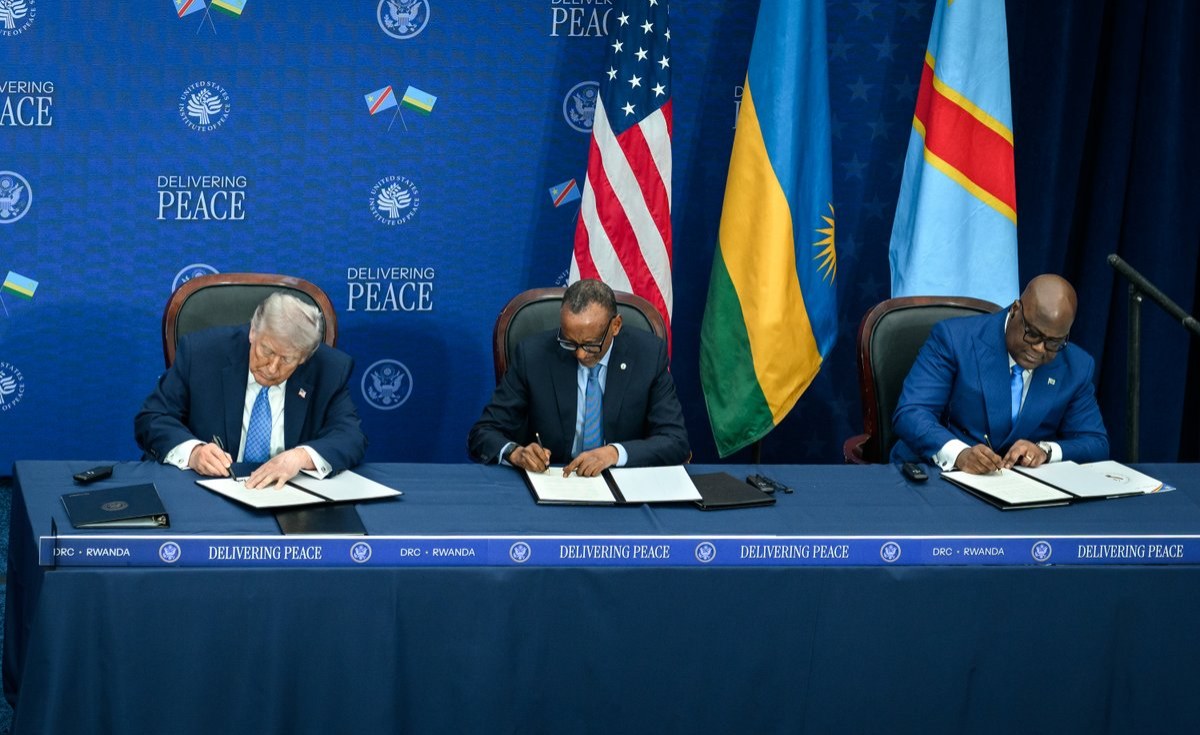
In the wake of M23 rebels backed by Rwanda seizing North and South Kivu — the provincial capitals of eastern DR Congo — in early 2025, U.S. President Donald Trump moved to jump-start stalled diplomacy, pitching a “peace for minerals” initiative designed to protect U.S. interests in the region’s resource-laden east.
Two accords followed in June and December, laying out a ceasefire and an economic-integration framework between Congo and Rwanda, including provisions for Rwandan troops to leave Congolese territory. Despite those commitments, Rwanda has remained deeply enmeshed by helping the armed group bolster its ranks, according to Human Rights Watch executive director Philippe Bolopion and senior researcher Clémentine de Montjoye.
The researchers wrote that even as Rwandan officials traveled to Washington to pursue agreements on peace, security, and minerals, “M23 forces were forcibly rounding up thousands of captured Congolese soldiers and civilians, including police, civil servants, teachers and students — some as young as 12 — and sending them for training and indoctrination at military camps.”
They called on the U.S. government to warn Rwandan President Paul Kagame that any further civilian suffering would trigger additional sanctions.