The United States is taking a firmer stance in combating the Ebola crisis in the Democratic Republic of Congo by supplying experimental antibody treatments for clinical trials. This represents a significant pivot from its previous policy, which restricted these treatments to Americans at high exposure risk.
Central to this strategy is MBP134, a monoclonal antibody therapy created by Mapp Biopharmaceutical. With concerns mounting that the outbreak could worsen without swift action, the U.S. Department of Health and Human Services announced that these doses will be available under compassionate use in Congo. Simultaneously, they aim to collect critical clinical trial data to aid future regulatory approval.
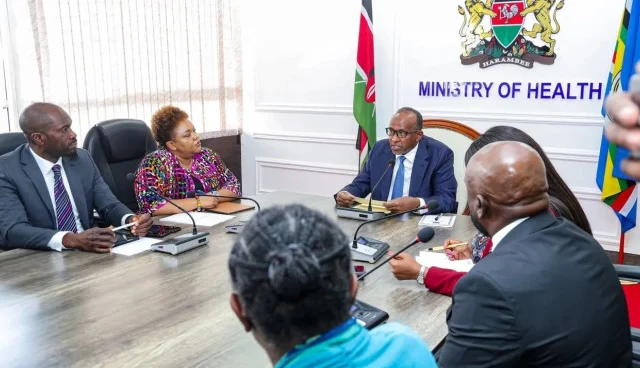
While officials have not specified the number of doses to be delivered, this marks the first direct involvement by the U.S. in supporting Ebola-related clinical trials abroad, a step away from prioritizing its domestic biosecurity concerns. This change follows ongoing tensions between national and international public health responsibilities.
The outbreak, primarily driven by the Bundibugyo strain of Ebola, has become one of the largest recorded. Official reports indicate 1,094 confirmed cases and 277 deaths in Congo, with cases also reported in Uganda. Limited surveillance in remote or unstable regions suggests that the actual numbers could be higher.
Unlike the Zaire strain, Bundibugyo currently lacks an approved vaccine or specific treatment, putting pressure on experimental solutions like MBP134 now being trialed in the field.
The World Health Organization (WHO) has confirmed that MBP134 and other investigational therapies are en route to impacted regions. The WHO, in collaboration with local and international partners, is overseeing the logistics of these trials, which will soon begin enrolling patients in centers across Congo and Uganda.
The clinical trials will assess MBP134 both independently and alongside antiviral drugs such as remdesivir (known as Veklury), a treatment from Gilead Sciences that gained prominence during the COVID-19 pandemic. Another antiviral, obeldesivir, is being studied as a preventative measure for those exposed to the virus.
The trial initiative, backed by the WHO and researchers from the University of Oxford, involves cooperation with Congolese and Ugandan health authorities. Simultaneous trials of other antivirals are being coordinated with help from African and international agencies, including the Africa Centres for Disease Control and Prevention and European research entities.
Protocols for these trials are under review by regulators in Congo and Uganda. Although earlier studies suggest these drugs are generally safe, their effectiveness against the Bundibugyo strain remains to be proven.
Vaccine development is progressing more slowly. Promising candidates are being developed by groups such as the Coalition for Epidemic Preparedness Innovations (CEPI), with contributors including the University of Oxford, the Serum Institute of India, and Moderna. Initial trials could commence in the following months in non-outbreak countries like the United Kingdom and potentially Uganda.
CEPI has indicated that while the foundation for early trials exists, challenges remain for later-stage studies and widespread distribution plans.
Despite the urgent situation, health authorities emphasize that all new interventions must successfully navigate clinical trials before reaching broader use, even as demand for faster access increases in affected areas.
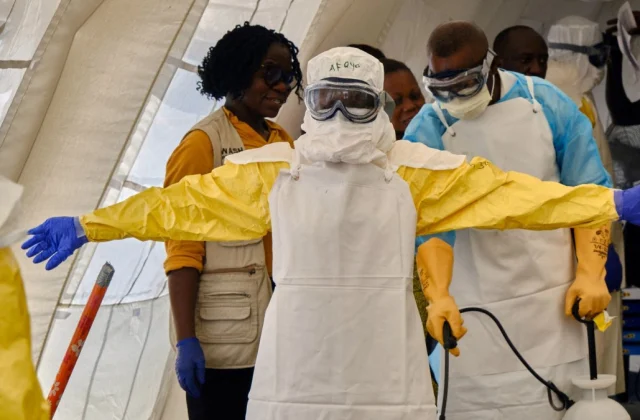
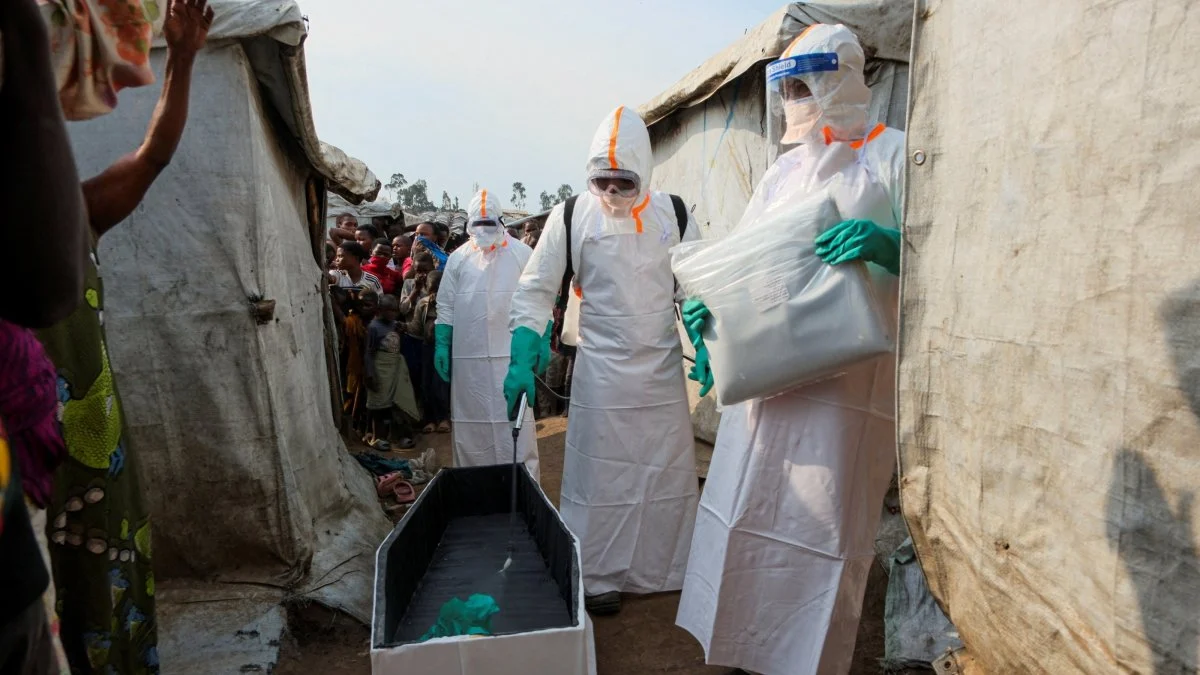
Efforts to control the outbreak are hindered by numerous challenges. The epidemic is concentrated in eastern Congo, where security issues, fragile healthcare infrastructure, and distrust of officials make monitoring and treating the disease difficult.
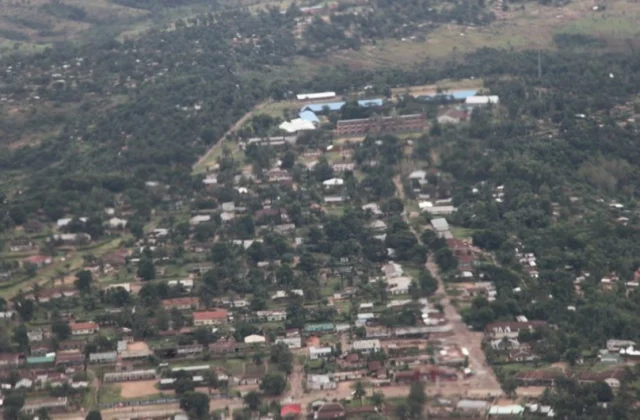
Mongbwalu in Ituri province, a region rich in gold mining, is among the hardest-hit areas. The transient nature of mining work compounds the difficulty of contact tracing, while crowded conditions heighten the threat of transmission.
Miners, driven by economic needs, often continue working despite the infection risk, acknowledging the threat posed by close quarters in pits and processing sites.
The epidemic has spread to 17 provinces since its detection in May after mysterious fatalities in Mongbwalu. It now ranks as the third-largest Ebola outbreak in history.
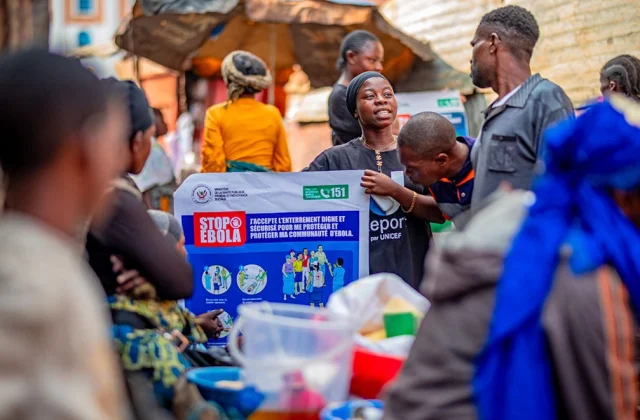
Aid organizations warn that distrust in healthcare systems, coupled with reliance on traditional healers in some communities, hampers prompt diagnosis and treatment. Safe burial teams and contact tracers operate under challenging circumstances, often in zones affected by persistent armed conflict.