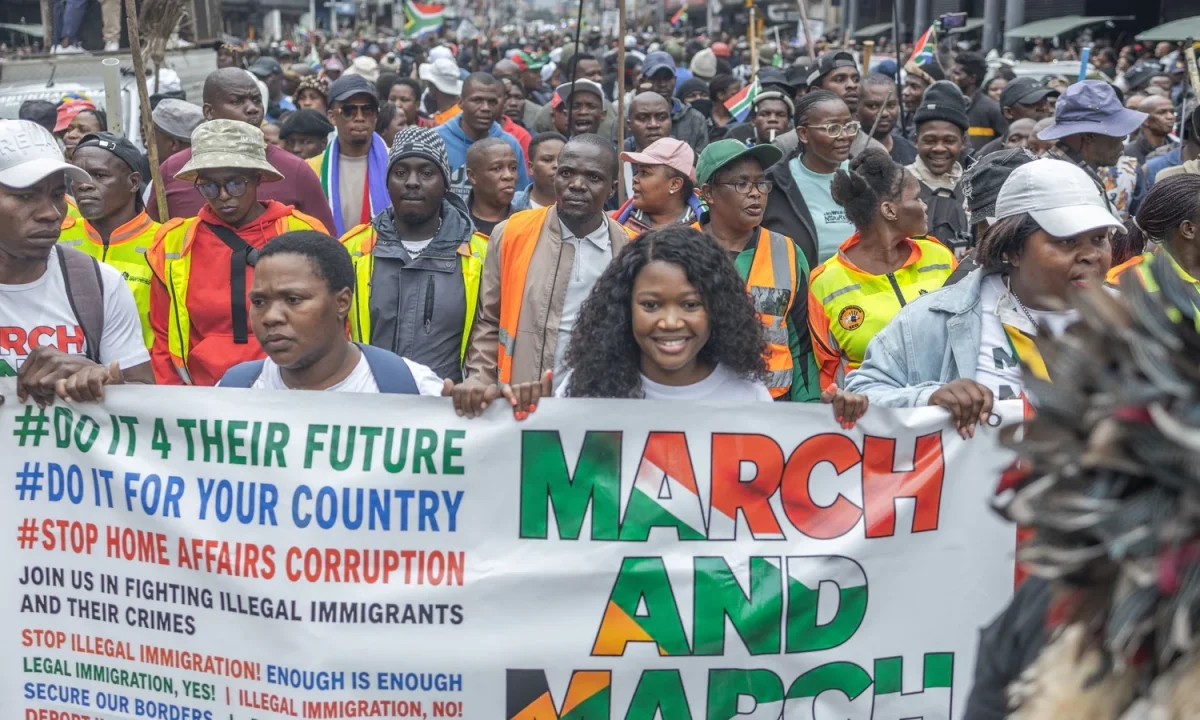
Waving flags and brandishing wooden sticks, anti-immigrant protesters fanned out across South African cities on the day they had set as a deadline for undocumented migrants to leave, deepening a crisis that has already turned deadly and, in some places, spilled into violence and looting.
Before today’s “deadline” arrived, thousands of African foreign nationals had already fled South Africa. Shops shut their doors, and many foreign workers stayed home, bracing for more unrest after months of turmoil that has drawn international condemnation.
At least four people have been killed, while thousands of foreigners have been forced from their homes and watched businesses and property vandalised.
The head of the anti-migrant campaign said weekly marches would continue until its demands are achieved.
There were scattered reports of looting, stone-throwing and clashes
In one city demonstration, Silindile Xaba, 31, stood among those shouting anti-migrant slogans.
“People are not working, the jobs are being taken by illegal foreigners. It’s not fair,” she said. Politicians have been accused of tapping into the xenophobia as they seek support ahead of local elections due by November.
Violence against migrants
For many migrants, the deadline was understood as a direct physical threat, and while numerous marches passed without incident, there were flashpoints of violence in several areas.
Police said some looters had been arrested but gave no further details.
In Thembisa, a northern suburb of Johannesburg, rioters hurled stones at police and people believed to be migrants, while sporadic gunfire rang out near the central business district.
The Daily Maverick reported that police deployed tactical vehicles and fired shots in Benoni, east of Johannesburg, after officers were threatened by 500 protesters.
The protests have been organised by anti-migration vigilante groups
A police spokesperson did not immediately respond to a request for comment. In Soweto, protesters looted shacks belonging to foreign nationals, national broadcaster SABC reported, adding that police had used rubber bullets to break up marches in Pietermaritzburg, near Durban.
In anti-migrant attacks that have flared intermittently in South Africa since 2008, attackers often make little distinction between people who entered the country legally and those who did not.
March and March says it cannot be blamed for spontaneous outbursts of anger by South Africans.
“Unfortunately, we can’t be in every single community telling them … how to behave,” Ms Ngobese told Reuters in an interview two weeks ago.
Witnesses said landlords in Durban and Johannesburg had been illegally evicting foreign tenants ahead of the march, fearing their buildings would be vandalised. In Durban, about 100 Congolese were sleeping on the streets, according to a Reuters reporter, and their leader said they had been driven out.
The marches attracted many thousands of mostly poor or unemployed South Africans who hold foreign nationals responsible for their hardship.
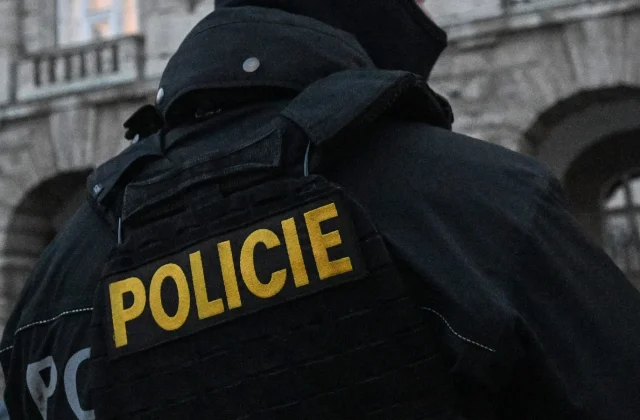
Thousands of police were deployed, and the military was on standby, a military spokesperson said.
The surge in anti-immigrant feeling, along with what critics describe as police failure to protect victims, has damaged South Africa’s post-Nelson Mandela image as a champion of human rights and strained relations with other African nations.
Immigrants are accused of taking jobs, fuelling crime and placing pressure on public services — claims that social scientists say are not backed by evidence.
Police were deployed in large numbers for the nationwide protests
Three decades after apartheid ended, South Africa remains deeply unequal, and one in three people is out of work. Even so, it is still Africa’s largest economy and continues to attract migrants.
According to StatsSA, the immigrant population is about 3 million, or roughly 4% of the total — a comparatively low share by global standards.
Vigilantes arrested, political rhetoric hardens
Deputy National Commissioner for Policing Tebello Mosikili said 103 criminal cases had been opened against anti-foreigner vigilantes since March.
Some politicians have mirrored the concerns of protesters even as they denounce the violence.
“South Africans’ … deep concerns about illegal immigration… are real and they deserve to be heard,” President Cyril Ramaphosa said in a statement yesterday.
“But the right to protest … does not allow people to threaten or intimidate others, or to engage in acts of vandalism or violence.”
South African officials point out that Western countries are grappling with similar tensions over immigration, often stoked by divisive politics and misinformation.