For years, Australia stood apart as the lone continent untouched by the H5 strain of bird flu. That changed when scientists detected the virus in the country for the first time, a development Agriculture Minister Julie Collins said means the highly contagious variant has now reached every continent.
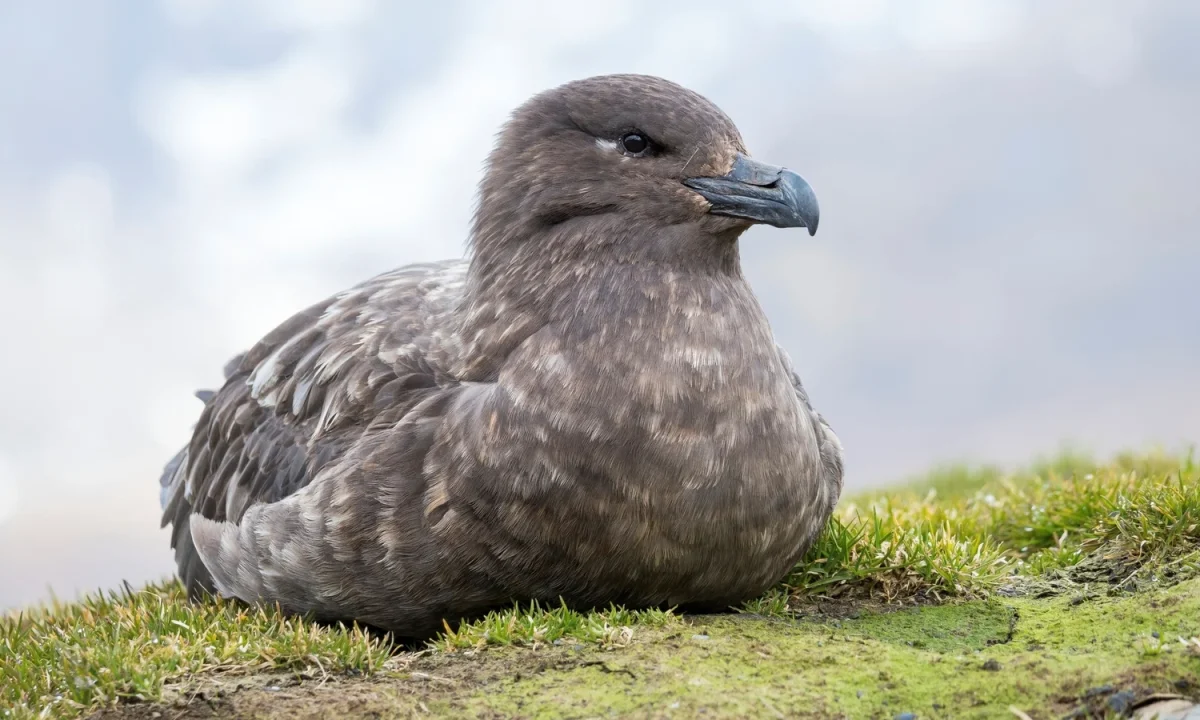
Collins told a press conference the virus was identified in a migratory seabird, a brown skua, in remote Western Australia, with the finding confirmed by the national science agency.
She said samples taken from another sick bird, a giant petrel, had also returned a suspected positive result.
Until now, Australia had been the only continent without a recorded detection of the H5 strain, which can tear through poultry operations and wild bird populations alike.
“I can confirm there is still no evidence of any mass mortalities at this time, nor is there any evidence of infection in any poultry,” she said.
Animal health and agriculture officials have already convened an emergency meeting to weigh a national response.
“We all knew we couldn’t be bird flu-free forever,” Collins added.
Across the world, the H5 strain has triggered severe disease and high death rates in poultry, wild birds and infected mammals.
Prime Minister Anthony Albanese said the discovery was troubling and that his government would move to contain the spread of the disease.
“This is something that has happened through migratory birds, and has happened by definition around the world, and this is why we are preparing for this,” he said.
Among wild birds, the H5 strain has hit waterfowl, shorebirds, seabirds and birds of prey especially hard.
Marine mammals have also been affected, alongside detections in other animals including cats, goats, alpacas and pigs.
On Thursday, Australian scientists said the H5 bird flu strain had killed more than 13,000 elephant seal pups after sweeping through a breeding colony on a sub-Antarctic volcanic island, one of Australia’s external territories.