The Democratic Republic of Congo is grappling with another Ebola outbreak, this time under especially challenging conditions.
In the country’s conflict-stricken east, instability, displaced populations, inadequate healthcare systems, and the lack of an effective vaccine complicate efforts to control the virus’s spread.
Ebola, a highly contagious virus transmitted through close contact, causes severe hemorrhagic fever and has claimed over 15,000 lives in Africa over the last 50 years. Experts warn this outbreak may pose one of the most formidable public health challenges the region has encountered in recent memory.
Unnoticed Spread Before Detection
Officially declared on May 15, Congo’s 17th Ebola outbreak had likely been advancing for weeks or even months prior to its recognition. Initial signs emerged in early May when the World Health Organization received reports of inexplicable illnesses in Mongbwalu, a mining town. The disease’s lethality quickly became apparent as four healthcare workers succumbed, intensifying fears of a serious outbreak.
Witnesses in Ituri province, the outbreak’s center, indicated unexplained deaths had been occurring since March, with rumors of an unidentified illness circulating before Ebola was identified.
Early detection was delayed by the virus’s symptoms, which mirror diseases like malaria and typhoid fever, leading to misdiagnoses and unrestrained spread. Laboratory limitations compounded the issue; testing centers in Bunia, equipped to detect the more common Zaire strain of Ebola, initially failed to recognize the Bundibugyo strain now plaguing the region.
Before confirmation, 246 suspected cases and 80 deaths were noted in Ituri. The crisis swiftly extended beyond Congo. On the outbreak’s declaration day, Uganda reported a Congolese traveler’s death linked to the virus, sparking fears of cross-border transmission. Though Uganda reported few cases, it responded by closing borders and heightening surveillance.
The outbreak’s rapid emergence prompted the World Health Organization to declare a global health emergency, cautioning that without aggressive containment, it could linger for months. The Africa Centres for Disease Control and Prevention warned that up to 10 countries might be at risk due to regional mobility.
Lack of a Vaccine
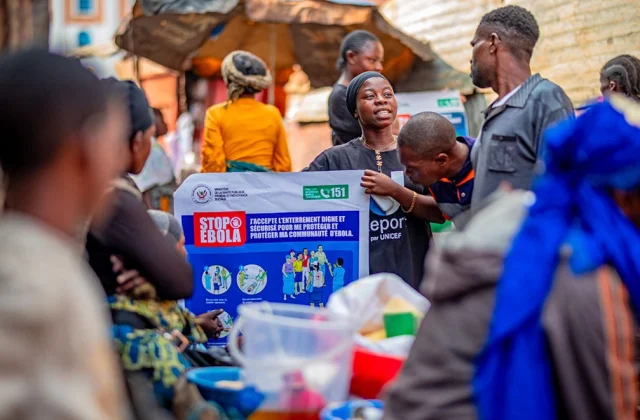
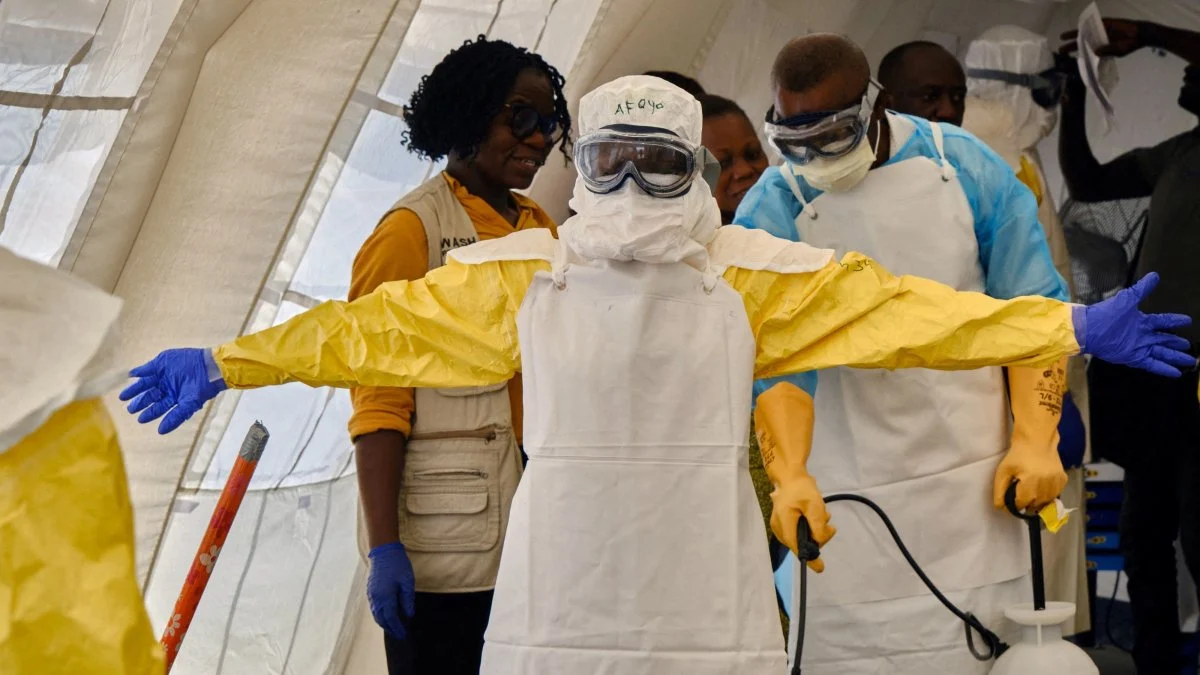
A concerning aspect of the outbreak is the Bundibugyo strain involved. No approved vaccine or specific treatment exists for this strain, depriving health workers of an essential tool used in past outbreaks. Vaccines from 2018-2019 targeted the Zaire strain, offering no defense against Bundibugyo. Consequently, medical teams rely on traditional containment strategies like isolation, contact tracing, and community education—efforts that require rapid deployment, public cooperation, and access, all challenging in eastern Congo.
The illness complicates matters further; its early stages resemble common tropical diseases, delaying diagnosis. Veteran virologist Jean-Jacques Muyembe, involved in Ebola’s 1976 discovery, admitted the atypical presentation baffled medical professionals initially.
However, there is cautious optimism. Africa CDC suggests a Bundibugyo-specific vaccine could be available this year, with trials underway. Until then, traditional outbreak measures remain the primary defense.
Violence and Instability
The outbreak unfolds in one of Congo’s most volatile regions. Ituri, plagued by militia and extremist violence, witnesses frequent attacks that displace thousands into crowded areas where diseases thrive. This instability severely hampers medical operations. Health workers face difficulty reaching remote areas, while aid organizations encounter security and logistical obstacles.
The mining industry’s mobility further complicates tracing infections. Meanwhile, local healthcare remains under-resourced, with hospitals lacking essential protective gear. In Bunia, patients with hemorrhagic symptoms often reach hospitals via motorcycle taxis, heightening transmission risks.
Flight suspensions to and from Bunia aimed to curb spread but also delayed medical aid. Aid groups like Doctors Without Borders criticized the lagging, disjointed response, warning that coordination lapses could jeopardize containment.
Enduring Distrust
Public mistrust compounds the logistical hurdles. Years of conflict and thin government presence erode trust in official health advice. Some communities remain skeptical, opting for traditional medicine over state guidance.
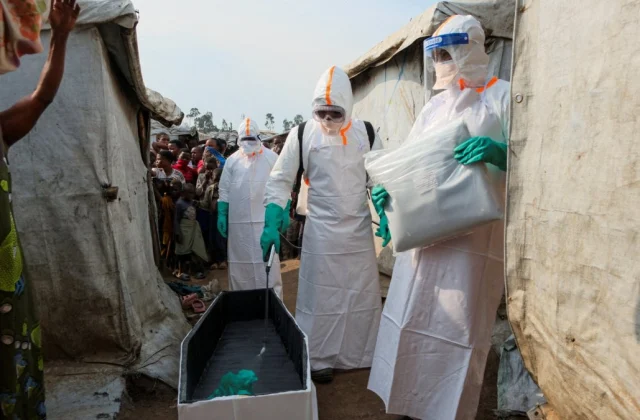
Resistance from communities makes outreach and surveillance arduous. Reports of families removing Ebola victims’ bodies before proper burials significantly heighten infection risks, as the virus remains infectious post-mortem.
Experts suspect the outbreak’s true scope may be underestimated. Limited testing and inaccessible areas raise concerns of undetected cases. With infections spread across provinces and linked cases in Uganda, regional authorities implemented border closures and travel restrictions to contain the virus.
Hope Amid Challenges
Despite the odds, health officials maintain that the outbreak can still be controlled. Congo’s government has countered alarmist projections, asserting that response efforts are underway and manageable.
Public health professionals agree that successful containment hinges on building trust, enhancing surveillance, bolstering healthcare, and sustaining international support. For now, conventional public health measures are the main line of defense against this relentless virus exploiting regional vulnerabilities.
World Health Organization Director-General Tedros Adhanom Ghebreyesus remains cautiously hopeful. With continued cooperation among governments, health organizations, and local communities, there’s confidence the outbreak can be eventually outmaneuvered.