
Hopes for a broader breakthrough between Iran and the United States remained out of reach after a new round of indirect talks ended with little evidence of movement toward a durable peace, as negotiators focused largely on matters both sides had already described as settled under an interim agreement announced two weeks ago.
People familiar with the talks said delegations from Tehran and Washington spent two days in Doha working through maritime traffic in the Strait of Hormuz and the release of frozen Iranian funds, two central elements of the initial accord.
The next session will be held after funeral processions for Iran’s late Supreme Leader Ayatollah Ali Khamenei, who is scheduled to be buried on 9 July, according to Qatar’s Foreign Ministry.
The ministry said the Doha meetings delivered “positive progress” on issues tied to the memorandum that brought the June war to a halt and were “building on the outcomes” of a summit in Switzerland, its spokesperson wrote in a post on X.
“The denuclearisation of Iran is moving along well,” he told reporters.
“They’ve had very good meetings, and we’ll see.”
Still, the sources said Iran’s nuclear programme was not discussed in Doha, describing the sessions instead as narrowly technical.
US Vice President JD Vance said that issue would come later.
“Obviously, we’re worried about the nuclear issue, we’re going to start talking about that,” he told reporters.
US President Donald Trump said the two sides were making progress
Iranian and US negotiators met separately with mediators from Qatar and Pakistan, Qatar’s foreign ministry said.
Jared Kushner, Mr Trump’s son-in-law, and senior US envoy Steve Witkoff, who had been sent to the region for what the White House described as “high-level” talks, were not present at the meetings, according to a source who spoke on condition of anonymity.
Kazem Gharibabadi, Iran’s deputy foreign minister and the head of its delegation, said the talks had ended.
Neither side indicated whether the discussions had narrowed any of the gaps between them.
Who controls the Strait of Hormuz
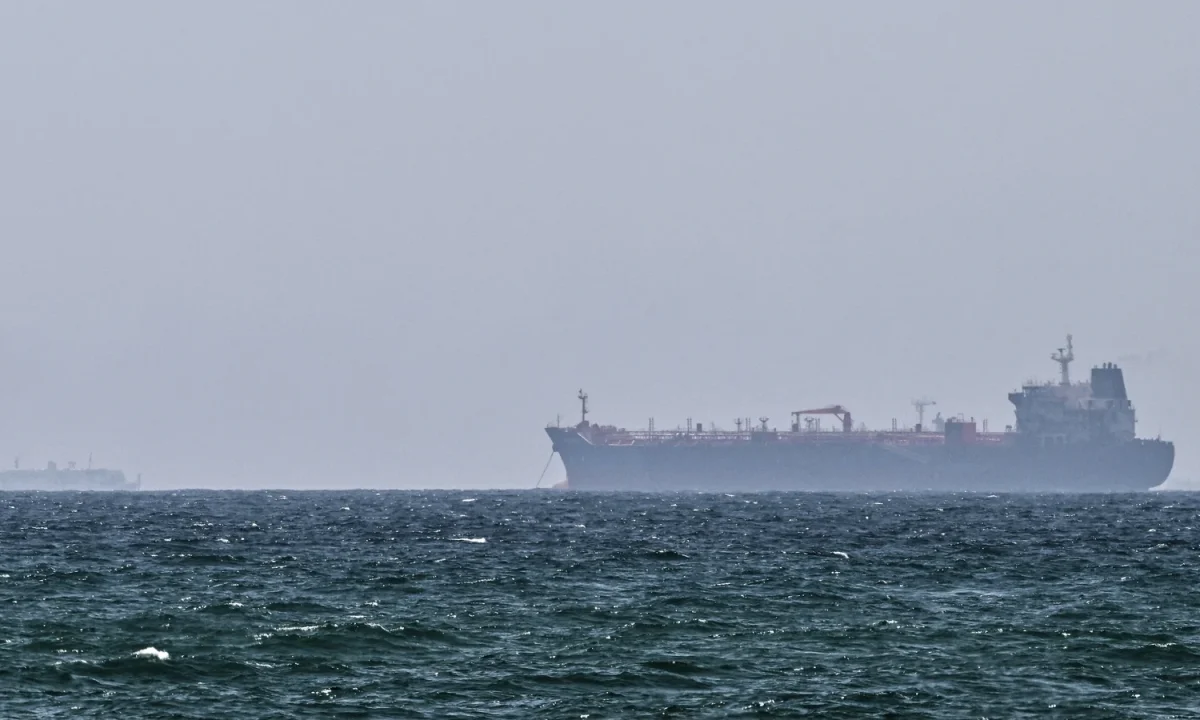
Under the initial deal, Iran and the United States are to allow commercial shipping to resume through the Strait of Hormuz, the narrow passage that carried one-fifth of global oil and liquid natural gas trade before the war.
While some traffic has resumed, uncertainty still surrounds the waterway, and the two countries traded strikes last weekend after an Iranian attack on a cargo ship.
Iran is intent on securing international recognition of its authority over the strait, even if force is required, two senior Iranian sources said. Tehran has also repeatedly stated that it plans to begin charging tolls on shipping in mid-August, once a toll-free period set out in the initial agreement ends.
The next meeting will take place after funeral processions for Ayatollah Ali Khamenei
Mr Trump’s remarks also appeared to lower the temperature around fears of a renewed full-scale conflict with Iran.
“I think they’ve come a long way,” he said.
After Mr Trump’s comments, oil prices dropped to their lowest point in four months, and analysts lowered their price forecasts for the first time since the war began.
At the same time, Iranian state media reported yesterday that a foreign container ship had run aground in shallow waters outside the route designated for shipping by Iranian authorities.
“Hormuz continues to reopen but it’s patchy, unpredictable, and not fully transparent,” said Vandana Hari, founder of oil market analysis provider Vanda Insights.
Several European countries have offered assistance to clear mines from the Strait, but Germany’s defence minister, Boris Pistorius, said he did not expect his country to take part, pointing to Iran’s refusal to cooperate with other nations.