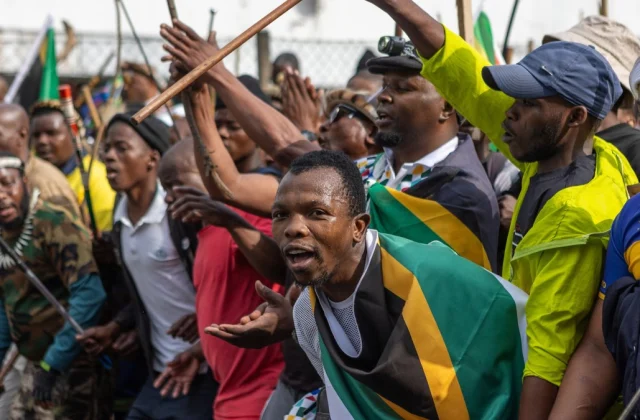
Amid a tense backdrop of protests, violence, and political pressure, thousands of African migrants are fleeing South Africa as they face an impending deadline from activist groups to leave the country. This wave of departures unfolds as anti-immigration demonstrations intensify across major cities, with groups calling for undocumented migrants to exit by June 30.
These groups have been actively staging marches, conducting door-to-door campaigns, and mobilizing online to demand stricter border controls and mass deportations. They argue that these measures are crucial to tackle issues like unemployment and crime, as well as to alleviate strain on public services.
A threat of a nationwide shutdown looms if the government does not comply by the deadline, prompting heightened security measures and police vigilance across several provinces.
Violence and a surge in displacement
The political unrest has escalated into violence in certain areas, leading to investigations into attacks fueled by anti-migrant sentiments. Incidents include killings and arson targeting foreign nationals’ homes.
A particularly brutal event occurred on the coast where two Mozambican nationals were killed, and more than 50 homes were set ablaze in a migrant community. Similarly, a Malawian man was stoned to death during protests, raising serious concerns among humanitarian organizations.
These violent outbreaks have spurred an exodus, with thousands seeking refuge in temporary shelters or returning to their home countries in fear for their safety.
Camps under immense pressure
In Durban, the primary hub for displaced migrants, thousands of Malawians have found temporary refuge in shelters such as Sherwood Park. Here, they wait for transportation arranged by their government or private sponsors.
Conditions in these shelters have rapidly deteriorated, with overcrowding forcing families to sleep in tents or exposed to the cold night air. Poor sanitation conditions have resulted in illness outbreaks, straining the efforts of aid groups and religious organizations striving to meet the demand for basic necessities.
Accounts from the camps paint a grim picture: long lines for toilets, scarcity of clean water, and palpable frustration as people await return transport thousands of kilometers away. Authorities report fluctuating but substantial camp populations, peaking at around 10,000 individuals.
Personal struggles of departing migrants
Facing the unknown, migrants like Hasani Amadi, who spent a decade working in Durban’s manufacturing sector, are being pushed out by threats of violence and intimidation. Many share similar stories of eviction under pressure from landlords concerned about potential attacks on their properties.
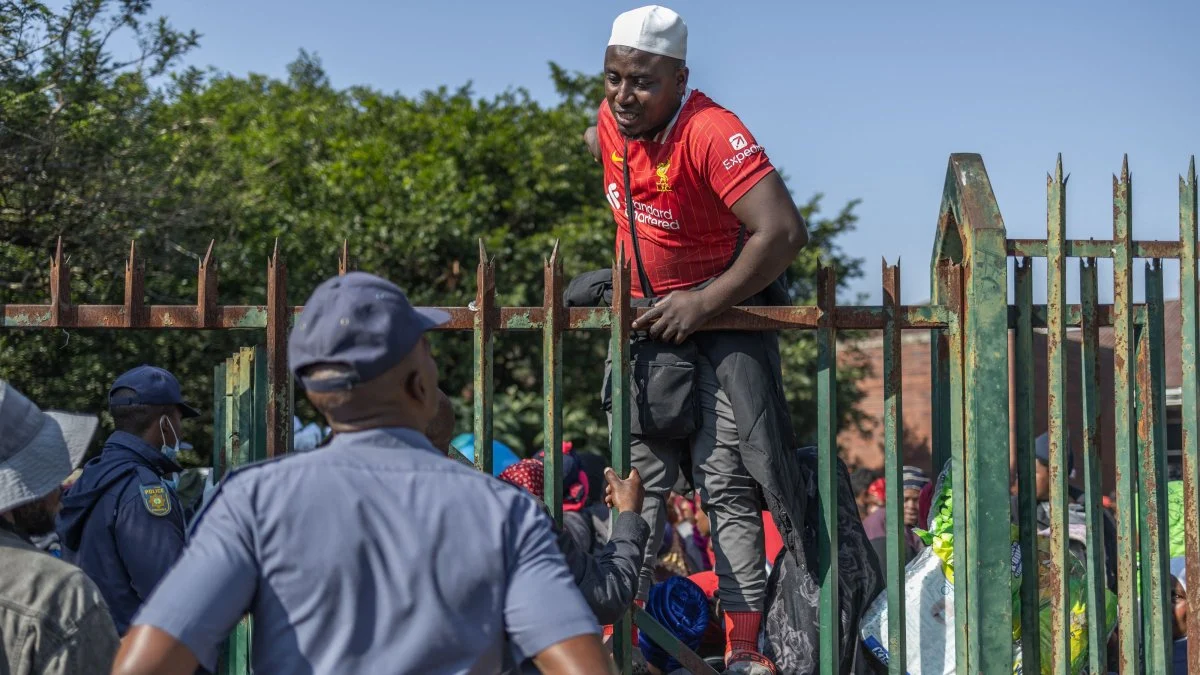
One Malawian, with over ten years as a tiler in South Africa, prepares to leave with just a single bag, leaving behind years of financial stability. Another migrant, eight months pregnant, described chaos at a transit point where police employed tear gas and rubber bullets. Despite completing repatriation paperwork, she remains undeterred in her resolve to leave the precarious conditions behind.
Government and international responses
President Cyril Ramaphosa has addressed the nation in an attempt to defuse tensions, highlighting that some factions are politically exploiting the migration issue. While he refuted claims linking undocumented migration to economic woes, he acknowledged lapses in border security.
Authorities are closely monitoring protest activities and facilitating the voluntary return of migrants, alongside deportations where necessary.
Internationally, United Nations Secretary-General Antonio Guterres has voiced concern over the reports of xenophobic violence, urging both restraint and protection for those impacted.
Regional implications and evacuations
Across the continent, the crisis has prompted diplomatic actions. Nations like Nigeria, Ghana, Mozambique, and Malawi have organized evacuations, managing to return nearly 2,000 citizens by air, with thousands more making their way back by road.
Criticism has emerged from officials in several countries, pointing to what they perceive as an escalating xenophobic environment in South Africa’s informal settlements, where many migrants live.
A recurring cycle of unrest
South Africa’s history with xenophobic violence stretches back nearly two decades, with the 2008 riots leaving over 60 dead and displacing tens of thousands. Such flare-ups continue sporadically, often coinciding with economic downturns and job market competition within urban townships.
Despite its economic status, South Africa’s deep-seated inequality continues to stoke resentment toward foreign workers prevalent in informal labor sectors.