Britain is bracing for yet another change at the top after Prime Minister Keir Starmer said he would step down, clearing the way for what many expect to be a smooth transfer of power to frontrunner Andy Burnham — and potentially delivering the country’s seventh leader in just 10 years.
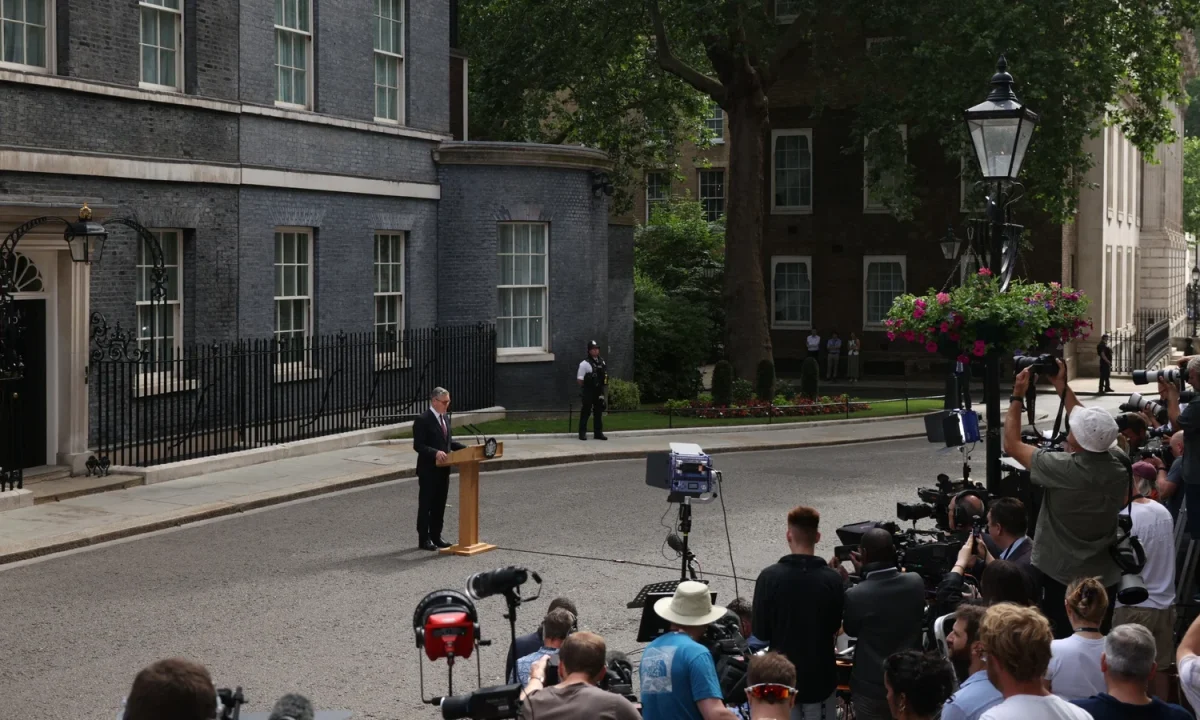
In a speech charged with emotion, Mr Starmer said he had listened to voices inside his governing Labour Party and concluded he was no longer the right person to take it into the next national election, scheduled for 2029.
The announcement, delivered outside his Downing Street office and residence in London, sets up the possibility of a fresh leadership battle — or, as many in Labour would prefer, a swift and uncontested ascent for former Greater Manchester mayor Mr Burnham.
Mr Burnham, 56 and a veteran of British politics, moved quickly to declare on X that he would stand in any leadership contest. He also secured backing from former health minister Wes Streeting, who had been widely viewed as a possible challenger.
Andy Burnham says he will seek the Labour leadership
Mr Starmer said he would ask Labour’s organising committee to draw up a timetable for choosing his successor. Nominations would open on 9 July and close by mid-July, with a new leader in place by September if the contest goes ahead. If no rival emerges, a successor could take office by mid-July.
“The question my party is asking now is whether I am best placed to lead us into the next general election. I have heard the answer from my parliamentary party to that question and I accept that answer with good grace,” he said.
After listing the achievements of his government during two years in power, the prime minister — often criticised by opponents for sounding stiff and overly rehearsed — became visibly emotional, his voice breaking as he thanked his family for standing by him.
“When I leave the biggest job in the country I will spend more time on the most important job – being the best husband I can to my fantastic wife Vic who has been a rock by my side through good times and bad, and being the best dad I can to my beautiful children who are my pride and my joy.”
Mr Starmer spent the weekend at Chequers, the prime minister’s country residence, with his wife Victoria as he weighed his future. As support ebbed away, he came to accept the political facts facing him.
The pressure on Mr Starmer had been mounting for months, but it intensified sharply on Friday when Mr Burnham won a parliamentary election in convincing fashion to return to Westminster, defeating a candidate from Nigel Farage’s Reform UK party, which has topped opinion polls for more than a year.
That win injected fresh hope into Labour ranks that Mr Burnham, widely regarded as a strong and natural communicator, could revive a party whose support has faded under Mr Starmer.
The pound strengthened against other currencies and British government bonds rallied after Mr Streeting’s endorsement, with investors appearing to welcome a clearer route to a Burnham premiership.
Even so, Labour’s hoped-for smooth transition carries obvious risks. Should other contenders enter the race, the party could be plunged into a bruising internal contest that paralyses government. Mr Streeting’s move seemed to lower that prospect, while fuelling speculation among some Labour figures that he had been promised a role by Mr Burnham.
Read more: Follow live updatesKeir Starmer: The downfall of Britain’s unpopular Prime MinisterWriting was on wall as Britain set for seventh leader in 10 years
Mr Burnham, who is expected in London today to take up the seat he has just won for Makerfield in northwestern England, has not yet outlined a detailed policy programme, and Reform leader Mr Farage wasted little time in demanding a national election.
“I’ve had enough of waiting around. Britain needs change – real change, not another washed-up has-been shoved into place by the uniparty,” Mr Farage said in a statement.
So far, Mr Burnham has said little beyond calling for fundamental change and arguing that the cost of living must come down. His positions on foreign policy, the economy and defence remain largely undefined.
Like Mr Starmer before him, he may discover that his freedom to act is narrow — boxed in by bond market investors resistant to more borrowing, and by an angry electorate convinced the country is no longer functioning as it should.
Britain already faces the highest borrowing costs among the Group of Seven wealthy nations, weighed down by heavy debt and interest payments, years of weak economic growth, difficulty cutting spending, and pressure to invest more in priorities such as defence.