A fragile diplomatic opening emerged on Monday as the United States and Iran agreed to a “roadmap” aimed at securing a final deal within 60 days, according to a joint statement released by mediators Pakistan and Qatar.
The opening round of negotiations between the two countries at Burgenstock, Switzerland, also produced an agreement to establish a “communication line” meant to prevent incidents in the Strait of Hormuz, Qatari and Pakistani mediators said.
The Qatari-owned resort in the Swiss mountains has become the setting for talks between Tehran and Washington focused on a much larger ambition: bringing the war in the Middle East to a permanent end.
The statement said both sides also endorsed a mechanism to halt the fighting in Lebanon and set up a communications channel designed to help safeguard commercial shipping through the disputed waterway.
Lebanon is also expected to cease military operations, the statement said.
Negotiators are due to remain at the table for the rest of the week.
‘Major progress’
In a post on X, Iran’s Foreign Minister Abbas Araghchi described the negotiations as having made “major progress”.
“Oil and petrochem exports are waived, blockade lifted, some frozen assets released, and major reconstruction & development plan launched for Iran.”
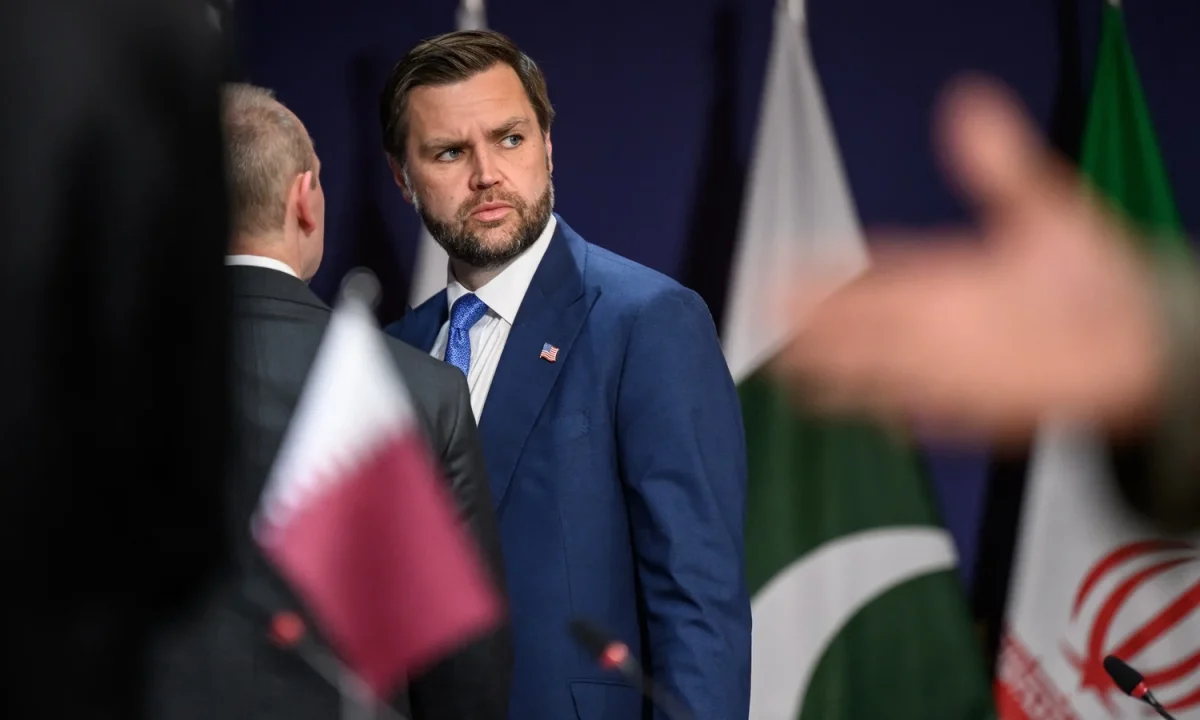
US Vice President JD Vance opened talks with Iranian officials on Sunday under the terms of a memorandum of understanding reached last week to prolong a shaky ceasefire from April by at least another 60 days.
The discussions stretched on until the early hours of today.
Iran’s Minister of Foreign Affairs Seyyed Abbas Araghchi (L) and Swiss Federal Council, Ignazio Cassis
Shortly before the talks formally got under way, Fox News reported that US President Donald Trump said he had warned Iranian officials: “you won’t have a country” if they tried to shut the strait again.
Fox News said Mr Trump also repeated an earlier threat that the US would take over the waterway and could impose a toll of its own.
Mr Trump said he backed last week’s memorandum of understanding to head off a global economic depression driven by surging oil prices after the strait’s closure.